250 Days at Sea: What Happened to the USS Abraham Lincoln and Its Crew
The carrier has been at sea for over 250 days, including combat ops in the Iran war, with attempted overboards, failing plumbing, and no relief date in sight.
How long has the USS Abraham Lincoln been at sea?
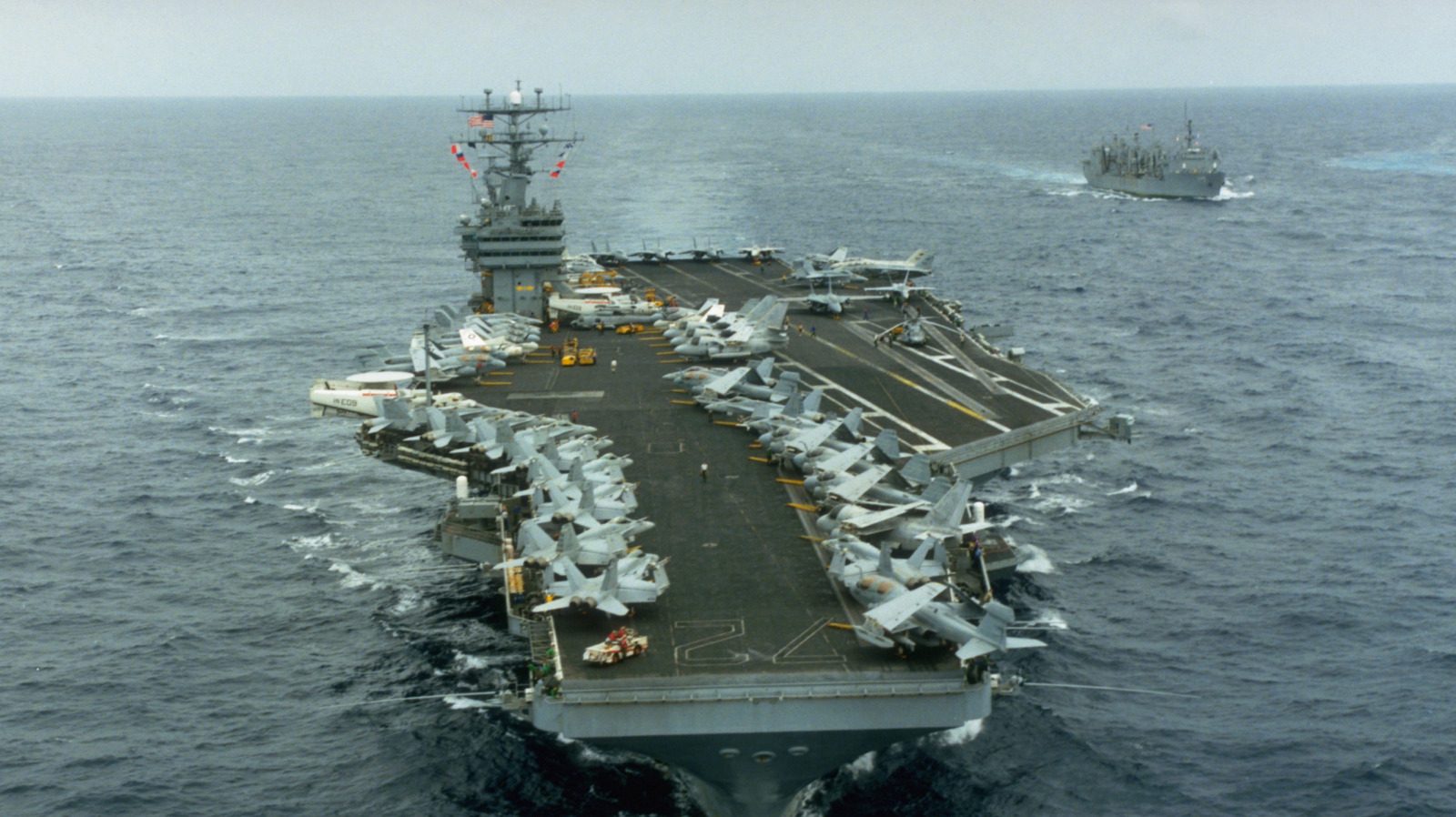
The Lincoln has been at sea for more than 250 days and counting — a record for any U.S. aircraft carrier, and it keeps growing. The ship left San Diego in November, originally slated for a routine deployment to the Pacific, but was redirected to the Persian Gulf to take part in the Iran war, where the crew has spent 40 days in combat operations. The previous record was 206 days, set by the USS Dwight D. Eisenhower in 2020; the Lincoln has extended that by more than two months, inside a combat zone. A carrier typically stops for shore leave every month or so, but the Lincoln has been in port a total of two days since November. The 5,000 sailors and Marines aboard have been working long hours without a true day off for nine months, since active duty doesn't pause for weekends.
What are the living conditions on the Lincoln?
Congressman Mike Levin (D-CA) described the physical state of the ship in blunt terms: moldy showers, broken toilets, laundry down for weeks, long stretches with no hot water. Meals came down to half a cup of rice and two tortillas, and the crew ran out of soap, deodorant, and toothpaste. "These men and women signed up to serve their country," Levin said. "The least their country owes them is hot water, a working toilet, and a real meal." He went on to say that Hegseth "cannot even manage that" and accused him of looking the crew's families in the eye and calling them liars. The conditions mean a sailor who finishes a shift still has to live with a shower stall covered in mold, a toilet that doesn't work, and laundry that hasn't run in weeks — the physical environment compounds the stress of the deployment itself.
What do we know about the suicide attempts and mental health crisis?
The Navy Times reported on a woman whose husband tried to jump overboard, worried that his declining performance had ruined his career. In another incident, a sailor tried to jump but was caught and pulled back by shipmates nearby. A mother told Stars and Stripes that her son and his shipmates "constantly think about jumping off the ship just for relief." The mother's account suggests the ideation isn't confined to one sailor in crisis — it has become a shared thought among the crew, men and women so worn down by the deployment that going over the side sounds like release. Two separate attempts have been publicly described, both involving sailors going over the rail, and in both cases it was other sailors, not officers or counselors, who intervened. The pattern points to a mental health emergency unfolding without a clear institutional response.
What did Navy officials tell the crew's families?
Acting Secretary of the Navy Hung Cao faced furious families at a town hall, where they unloaded months of frustration about the deployment. Officials reminded the families that the crew had access to onboard counselors and chaplains. Officials also claimed, per the Guardian, that there had not been a reported increase in suicidal ideation aboard the Lincoln. Given the multiple attempted overboards that family members have described publicly, that claim seems difficult to believe. The town hall appears to have done little to ease the frustration among families, who have watched the deployment stretch past every precedent and were given no specific answers about when it would end. The contrast between what the Navy said — the support is there, the numbers are fine — and what the families saw in their loved ones could not have been starker.
When will the Lincoln actually be relieved?
Officials confirmed the Lincoln will be relieved soon but declined to say when the replacement will arrive. That refusal to name a date has left the crew in an unsustainable position: they know the deployment will end, but they don't know if it's days away or months away, and they have no shore-based rotation to plan around. The question of why relief wasn't ordered before the deployment stretched past the previous record remains unanswered. For sailors and Marines who have been at sea for the better part of a year, a promise without a date is not a plan. The crew has been told to hold on, but not for how long, and every day of uncertainty compounds the pressure. The crew has been told relief is coming, but a promise of relief without a date does not answer the question that matters most: when does this end.
Why is there no confirmed Secretary of the Navy?
John Phelan left the post of Secretary of the Navy suddenly in April 2026, just after the war started, and President Trump has not nominated a formal replacement. The absence of a confirmed secretary at the top of the Navy during a wartime deployment that has broken every at-sea record has left the service without a civilian leader accountable for the Lincoln's situation. Cao inherited a crisis not of his making — the war began, the Lincoln was committed, and the civilian leadership changed hands in the middle of it. The crew's families have had to press their case to an acting secretary, not a Senate-confirmed official, at a moment when the service most needed stable leadership. The timing of Phelan's departure — just after the war started — left the Navy without its civilian leader at the exact moment the Lincoln was being sent into combat.