Audi’s SUV Reset Has to Outrun a Two-Year Sales Slide
Fresh Q5, Q3, Q7, and Q9 models give Audi a stronger showroom lineup, but BMW, Mercedes-Benz, Genesis, and missing hybrid options keep the recovery difficult.
The showroom problem is finally changing
Audi enters its next phase after a difficult two-year sales slump. Dealers had grown frustrated with the product lineup, particularly as rivals continued to bring compelling vehicles into the same luxury segments. That mood has begun to shift as newer SUVs reach dealerships and give sales staff more current products to present.
Vito Paladino, president of Audi of America, sees the revised range as capable of generating meaningful momentum. His outlook rests less on a single rescue model than on a sequence of updates across the company’s core SUV family. That distinction matters for shoppers: a stronger showroom does not depend on one body style or one price tier carrying the brand alone.
The immediate opportunity is practical. SUVs dominate the luxury market conversation, and Audi now has more recent entries where its dealers previously saw gaps. The lineup still faces pressure, but the product complaint is no longer as simple as an aging or incomplete selection. Audi’s next challenge is converting that improved choice into sustained demand.
The Q5 and Q3 establish the middle ground
The Q5 received a redesign in 2025, giving Audi a newer answer in one of its most important SUV categories. Its position in the range makes the update especially consequential: the model sits where many luxury buyers begin comparing equipment, size, and everyday usability before moving toward larger vehicles.
The smaller Q3 followed, extending the fresh-product strategy downward. Together, the two SUVs give the brand recent options for buyers who want the upright seating position and cargo flexibility associated with the segment without immediately stepping into a full-size vehicle. Their staggered arrivals also create a clearer progression through the lineup rather than leaving dealers dependent on one refreshed nameplate.
That progression is important because showroom traffic rarely produces one uniform buyer. A compact SUV and a redesigned midsize SUV address different space requirements while sharing the same four-ring identity. The Q5’s 2025 redesign supplies the established center of gravity; the Q3 adds a smaller entry point. Audi’s larger models now have a more current foundation beneath them.
A full-size Q9 raises the stakes
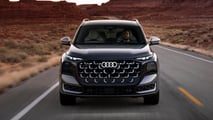
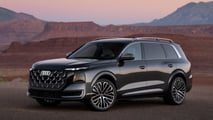
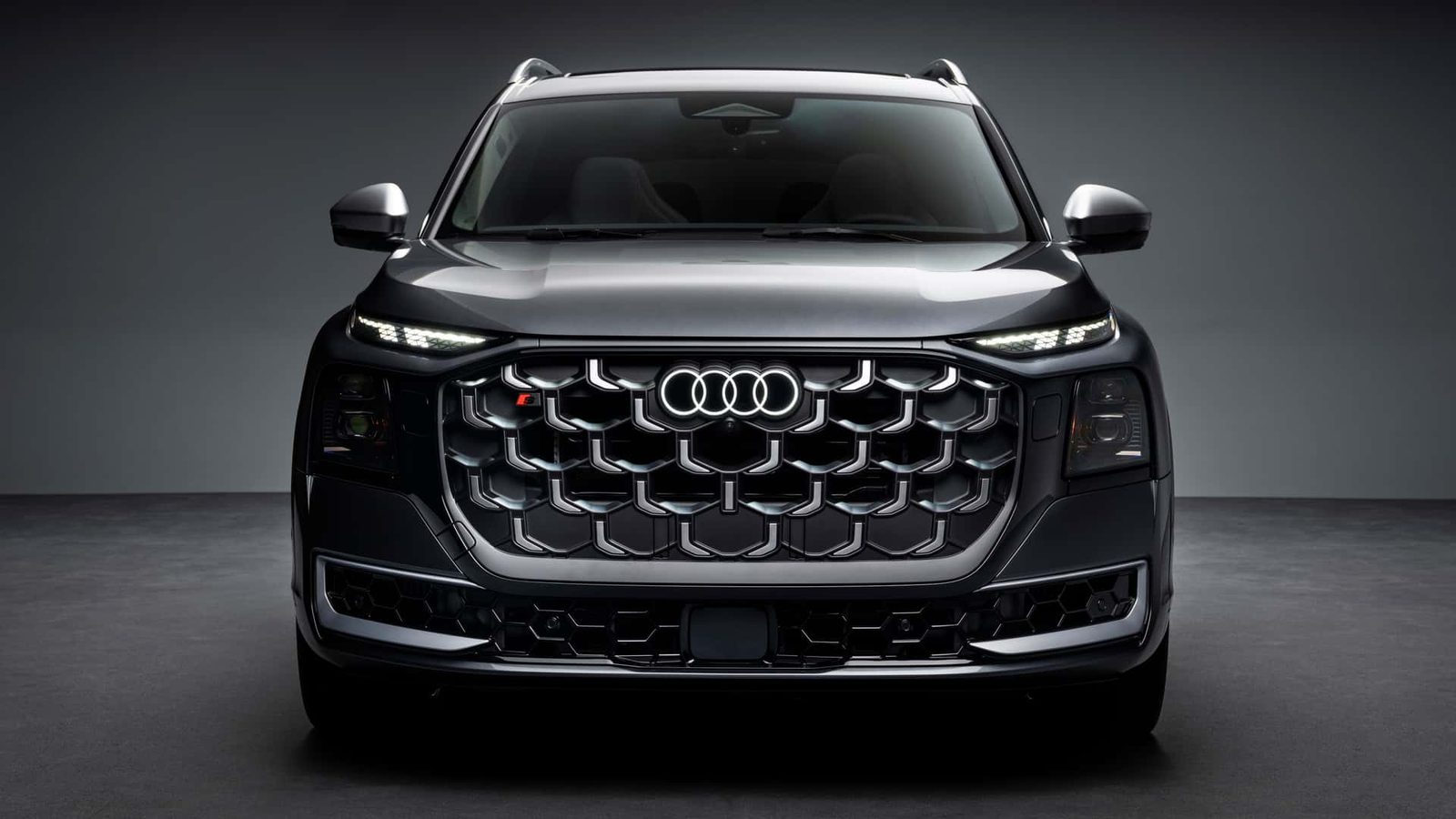
The redesigned Q7 and new Q9 move Audi’s product push into the larger-SUV market. The Q9 is a full-size, three-row luxury SUV developed with the United States in mind, where generous passenger space and a commanding driving position carry particular weight in this class.
Its equipment list gives the model a clear showroom talking point. Even the base Q9 includes advanced displays, a high-quality audio system, and a large panoramic roof. The vehicle also offers a choice of powertrains, allowing Audi to present the Q9 as more than a single configuration wrapped in premium design.
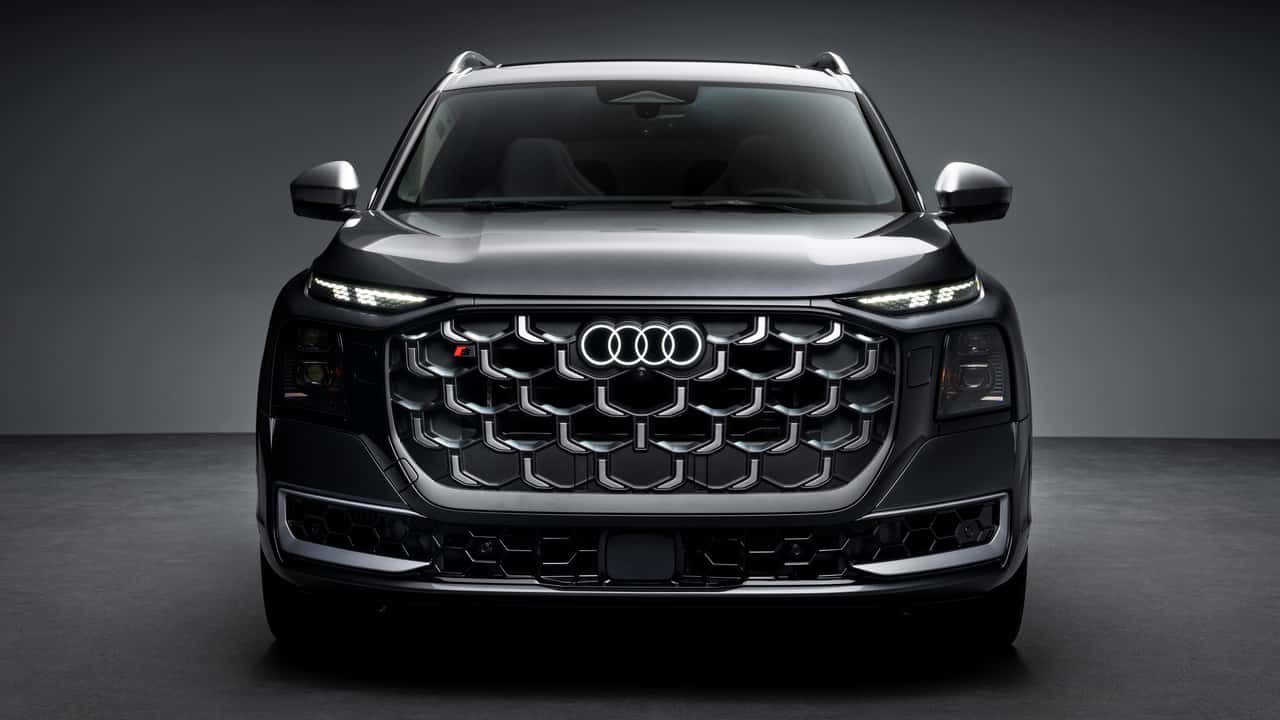
The cabin is the stronger argument. The Q9 delivers Audi’s most impressive in-cabin experience among the lineup described here, combining its displays, audio hardware, and panoramic roof into a more substantial luxury environment. That appeal will have to survive polarized reactions to the exterior styling, where online opinion has been mixed. A three-row SUV can attract attention, but its sales case ultimately depends on whether the space, technology, and equipment feel convincing beside established competitors.
Rivals expose the gaps Audi still must close
BMW retains a dominant position in the United States luxury-vehicle market, while Mercedes-Benz continues pursuing annual sales growth. Genesis adds another source of pressure as it prepares more new products at prices intended to disrupt established segment expectations. Audi’s SUV renewal therefore arrives in a market where freshness alone will not guarantee a reversal.
The largest unresolved weakness is the brand’s hybrid portfolio. The SUV range now has newer designs, broader size coverage, and a flagship-style Q9, but hybrid choices remain limited. Audi is working to address that deficiency, although no firm timetable has been established for bringing those vehicles to market.
That timing could shape the next sales cycle. Buyers weighing fuel use, performance, and electrification have increasingly more ways to compare luxury SUVs, and competitors can use powertrain variety as a reason to win the consideration set before styling or cabin technology enters the discussion. Audi has built a more credible SUV foundation; its recovery depends on executing the remaining product plan before rivals widen the gap again.