Your Car May Be Paid Off. Its Features May Not Be
Automakers are putting connected services, driving aids, and even factory-installed hardware behind recurring charges, changing the real cost of ownership.
Why are automakers putting car features behind subscriptions?
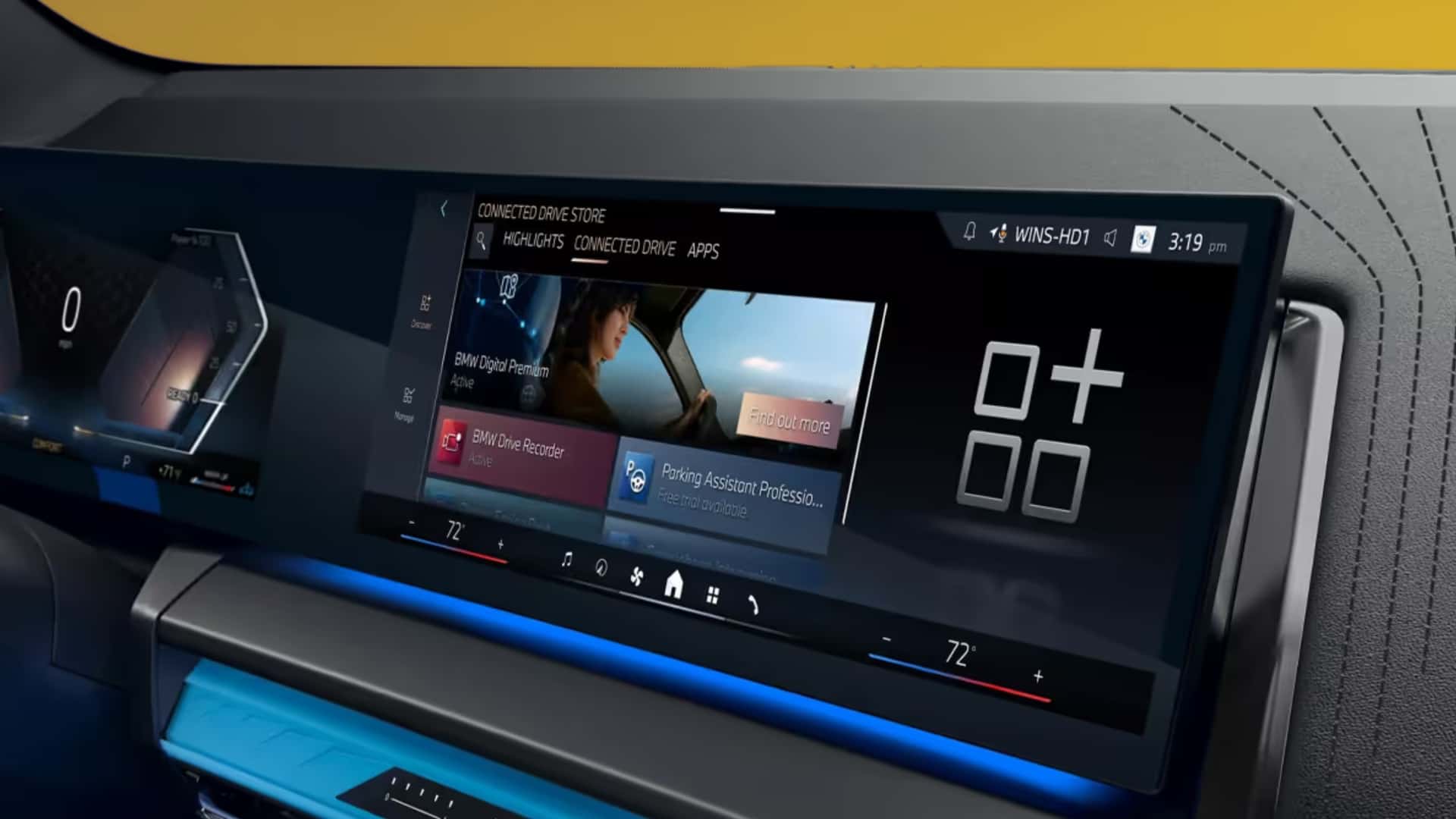
Automakers are using subscriptions to turn a single vehicle sale into recurring revenue. A car traditionally produces most of its revenue when it leaves the dealership, with later money coming mainly from service visits or the customer’s next purchase. Software changes that pattern because a feature can be activated, updated, and sold throughout the vehicle’s life. The same system may also be offered to a second or third owner without adding another physical component. Tesla’s Premium Connectivity plan shows the model clearly: cellular access for live traffic visualization and satellite-view maps costs $9.99 per month or $99 per year. The hardware and cellular connection are already in the vehicle; the payment controls access. Automakers also gain manufacturing flexibility by building fewer versions of a seat, camera module, or electric motor, then using software to unlock different capabilities.
Which car subscriptions are paying for a real ongoing service?
Subscriptions make the strongest case when the feature depends on continuing operating costs. A Wi-Fi hotspot uses cellular data every time it connects. Live navigation requires updated traffic information and map data rather than a one-time disc installed at the factory. Hands-free highway driving also depends on software development, testing, support, and maps that change over time. Emergency assistance has a similar service element because the vehicle must maintain a communications connection and reach an outside response system. Those products resemble mobile apps or internet services more than fixed equipment. The distinction is less convincing when a payment merely unlocks a component already installed in the car. A monthly charge for heated seats, adaptive lighting, or extra motor performance does not obviously fund data, new maps, or a continuing communications network. The ownership dispute turns on that difference: service access can expire, but the physical equipment remains in the vehicle.
How much can a connected-driving subscription add to a car’s cost?
The long-term cost depends on whether the owner pays monthly, annually, or once at purchase. Ford’s BlueCruise hands-free highway-driving system costs $49.99 per month, $495 per year, or $2,495 as a one-time purchase when the vehicle is purchased. The monthly route offers the lowest initial commitment but can become the most expensive choice over extended ownership. The annual plan changes the payment rhythm without removing the recurring charge. The one-time price treats the feature more like a conventional vehicle option, although its availability still depends on the system installed in that particular vehicle. Tesla offers a different structure for Full Self-Driving, charging $99 per month on eligible vehicles. These prices are not interchangeable: BlueCruise and Full Self-Driving are separate products with different capabilities, eligibility rules, and purchase terms. The key ownership question is whether a driver expects occasional use, repeated annual use, or permanent access.
Why do factory-installed features behind paywalls upset drivers?
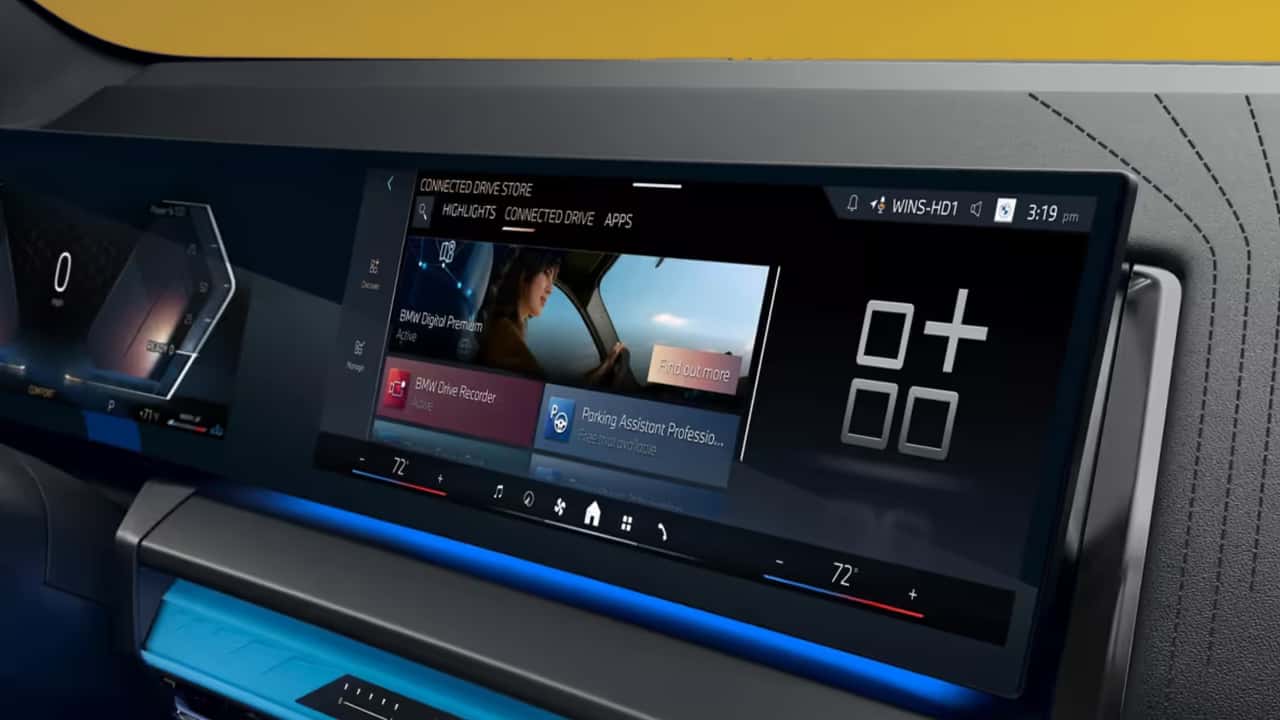
Drivers generally distinguish between renting a service and renting hardware that arrived with the car. The backlash became visible after a post in r/mildlyinfuriating went viral: one owner discovered that a feature already built into the vehicle worked only during a limited free trial before requiring payment. Thousands of comments followed, many objecting to a recurring charge for equipment the buyer had already paid to transport, register, and own. Heated seats make the objection easy to understand. The seat hardware does not need a cellular plan, updated map, or outside support to produce warmth; software simply decides whether the owner may activate it. Adaptive lighting and extra performance create the same friction when the machinery is present from the start. A buyer may accept paying for navigation data or a Wi-Fi connection, but a paywall around a physical switch changes the transaction from buying an option to leasing permission.
How do free trials change the real cost of owning a car?
A free trial can make a paid feature feel like part of the vehicle before the owner sees its renewal cost. The buyer uses the connected system for several months or years, builds it into a daily routine, and then faces a choice when access ends: surrender a familiar function or add another recurring bill. That structure is common in streaming platforms and smartphone apps, but a vehicle can cost, on average, $50,000. The subscription therefore affects more than convenience; it makes the sticker price an incomplete measure of ownership. Two cars with similar purchase prices may have different long-term costs if one includes navigation, connectivity, or driving assistance while the other treats those functions as renewals. The practical paperwork question is precise: which features stop working when the trial ends? That answer belongs beside financing, insurance, maintenance, registration, and fuel when a buyer calculates the vehicle’s actual cost.
Can a driver use a car subscription only when it is needed?
Some subscriptions offer flexibility that a permanent option cannot. A driver could activate an advanced highway-driving system before a long road trip, use it for that journey, and cancel it afterward instead of paying for access during every month of ownership. That arrangement treats the feature as temporary capacity rather than a permanent equipment purchase. It may fit a driver whose daily routes are local but who occasionally spends long stretches on major highways. The same logic applies to connected services needed only during a particular travel period, although the vehicle’s cancellation terms and reactivation process determine how convenient the arrangement is. The flexibility argument weakens when the feature is basic equipment or when a free trial has trained the owner to depend on it. A temporary highway aid can resemble a rental service; a factory-installed heater that stops working after cancellation still feels like rented hardware.
What should buyers ask before signing for a subscription-equipped car?
Buyers should identify every feature that expires, the renewal price, and whether a one-time purchase exists before signing. The most important distinction is between an ongoing service and a software lock on installed hardware. Cellular data, live navigation, Wi-Fi, and emergency assistance involve continuing connections or updated information. Heated seats, adaptive lighting, and some performance functions may use equipment already present in the vehicle, making the recurring charge harder to justify as a service cost. A buyer should also establish whether access transfers to a later owner, whether cancellation removes the function immediately, and whether a free trial converts automatically into a paid plan. Ford’s BlueCruise illustrates why the payment structure matters: its listed choices include monthly, annual, and one-time access. A vehicle’s advertised price cannot answer these questions. The feature-expiration list and payment terms determine whether the car is an owned machine with optional services or a machine whose capabilities remain rented.