Hyundai's Record July Was Won by Hybrids, Not EVs
Hyundai posted its best July ever, but the sales chart tells a clear story: buyers are chasing fuel-efficient hybrids while its electric models slump.
A Record Month Built on Hybrid Momentum
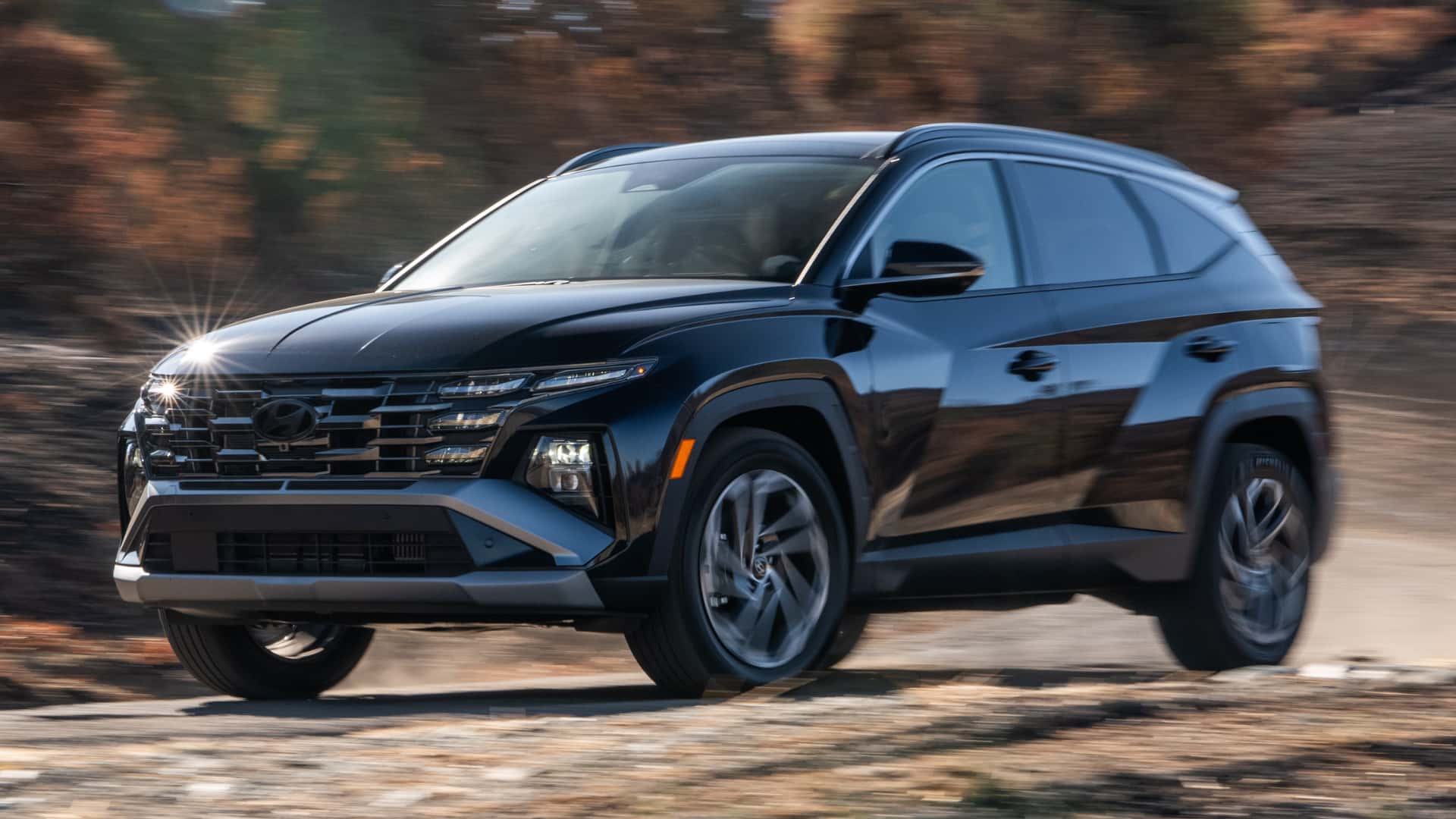
Hyundai sold 82,480 vehicles in the United States in July, a 4 percent gain over the same month last year and the company's best July on record. The growth was not spread evenly. Hybrid electric vehicle sales jumped 35 percent year over year, giving Hyundai its strongest July ever for electrified models. The Tucson, still the brand's top seller, moved 19,714 units, up 20 percent and the model's highest July total ever. The biggest winner was the Elantra sedan, which surged 39 percent to 17,115 units, nearly matching the Tucson. Hyundai Motor North America president Randy Parker credited the hybrid lineup directly, noting that electrified vehicles accounted for a third of all retail sales in July.
Pump Prices Are Pushing Buyers Toward Hybrids
The national average price for a gallon of gas hit $4.10 in July, up 95 cents from a year earlier, and California drivers faced $5.66. That backdrop reshaped showroom traffic. Honda also posted a record July for hybrid sales, moving 36,609 of them, with the CR-V hybrid alone accounting for 20,710 units, up 18.4 percent. At Hyundai, the Sonata hybrid saw sales climb 85 percent, while the Elantra hybrid rose 13 percent and the Tucson hybrid gained 5 percent. The pattern extends beyond Hyundai and Honda: Kia's Sportage hybrid improved 76 percent. With gas prices elevated and no relief in sight, the payback on a hybrid's higher upfront cost is arriving faster, and dealers are seeing it in the mix of models leaving the lot.
Sedans Refuse to Die at Hyundai
Hyundai's affordable sedans helped counter declines elsewhere in July. While the Palisade, Santa Fe, and Kona all slipped, the Elantra and Sonata posted strong gains, with the Elantra nearly matching the top-selling Tucson's volume. The Sonata hybrid saw the steepest percentage increase among Hyundai's hybrid lineup. The sedan segment remains a vital counterweight, proving that not every buyer wants a crossover.
The EV Lineup Is Losing Steam
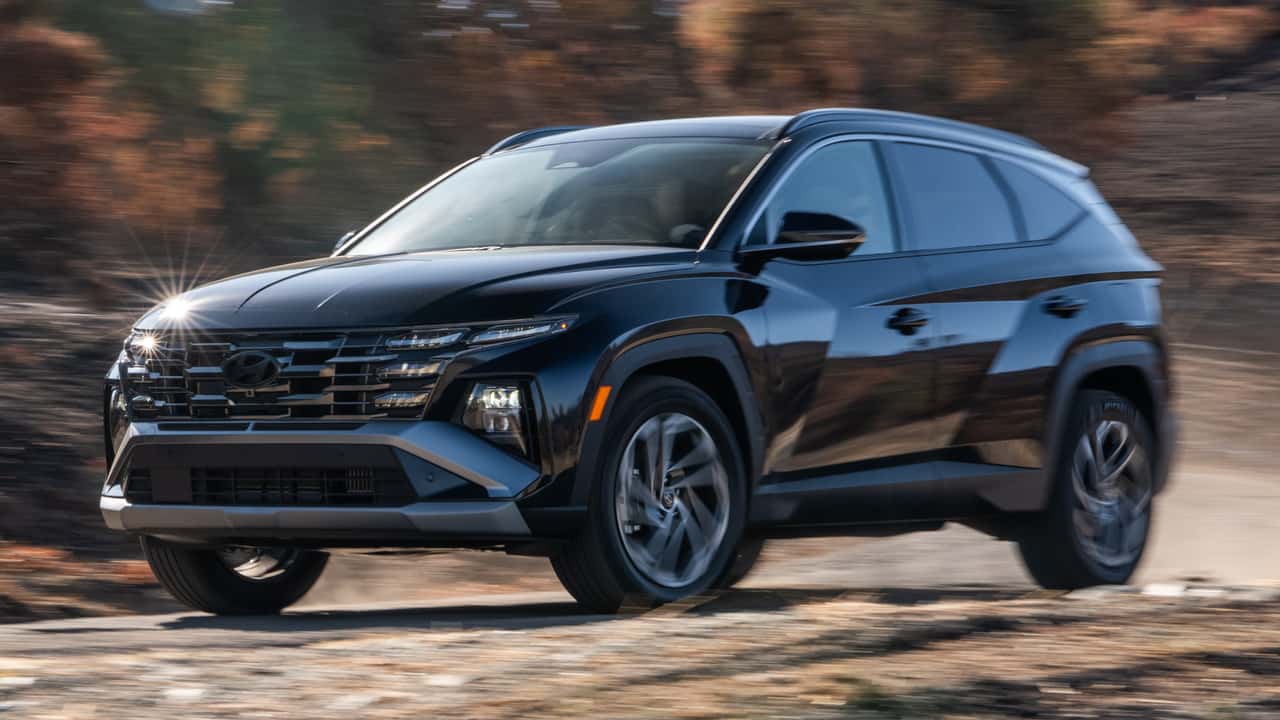
Hyundai's electric sales tell the opposite story. The Ioniq 5, which had posted gains earlier this year, fell 38 percent in July to 3,636 units. The Ioniq 6 nearly vanished, with just 76 sold—a 92 percent drop. Even the new three-row Ioniq 9, unveiled to much fanfare, slipped 35 percent to 700 units. Year-to-date, the Ioniq 5 is down only 2 percent, but the trend is clear. The elimination of the federal tax credit last fall appears to have sapped demand, and unlike hybrids, which benefit from gas prices, EVs face high interest rates and charging infrastructure concerns. Kia's EV6 fell 48 percent and the EV9 dropped 5 percent, suggesting the whole Korean EV lineup is struggling. For buyers who need an electric vehicle now, the Ioniq 5's year-to-date total of over 24,000 units means there's still a steady supply, but you'll find few new reasons to choose it over a hybrid.
What the July Sales Chart Reveals
The July chart shows a clear preference for hybrids over pure EVs. While the Ioniq 5 dropped 39% and the Ioniq 6 nearly vanished at 76 units, the Sonata hybrid surged 85%. The Palisade fell 8% and the Santa Cruz also declined, but the Venue managed a 12% gain. The demand for affordable, efficient models remains strong, even as some larger vehicles lose ground.