Title Jumping: What Happens When a Car Sale Isn't Finished
Selling a car is not done until the title is transferred — here’s what can go wrong and how to protect yourself.
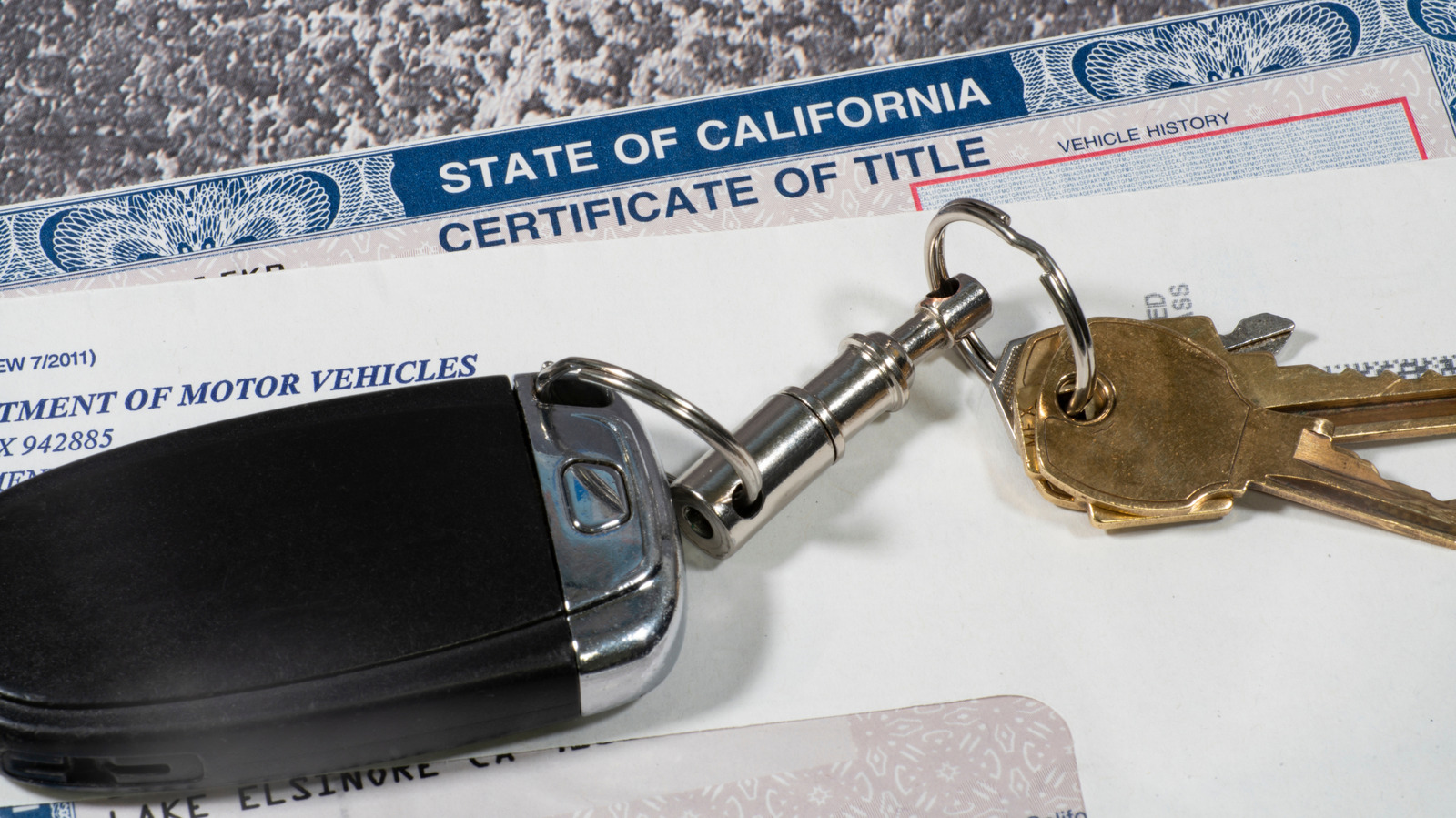
Why a Sale Isn't a Sale Without the Title Transfer
In the U.S., the title is the document that proves ownership of a car. If you sell a car but the buyer never transfers the title into their name, you remain the legal owner in the eyes of the state. That means any parking tickets, moving violations, or liability from accidents stay tied to you. The practice of skipping the transfer, known as title jumping, is a common way buyers avoid registration fees, sales tax, and the consequences of their driving record.
California and Texas Set Strict Deadlines
The rules for notifying the state after a sale vary widely. California gives sellers five calendar days from the moment the car is handed over to notify the DMV, while Texas allows 30 days from the date of sale. Because the deadlines are shorter than many sellers expect, handling the transfer paperwork on the day of the sale is the safest approach. Check your own state's DMV rules before handing over the keys to avoid missing a deadline.
Filing the Notice Doesn't Transfer Ownership
Simply notifying the state that you sold the car is not the same as transferring ownership. California is blunt: the record keeps your name on it, and nothing you file changes that. Only the buyer can complete the transfer by applying with the title you endorsed. Texas is upfront that a late submission carries no guarantee of release. Filing still puts the transfer on record, but the state's records stay unchanged until the buyer does their part.
Keep Records and Meet In Person
Texas points sellers toward three things worth keeping: buyer contact details, the sale date, and the VIN. Doing the transfer in person also helps. Travis County's tax office prefers both buyer and seller present when the title is processed. It's an hour well spent, especially next to some of the worst DMV experiences people have had.
What to Do if You Get Fines After a Sale
If you receive strange fines in the mail, act immediately. Start with the buyer — many cases are procrastination rather than fraud, and a phone call asking them to finish the job costs nothing. If that fails, file the notice again. Texas can provide a confirmation email or Form VTR-275 showing the month and year of the transfer. In California, repeated registration renewal notices signal the paperwork never landed, and Form INF 70 retrieves a copy of what was originally submitted, for a fee.
Court Facts: Your Filings Are Evidence, Not a Shield
If a title-jumping dispute reaches a courtroom, your filings are evidence rather than a get-out clause. California is explicit that a judge, not the DMV, rules on whether you met the requirements and earned the exemption. Under California's Vehicle Code §5602, sellers who complete the required steps are no longer treated as the car's owner. Texas won't pursue sellers over parking tickets or toll violations the buyer runs up once the notification is filed.