7 Ways to Start a Car When the Key Fob Battery Dies
Most modern cars keep a no-battery backup path to ignition; the trick is knowing where your model hides it.
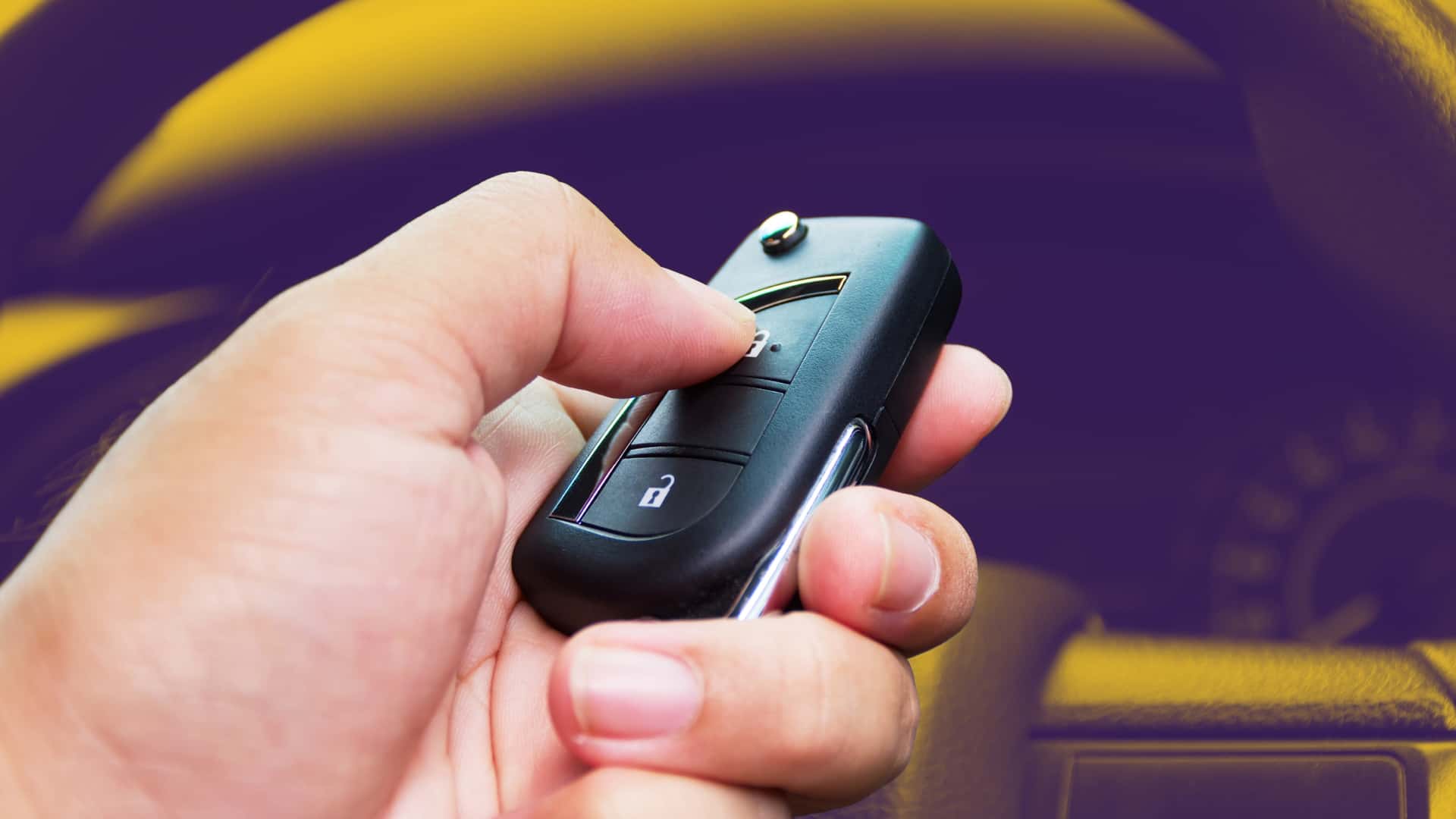
Press the dead fob against the start button
Many push-button-start cars will still start when the fob's battery is completely dead, and the quickest method is to press the fob itself against the start button. Drivers in a Reddit thread that began with one user's tip confirmed it across three brands: Nissan, Toyota, and GMC owners said the move started their cars. Hold the fob on the button while you press, and keep it there until the dashboard responds. Different models may want the fob at a slightly different angle or with more pressure, but the motion is the same. Drivers who had been carrying dead fobs in their pockets for days reported success with this method. If the first push does nothing, rotate the fob or press the button again while holding it in place. This is the first backup to try, before hunting for hidden slots or panels.
- LocationStart button
- ModelsNissan, Toyota, GMC
- ProcedurePress fob to button a
Check the console, cup holder, or dashboard slot
If the ignition button doesn't respond, the next place to look is a designated reader hidden somewhere in the cabin. Automakers have placed these emergency spots in the center console, in a cup holder, or behind a small door in the dashboard. The procedure is simple: put the dead fob in that spot, then start the car normally. The inconsistency is the catch. In one Reddit thread, Mazda owners disagreed about whether their cars needed the fob on the start button or inside a storage bin, and other drivers said their vehicles used a cup holder or a dashboard compartment. A separate thread about a stranded Nissan owner produced the same kind of split: one answer was to press the start button with the fob, while other commenters pointed to hidden slots. Because the locations vary so much across models, the reader in your car may be a recessed bin with no lid or a slot the fob slides into.
- LocationCenter console, cup ho
- ModelsMazda, Nissan
- ProcedurePlace fob in designat
Pull the hidden emergency key out of the fob
A dead fob still has an ordinary lock cylinder waiting for it, if you can get the key out. Most modern fobs contain a physical metal key inside the plastic housing, held in by a small release button or a sliding tab. Press or slide the release, pull the blade free, and it turns the driver's door lock the old-fashioned way. Some cars hide the keyhole behind a removable plastic cover near the door handle; prying that cover off exposes it. A Buick owner in the Reddit thread admitted they had never known where the actual key part of their fob would even go until the discussion appeared. The metal key does not need a battery and does not depend on any radio signal. That makes it the one part of the fob that works when every electronic function has stopped. For many drivers, the door-opening step is the one that prevents them from even reaching the start button; once inside, the car's backup reader can take over.
- LocationInside fob housing, dr
- ModelsBuick
- ProcedureRelease button/slidin
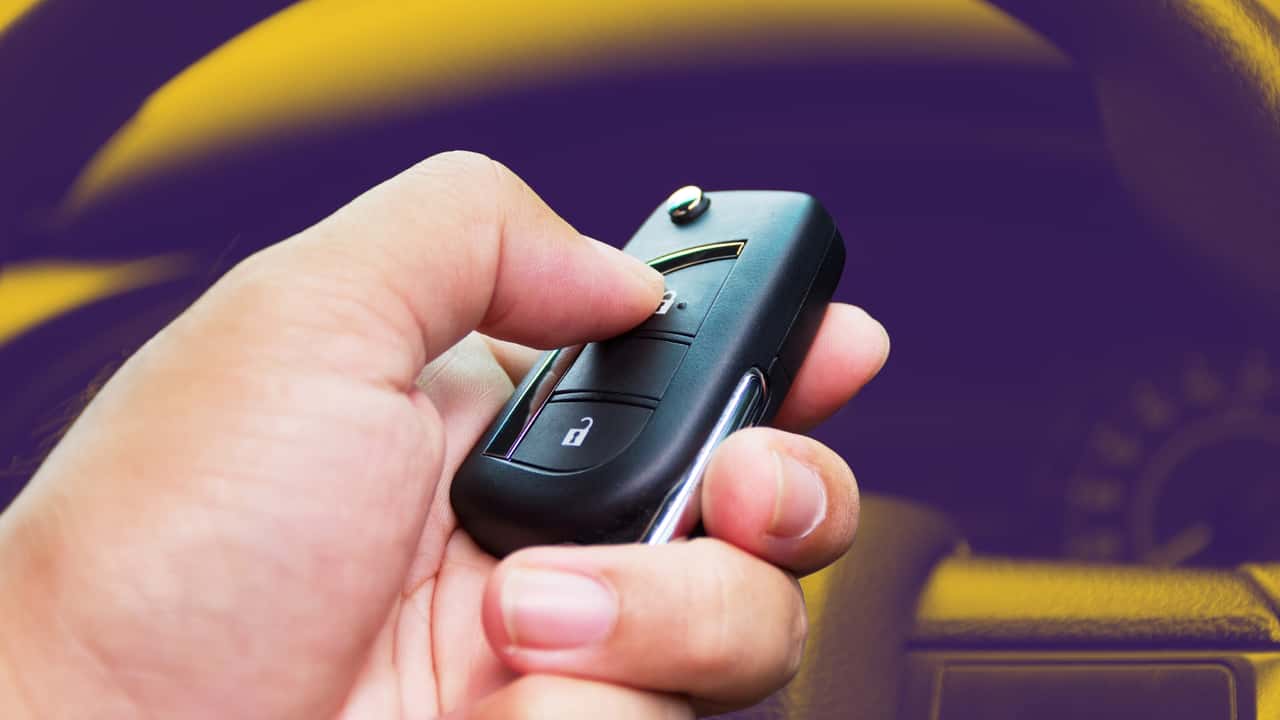
The backup works without any battery power
Every one of these emergency starting methods depends on the same component: a passive chip embedded inside the key fob. Under normal operation, the fob uses a small radio transmitter powered by its coin-cell battery to unlock doors and authorize the engine. When the battery dies, that transmitter goes silent. The chip does not. It holds a code and can be read when the car's reader is brought close enough, which is why the designated backup positions are always near-contact spots. The start button, the console bin, and the steering-column zone all do the same job: they put a reader within range of the chip. This design is why a key fob can look completely dead and still start the engine the same day. The chip is also why the trick works with a battery that has been flat for months.
- MechanismPassive chip inside f
- BatteryNot required for passiv
- LocationStart button, console
Replace the CR2032 or CR2025 before the next failure
The backup is there because the fob's normal power source has a predictable lifespan. Most key fobs use a silver coin-cell battery, commonly a CR2032 or CR2025. Those cells typically last three to five years, and they cost a few dollars at a store that sells watch batteries. Replacement takes a few minutes on most vehicles: open the fob case with a small screwdriver or a coin, pull out the old cell, and drop in a fresh one. Many owners can do the swap themselves without removing the fob from their key ring, and no special programming is required afterward. The cells are inexpensive enough that replacing the battery on a schedule, rather than after the fob fails, is the easiest way to avoid the dead-fob drill entirely. A fob that had been struggling at parking-lot range often behaves like new once the cell is changed.
- BatteryCR2032 or CR2025
- Battery3-5 years
- CostA few dollars
- ProcedureOpen case, swap cell
Read these four warnings before the fob dies
Most dead-fob emergencies are not sudden. Reduced range is usually the first sign: the car unlocks from the driveway but not from across the parking lot. The buttons start needing a second or third press, as if the transmitter is too weak to get through. Some dashboards post a 'key fob battery low' message well before total failure. The other red flag is intermittence—the fob works in the morning, ignores you after lunch, then works again later. Each of those signs points to the same coin-cell battery losing voltage, not to a broken fob. Replacing the cell at the first sign costs a few dollars and takes minutes. Ignoring it is the reason so many drivers discover the backup procedure in a parking lot with the car already locked and the fob silent. Dashboard warnings are not always present; in older cars, range and repeat-press behavior matter more.
- WarningReduced range, repeat p
- BatteryLow coin-cell voltage
Look up the exact backup location before you're stranded
None of these procedures is universal, and the differences are why one fob trick can fail in every car in a parking lot except one. Some automakers put the reader behind the start button; others use a console bin, a slot hidden under the dashboard, or a spot on the steering column. The owner's manual has the precise location for your model, and it may literally tell you to touch the fob to the start button or insert it into a hidden slot. The check takes five minutes and can be done while parked at home, with the engine already off. It is the difference between knowing the procedure when the fob dies and searching through a dark cabin while the door is locked. Once found, the spot is easy to remember because the manual describes exactly where it is and how to use it.
- LocationStart button, console
- ProcedureCheck owner's manual
- DurationFive minutes