Classic Motorcycles Get a Second Life With Beachman's New EV Conversion Division
Beachman Bikes' Special Vehicles Division is turning vintage motorcycles headed for the scrap heap into electric riders, starting with a restored Honda CB500.
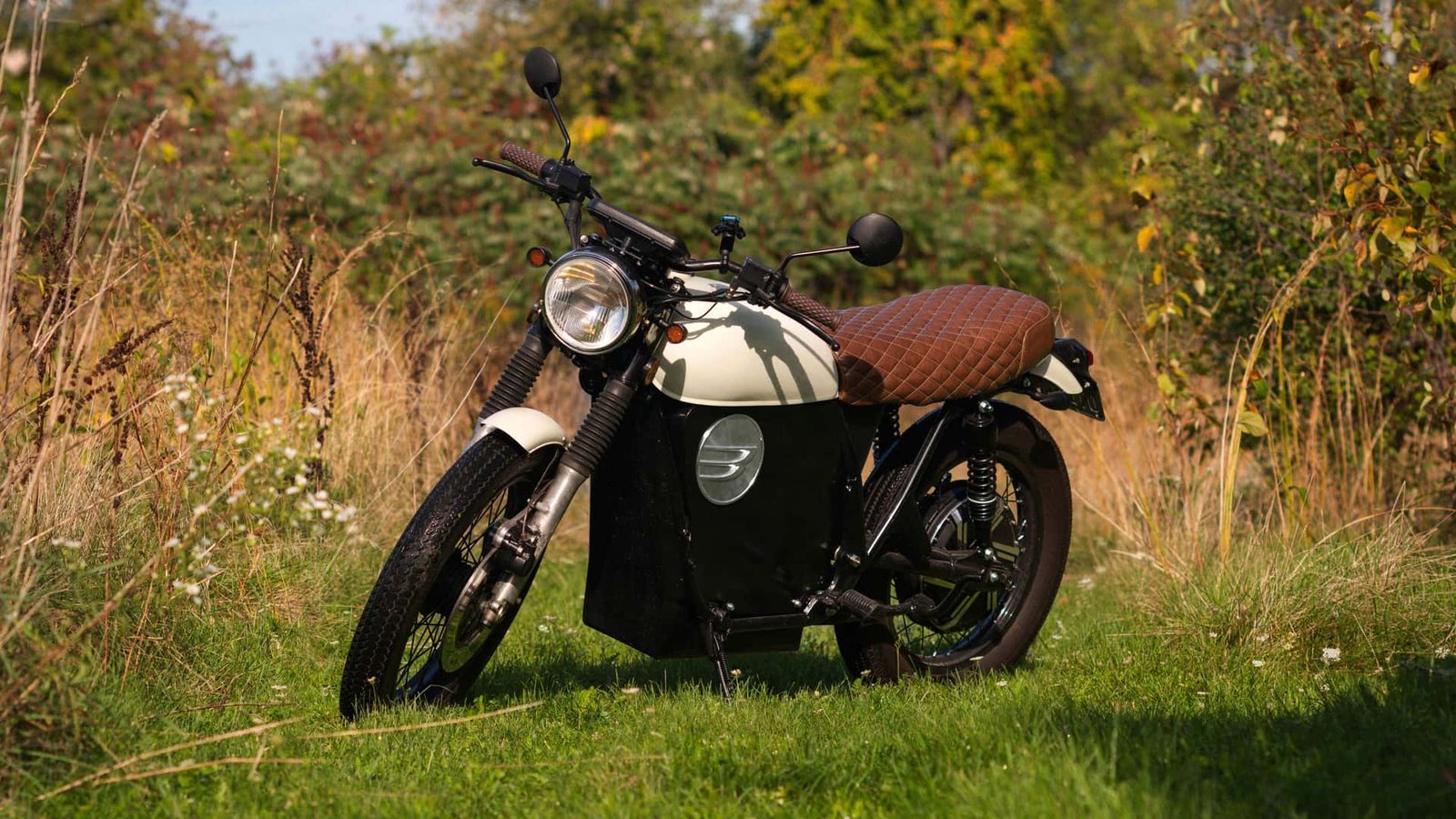
Honda CB500 Conversion Leads the Way
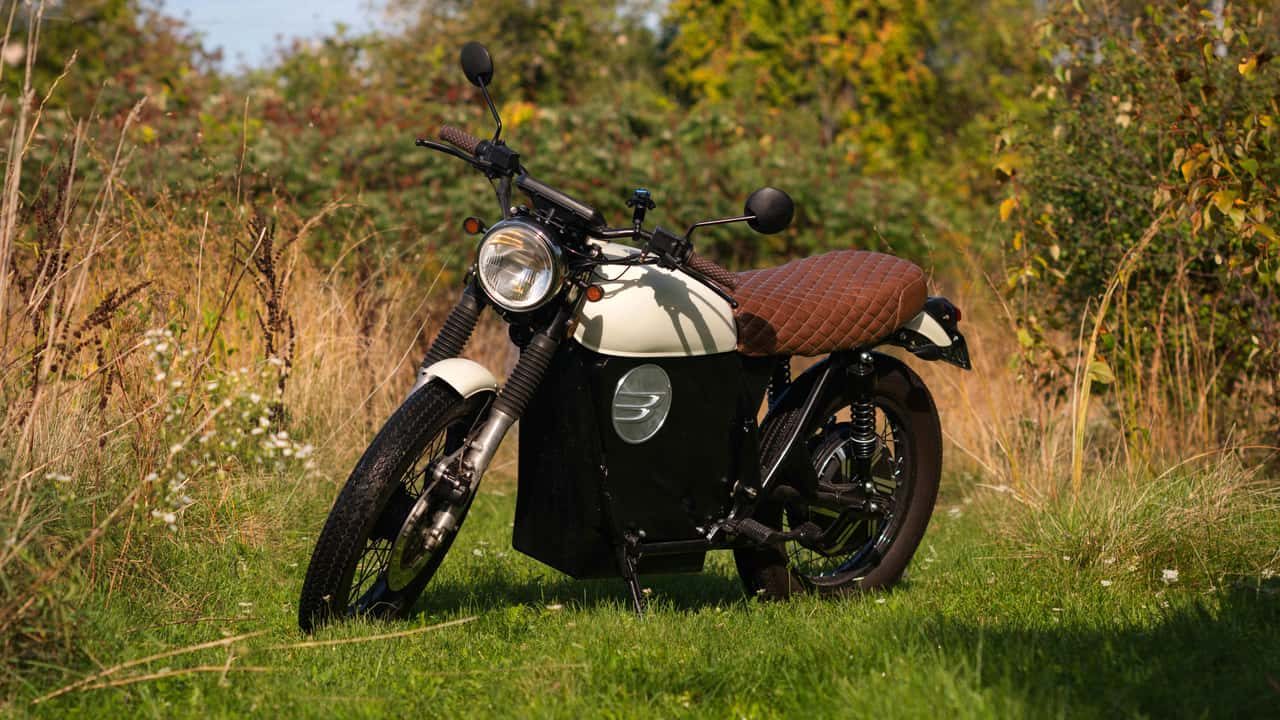
The first project from Beachman Bikes' Special Vehicles Division is a Honda CB500 that arrived with a blown motor, broken clutch, and other issues. Rather than a quick battery drop-in, the team performed a full restoration and engineered a 72-volt, 200 amp-hour battery pack that fits the frame. The result is a classic-looking bike with modern highway capability and daily reliability. The original CB500's design was preserved, down to a vintage-inspired charging port that doesn't break the classic lines.
3D Scanning Makes Conversions Repeatable and Affordable
The Special Vehicles Division 3D-scanned the CB500's frame and worked with its battery supplier to engineer a drop-in solution that now fits most conversions of that model. This makes future builds faster and more predictable, avoiding the one-off process of the first. The goal is a dependable path for owners of this popular classic.
Conversion Pricing Starts Around $8,000
Beachman's electric conversions start at approximately $8,000, converted from Canadian dollars. That price point puts classic motorcycle electrification within reach of many owners who might otherwise face a costly engine rebuild. The price includes the battery, motor, and integration work, though final cost varies by bike condition and desired range.
Preserving Classics Only When They Need Saving
According to Steve Payne, Beachman's COO and head of the Special Vehicles Division, the company won't convert a classic that still rides well. The focus is on bikes that are otherwise headed for the scrap yard, giving them a new life as electric vehicles. Payne described the process as a pleasure, and the company sees it as a way to keep classic motorcycles on the road rather than parked in a garage or thrown away. This selective approach means not every classic will be electrified, only those that truly need a second chance.
Beyond Motorcycles: Conversions for Cars and Buggies
The division has applied its electric conversion expertise beyond two wheels, including a Meyers Manx dune buggy. That project highlights the versatility of their powertrain solutions, which prioritize quality restoration and seamless battery integration across diverse vehicles.
Riding Feel and Range on Par with Original
The converted CB500 delivers highway-speed capability and ride confidence comparable to modern bikes, preserving the original's ethos. The 200 amp-hour battery provides what the company calls 'normal cafe racer range'—likely 60 to 80 miles per charge. A vintage-inspired charging port maintains the classic look, while the battery drops into the frame without alteration.
A Controversial but Practical Proposition
Purists might object to electrifying a classic, but the company's stance is pragmatic: if a bike rides great, they won't touch it. The conversion targets machines already headed for the scrap yard, like the initial project with a blown motor and clutch. That bike's owner wanted a new lease on life, and the result was a quality restoration with modern reliability—preserving the past, not desecrating a working classic.