Tesla Headlight Recall, a $10M Test Drive Crash, and Volvo's Model Y Fighter: What EV Owners Need to Know
From a federal headlight recall to a lawsuit over 'Insane' mode and Volvo's upcoming EX50, here are the practical facts for current and prospective EV buyers.
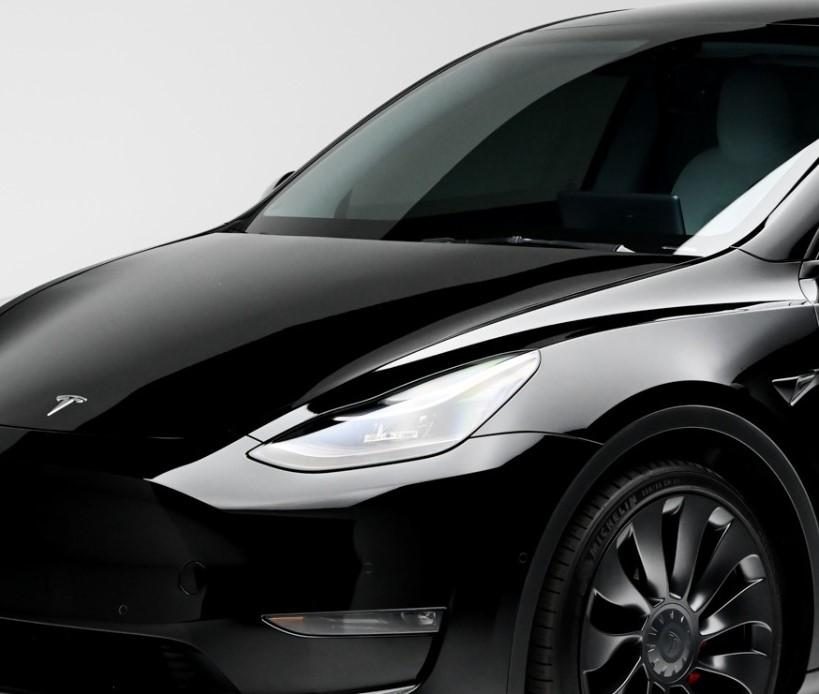
Why are Tesla Model 3 and Model Y being recalled for headlights?
Tesla is recalling more than 20,000 Model 3 and Model Y vehicles in the U.S. because their low-beam headlights exceed the maximum light output allowed by federal safety standards. The affected lineup includes 2017-2023 Model 3 sedans and 2020-2023 Model Y crossovers. The excessive brightness can blind oncoming drivers, creating a crash hazard. The recall specifically addresses the low-beam output, which is brighter than regulations permit. Tesla has not yet defined the exact repair, but owners will be notified once a fix is ready. This is a compliance-driven recall, meaning the headlights work as designed but are simply too intense. Given the sheer number of units involved, it represents a significant safety action that owners should not ignore, even if they have not noticed any issues themselves.
How was the headlight problem discovered?
The defect came to light during official testing by Transport Canada in 2023. While evaluating a Tesla Model 3's low beams, the agency found that the left-hand headlight's photometric output failed to meet Canadian motor vehicle safety regulations. The specific issue lay in the low beam's light pattern and intensity, which exceeded what is permitted under Canadian standards. That initial finding triggered a broader review. The same noncompliance was then identified in systems fitted to the affected vehicles sold in North America. In other words, the problem was not reported by drivers complaining of glare—it was discovered through regulatory measurement. This is why a recall was ordered before any NHTSA investigation into field incidents; the violation itself was enough to warrant corrective action.
Did Tesla try to avoid the recall?
Yes. In April 2024, Tesla petitioned the National Highway Traffic Safety Administration (NHTSA) to avoid a recall, arguing that the problem was "inconsequential as it relates to motor vehicle safety." The company based its claim on having received only three warranty claims and no reports of crashes or injuries. However, the affected vehicles—2017 through 2023 Model 3 and 2020 through 2023 Model Y—were found to have left-hand low beams that produce light intensity above the federal legal limit. This excessive brightness can cause glare for oncoming traffic, potentially obscuring obstacles and increasing the risk of a collision. NHTSA took more than two years to deny Tesla's petition, a delay that suggests careful deliberation but ultimately confirmed that the safety risk was real. The denial means Tesla must proceed with a recall covering more than 20,000 vehicles. The company is now working on a repair plan, though specifics have yet to be announced. The recall stems from a 2023 discovery during Transport Canada's testing of Model 3 headlights, which revealed the noncompliance. This history shows that the regulatory process can be long, but it also enforces strict photometric limits to protect all road users.
What should owners do about the headlight recall?
Owners of affected 2017–2023 Tesla Model 3 and 2020–2023 Tesla Model Y vehicles should watch for recall notification letters arriving in the middle of September 2026. Tesla is still working out the exact remedy, so no repair appointments are being scheduled yet. In the meantime, owners can contact Tesla directly at 877-798-3752 and reference recall number SB-24-17-003 to get status updates or ask questions about their specific vehicle. The recall stems from low beams that put out more light than the standard allows, which can create dangerous glare for oncoming traffic. While the company has received three warranty claims and no injury reports, the risk of momentary vision loss for other drivers is enough to warrant corrective action. Owners should not take any immediate steps other than staying informed. It is important to keep contact information current with Tesla so the notification letter reaches you. Additionally, monitor any official communications from NHTSA or Tesla regarding the remedy timeline. Once a repair is developed, owners will receive further instructions. For now, the phone number above is the primary channel for individual inquiries. The recall number should be mentioned in every call to ensure accurate handling. No action is required today, but be prepared to act once the September 2026 notices are sent.
Tesla Model 3 and Model Y Headlight Recall
Federal safety standards set maximum light output for headlamps, and exceeding that limit triggers a recall even when no accidents have been reported. Tesla petitioned NHTSA in April 2024 to treat the over-bright low beams as inconsequential, but the agency denied the petition after a two-year review. The recall process took more than two years from the initial finding to the final denial, reflecting the complexity of the regulatory review. The company acknowledged three warranty claims and no crash or injury reports, yet the photometric violation stood. Because the repair procedure remains undetermined, owners will receive notification letters in September 2026 with instructions. Until then, no further action is required from drivers. This case illustrates that the measured noncompliance itself is sufficient grounds for a recall, independent of observed harm.
Why is a Federal Reserve employee suing Tesla for $10 million over a test drive?
Alemzewd Lawgalet, a 59-year-old employee of the U.S. Federal Reserve Board, has filed a federal lawsuit against Tesla seeking more than $10 million in damages after a test drive crash. The incident occurred when Tesla employees set a Model Y into its quickest accelerating drive mode, referred to as "Insane," without informing her. The vehicle could go from 0 to 60 mph in 3.3 seconds in that mode. Lawgalet, who had never driven an electric car and had been assured it would operate like a gas vehicle, became frightened by the regenerative braking on Interstate 395. After exiting the highway, she accelerated from a red light, lost control as the car lurched forward at extreme speed, and crashed through the front of a nearby salon. She says she suffered serious, permanent injuries and is also seeking $350,000 in punitive damages for Tesla's alleged recklessness.