Audi's CEO Overruled Innovation for Practicality in the Q9
Gernot Döllner killed a piezoelectric wing door handle, swapped smart panels for dedicated switches, and sized cupholders for Stanley cups—all in a 45-week reversal before launch.
The CEO Killed the Fancy Door Handles 45 Weeks Before Launch
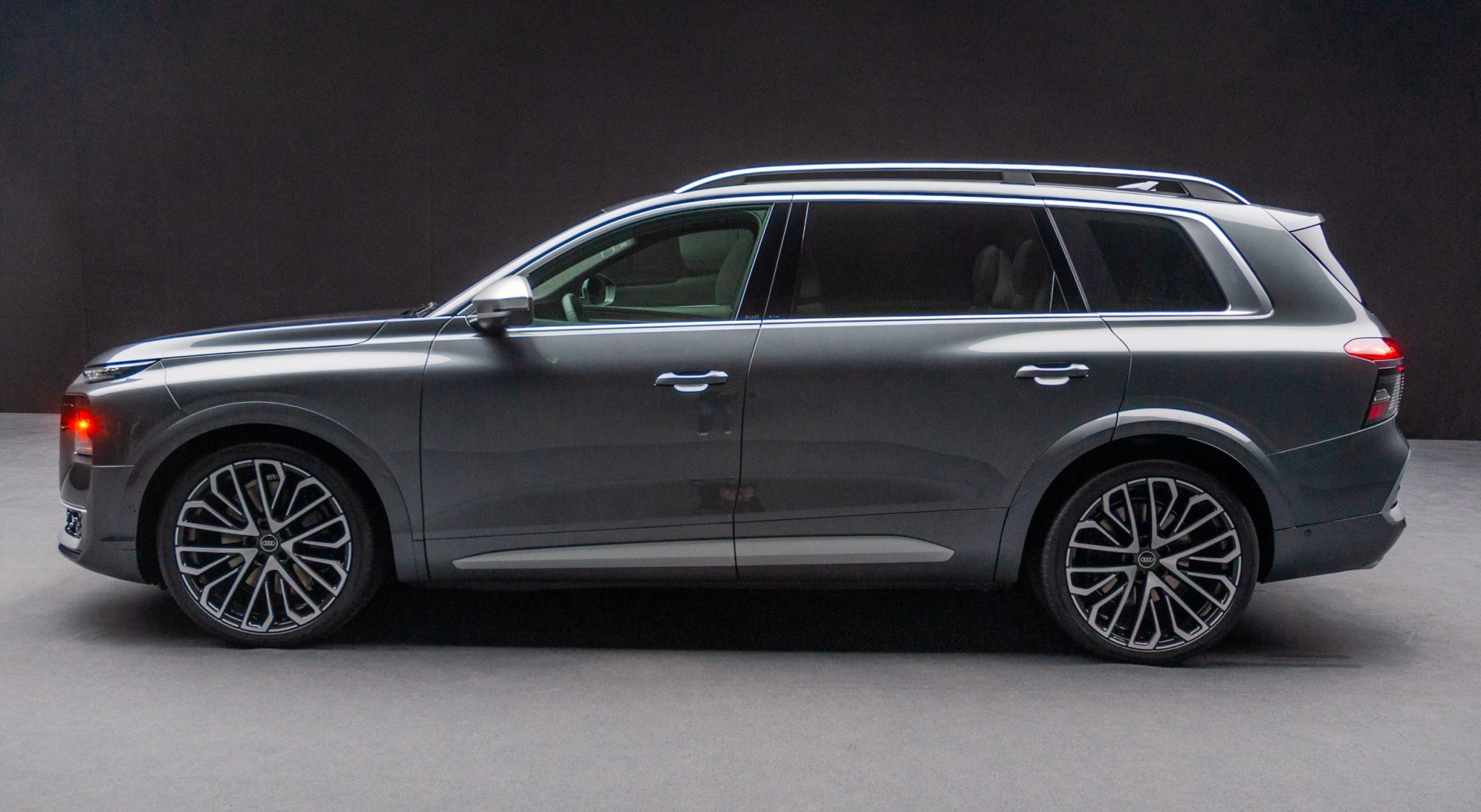
At a Munich media preview in May, Audi CEO Gernot Döllner told journalists that the 2027 Audi Q9 three-row SUV now wears conventional door handles, and the switch happened just 45 weeks earlier. "We had an innovative door handle concept on that car as well. And then we had a final test drive and said, it's innovative, but from a customer perspective, it's worse than a conventional door handle," Döllner said. The executive personally ordered the change after driving validation prototypes. He described the conventional handles as "simply good," adding, "We are really happy to have this conventional door handles as a kind of, it's not an innovation, it's simply good." The reversal came despite tooling already being made for the original design.
- Vehicle2027 Audi Q9
- ChangeDoor handles
- Detail45 weeks
The Dropped Handle Was a Piezoelectric Wing
The dropped Q9 handle was, in Döllner's words, 'a little wing on the door that worked with piezoelectric physical effect behind.' A light touch would cause the door to open electromechanically, eliminating the need for a mechanical pull. Döllner confirmed that the technology wasn't abandoned entirely – it will appear on a European car in a different segment, though he didn't name the model. The decision to scrap it from the Q9 occurred alongside China's ban on unconventional door handles, but Döllner insisted that ban wasn't the reason; rather, it was about everyday usability. For a full-size three-row SUV, the handle didn't meet what he called 'requirements for everyday usage.' The piezoelectric wing was a clever piece of engineering, but it was judged to be worse for customers than a traditional handle. Audi's choice to go conventional on the Q9 doesn't mean the end of electronic handles – just that they don't belong on a family hauler.
- Vehicle2027 Audi Q9
- ChangeTooling rework
- Detail2 years normal time
A Customer-First Redesign
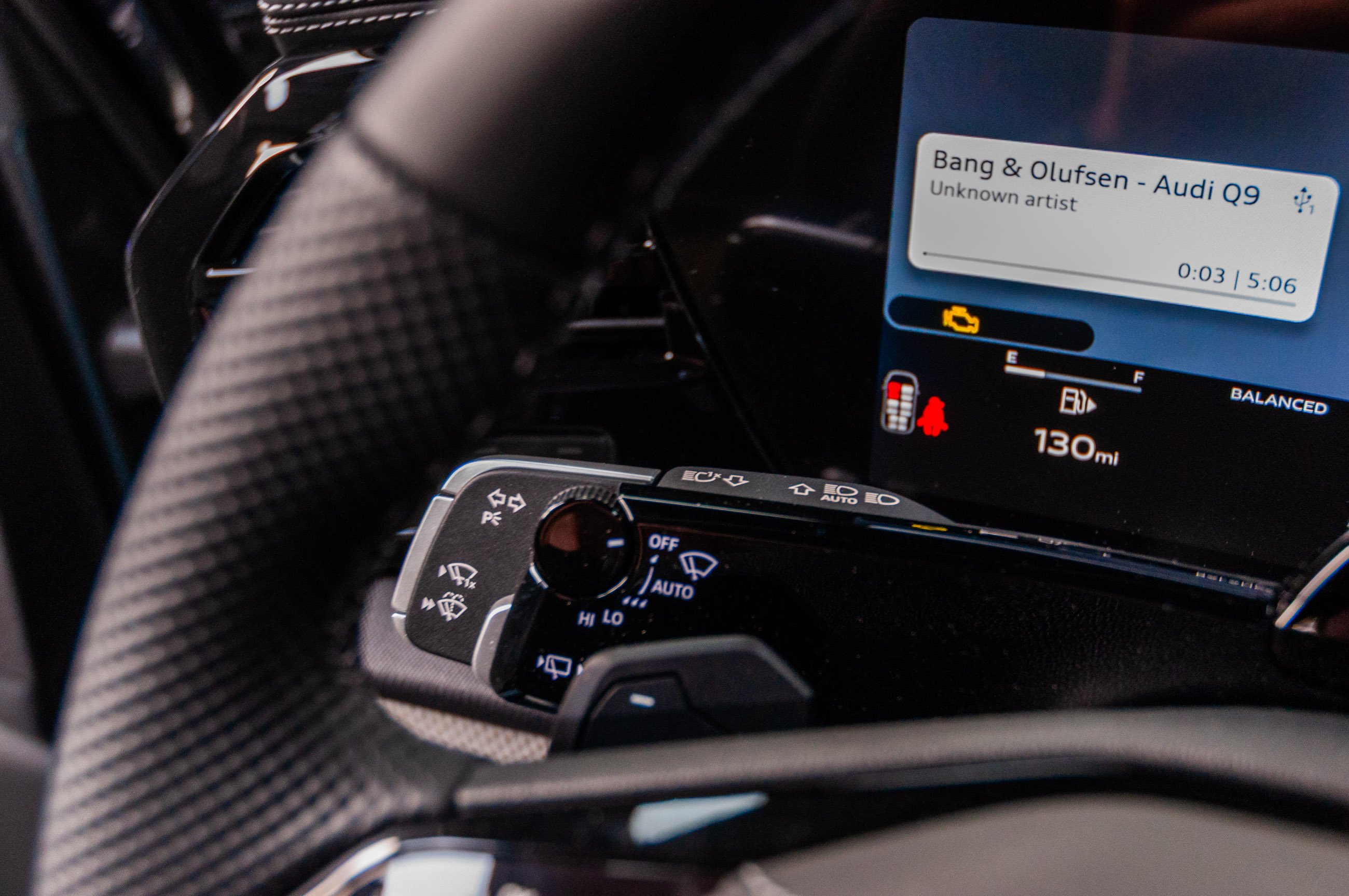
Gernot Döllner has been Audi's CEO for two and a half years, and he says the 2027 Q7 and Q9 are the first two products he truly shaped. At a May media preview in Munich, he explained that customer feedback drove a series of practical improvements across both SUVs. The list includes a reworked center console, cupholders sized for large Stanley tumblers, a switch back from touch-sensitive door panels to dedicated physical switches, optimized interior cooling, and adjustments to seating and the roof concept. Döllner emphasized that every change was made 'with a clear customer focus,' not for innovation's sake. These are the kinds of refinements that often go unnoticed in marketing materials but matter in daily driving. He also noted that this is the first time his influence has been so direct on a product, a sign that he is prioritizing function over flash. For a three-row family SUV, these are the details that separate a good vehicle from a frustrating one.
- Vehicle2027 Audi Q9
- ChangeDropped handle
- DetailPiezoelectric wing
Dedicated Switches Replace Smart Door Panels
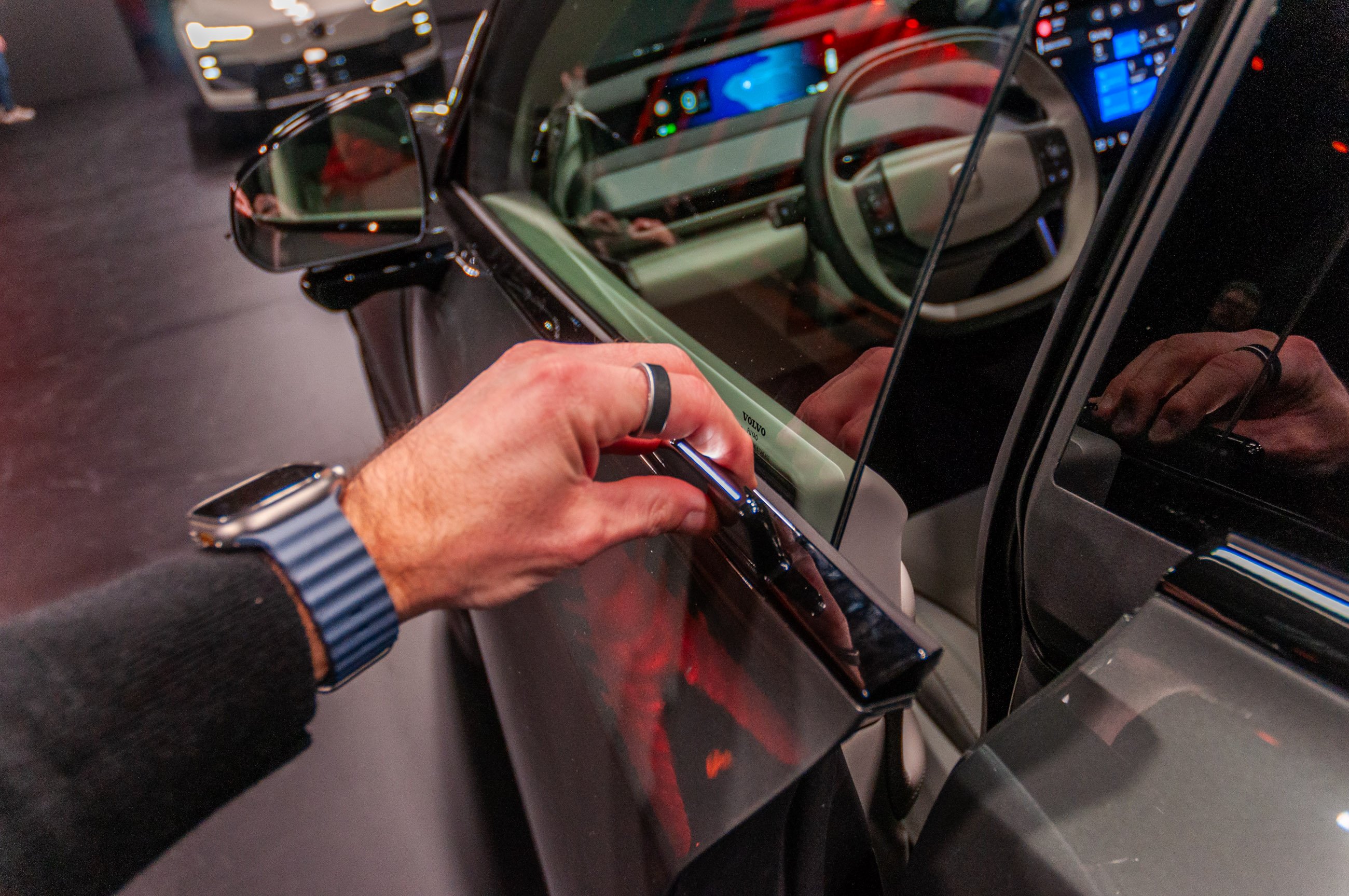
In the 2027 Q7 and Q9, Audi's CEO Gernot Döllner has replaced the "smart door panels" found in the A5, A6, and Q5 with "dedicated switches" – physical buttons that give a clear click when pressed. The decision came as part of a customer-focused review of the vehicles, which also led to changes in interior cooling and seating. The smart panels, which likely integrated controls onto a single smooth surface, are gone. In their place, drivers get distinct, raised buttons for window lifts, mirror adjustments, and door locks. This is a deliberate move away from the capacitive-touch trend that has swept through the industry, where automakers hide functions behind glossy surfaces or in submenus. For a full-size SUV designed for families, the benefit is clear: you can operate the controls without looking, even with gloves on. Döllner said the change was made with a "clear customer focus," and it shows in the way the cabin is laid out. The Q7 and Q9 now feature these conventional controls as standard, meaning every passenger will interact with physical switches rather than learning a new gesture language. The shift is notable because Audi had already invested in the smart panel design, but the CEO prioritized daily usability over technological flash. The result is a door panel that feels traditional, but in the best sense – it simply works.
- Vehicle2027 Q9/Q7
- ChangeCupholder design
- DetailStanley Cup sizes
An Innovative Design That Didn't Fit
The final validation drive for the Q9 almost left Audi with a door handle that was more about technology than usability. CEO Gernot Döllner tested a prototype equipped with the innovative handle, which used a piezoelectric wing to open the door electromechanically on a light touch. But the experience convinced him that the design was wrong for the market. In his words, it was 'worse than a conventional door handle' from a customer perspective, and it 'definitely does not work on a full-size SUV with requirements for everyday usage.' Döllner made the call to revert to a traditional mechanical handle, a decision that came late in development. While the change required significant engineering effort, the handle itself wasn't a lost cause – it will appear on a European car in a different segment.
- Vehicle2027 Q9/Q7
- ChangeDoor panels
- DetailDedicated switches
A Rework Beyond Door Handles
After joining Audi two and a half years ago, Gernot Döllner has had a direct hand in shaping the 2027 Q7 and Q9. He said these are the first two products where he made a real impact, and that impact came from taking customer feedback to heart. Beyond the door handle reversal, he ordered a comprehensive rework of the interior that includes optimized cooling, revised seating, and a rethought roof concept. The cooling system, for instance, was adjusted to work more effectively with the larger cabin of a three-row SUV, ensuring that rear-seat passengers don't bake on hot days. The seating was redesigned to offer better support and comfort over long trips, and the roof concept – likely referring to the panoramic sunroof or headliner design – was reworked to address noise or headroom concerns. These changes were made in parallel with the decision to replace the smart door panels and bring back dedicated switches, but they stand on their own as meaningful upgrades. The Q7, which sits below the Q9 in size, inherits every one of these fixes, so customers don't have to step up to the flagship to get them. Döllner's clear customer focus drove this overhaul, and it shows in the details that often go unnoticed until you live with the vehicle. For drivers, that means a cabin that feels cooler on a summer commute, chairs that hold up on a cross-country drive, and a roof that doesn't let in unwanted noise. These may not be headline-grabbing innovations, but they are exactly the kind of improvements that define daily usability.
- Vehicle2027 Audi Q9
- ChangeRegulatory context
- DetailChina ban not driver
Following a Trend, Then Reversing
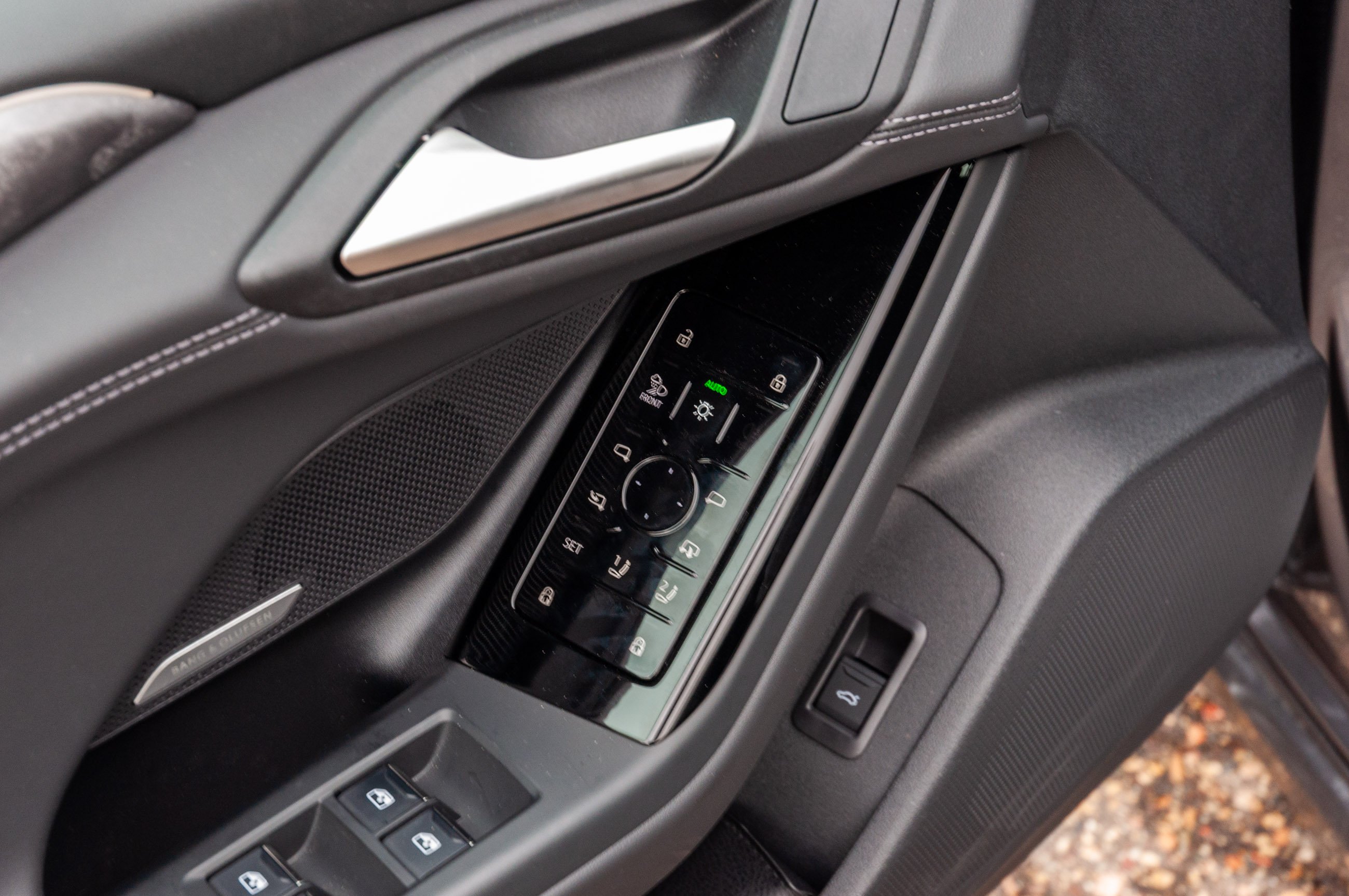
Audi's original plan for the Q9 was to join the movement toward electronic door handles, a trend seen on models like the Volvo EX60. These handles typically pop out or use sensors to open the door without a mechanical pull. But after a final test drive, Döllner decided the electronic system was worse for customers. He reverted to conventional handles, which he described as 'not an innovation, it's simply good.' The reversal was notable because it happened just 45 weeks before the Q9's reveal, and it required significant retooling. Döllner also noted that the decision was made in parallel with China banning unconventional door handles, but he insisted that wasn't the reason. Instead, it was a pragmatic call based on everyday usability. The Q9 now uses a standard handle that Döllner is proud of, proving that sometimes the simplest solution is the best.
- Vehicle2027 Q9/Q7
- ChangeInherited fixes
- DetailFirst products for CEO
The 45-Week Door Handle Reversal
The door handle that Audi scrapped for the Q9 was not a typical flush handle. It was a small wing that deployed from the door, activated by a piezoelectric physical effect – a touch on the surface triggered an electromechanical latch. Döllner described it as innovative, but after a final test drive, he concluded it was "worse than a conventional door handle" from a customer's standpoint. The decision to abandon it came just 45 weeks before the Q9's media preview in Munich. Normally, changing a door handle takes two years, but Audi's body engineers managed it in under one, even though the tooling for the original design had already been installed. Döllner called them "outstanding" and admitted luck played a role in the packaging working out. The innovative handle wasn't wholly discarded; it will appear on a European car in a different segment, where the touch-to-open interaction fits better. For a full-size SUV, as Döllner said, it "definitely does not work" for everyday usage. The change was made in parallel with China's ban on unconventional door handles, though Döllner stressed that was not the driving factor. In the end, the Q9 ships with a conventional handle – "not an innovation, it's simply good." The real innovation was the engineering team's speed in reversing a design decision that close to production.
- Vehicle2027 Audi Q9
- ChangeTimeline
- Detail45 weeks before reveal