What Australians Get Wrong About E-Bikes: Laws, Battery Reality, and the 25 km/h Line
From path legality to charging habits, the practical details that decide whether an e-bike works for you.
Are e-bikes legal to ride on bike paths in Australia?
Are e-bikes legal to ride on bike paths in Australia? Yes, provided the motor's maximum continuous power is no more than 250 watts and assistance cuts off at 25 km/h. Under these conditions, the law treats the e-bike as a bicycle, so no licence or registration is needed and bike paths are accessible. The key is that the power rating is continuous, not peak—so a motor with a higher peak output can still comply if its sustained output stays within 250W. Exceeding 25 km/h, even momentarily, reclassifies the vehicle as a road vehicle, triggering registration and licensing requirements. Practical implications: you'll notice the motor stop assisting at that cutoff, which is your cue to ease off. Australian regulations also mandate helmet use, proper visibility (reflectors and lights), and prohibit riding under the influence of alcohol. Models like the Smartmotion MidCity (commuter) and Hypersonic Neo (mountain) are designed to stay within this envelope, but the rule applies universally. Check the specification plate for the continuous power rating, not the peak number, and you'll know your e-bike's legal status.
How does pedal-assist actually work?
Pedal-assist means the motor only adds power while you're pedalling; it doesn't drive the bike on its own. Sensors detect crank rotation and deliver a boost that scales with your effort, making it easier to climb hills or maintain speed over long distances. This feature is what makes e-bikes accessible to riders who might struggle with a conventional bike's demands. The system is designed to cut out at 25 km/h in Australian-market bikes, keeping the ride within legal limits. Because the motor is supplemental, you still get exercise, but the effort feels like a fraction of what it would be unassisted. The range and intensity of that boost depend on which assistance level you select from the handlebar controls. All the electric bikes in the Smartmotion range operate this way, which is why they're classified as pedal-assist rather than throttle-controlled vehicles.
What range can I expect from an e-bike battery?
Range varies with riding conditions and the assistance level you choose, but a typical battery pack is built to survive over a thousand discharge cycles before needing replacement. Some models offer range extenders or allow you to carry a supplementary battery for longer trips. Charging takes three to eight hours from empty, and the manufacturer guidance is to charge indoors and avoid leaving the battery plugged in overnight. That means planning for a full charge before a long ride rather than relying on an all-night top-up. The actual distance per charge isn't a fixed number—it depends on factors like terrain, rider weight, and how much pedal effort you contribute. A commuter like the Smartmotion MidCity may cover a shorter urban route easily, while a fat-tire model like the Fatfish will draw more power on soft ground. Check the battery's amp-hour rating for a rough estimate, but real-world range will be lower than the marketing figure.
What types of e-bikes are there and which should I pick?
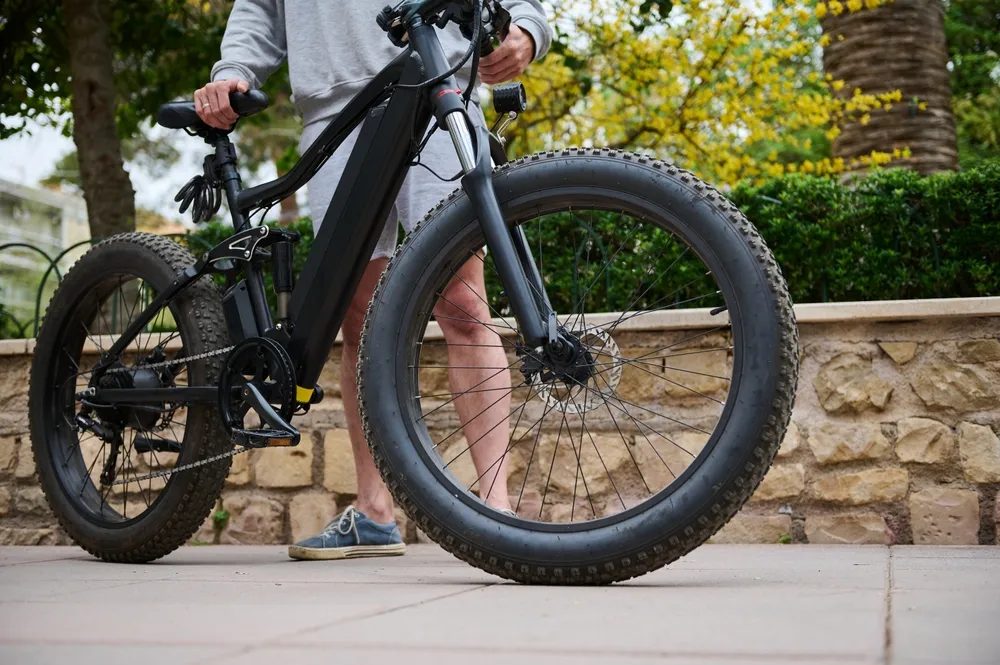
E-bikes are purpose-built for different riding surfaces, and choosing the right one starts with where you'll ride. The Smartmotion MidCity is a commuter bike designed for urban streets and bike lanes, with a geometry that favours quick trips. For off-road trails, the Smartmotion Hypersonic Neo brings mountain-bike features like suspension and knobby tyres. If storage or travel is your constraint, the foldable Smartmotion E20 collapses to fit in a car boot or a small apartment. For loose or rugged terrain, the Fatfish uses fat tyres that provide superior grip and stability on sand, snow, or gravel. Each type has different motor placement and gearing, so a test ride is essential. The Australian market carries all these styles, so there's no single 'best' bike—only the one that matches your primary surface and your comfort level.
How much should I spend to get a reliable e-bike?
Plan to spend between A$3,500 and A$7,500 for a high-quality e-bike that will hold up over thousands of kilometres. In that price band you get mid-drive motors, which place weight centrally for better balance, and batteries built to meet strict safety standards. Budget models might save you money up front, but they often use hub motors that feel less natural and cheaper cells that degrade faster. The Onyx is an example of a feature-packed model within this range, offering advanced display and motor control. Before committing, take a test ride—the feel of the motor's engagement and the bike's weight distribution can't be judged from a spec sheet. The Australian retail market has enough competition that you shouldn't have to pay more than A$7,500 for a top-tier commuting or trail bike, though some premium mountain bikes may exceed that.
How often does an e-bike need professional servicing?
Have the bike professionally serviced every 1,000 kilometres or every six months, whichever comes first. That interval covers drivetrain wear, brake adjustments, and a check of the electrical connections. High-quality batteries and components from reputable manufacturers meet rigorous safety standards, but that doesn't eliminate the need for regular attention. Improper storage—like leaving the bike in extreme heat or moisture—can damage the electrical system, so store it in a dry, sheltered spot. The motor and battery are sealed units, but cables and connectors can corrode or loosen over time. A professional service will also check torque on wheel and handlebar bolts, which can work loose under the added forces of motor assist. Skipping service at the 1,000 km mark risks accelerating drivetrain wear and could void warranty coverage on the battery and motor.
Can I ride an e-bike faster than 25 km/h, and what changes?
Yes, you can—the motor's assistance cuts off at 25 km/h, so you can pedal beyond that speed, but you'll be doing all the work without any electric boost. That 25 km/h figure is the legal threshold defined in Australian regulations: a motor that assists up to that speed and delivers no more than 250 watts continuous power qualifies as a bicycle. Once you exceed 25 km/h, even briefly, the e-bike is no longer classified as a bicycle; it becomes a road vehicle. That means you lose the conveniences that make e-bikes attractive, such as using bike paths without registration or a licence. Instead, you're subject to the same strict rules as motorists: you must wear a helmet, have proper reflectors and lights, and never ride after consuming alcohol. In practice, when the motor cuts out you feel a sudden loss of assistance—that's your warning that you've hit the limit. To avoid the hassle of registration and licensing, maintain a speed at or below 25 km/h and rely on the motor's support. The cutoff is precise, so monitoring your speedometer can help you stay within the legal envelope.
Why is it recommended to charge the battery indoors and not overnight?
Why is it recommended to charge the battery indoors and not overnight? Lithium-ion batteries in e-bikes are sensitive to extreme temperatures, so charging in a stable, indoor environment helps preserve their capacity and reduces the risk of damage. A full charge typically takes 3 to 8 hours, which means you can easily plan to unplug once it's done—for example, charging during the day while you're at work or doing chores. Leaving the battery connected overnight keeps it drawing a small current after reaching full charge, which stresses the cells and can shorten their lifespan. Although high-quality batteries meet strict safety standards and have built-in circuits to prevent catastrophic failures, it's still wise to monitor the process and charge on a non-flammable surface. Over the long term, proper charging habits contribute to the battery's longevity—most batteries last over a thousand discharges, so protecting each cycle matters. If you're planning a long ride, some models offer range extenders or supplementary batteries, allowing you to carry extra capacity without needing to risk an overnight charge. A timer or smart plug can cut power after the recommended charge time, and the battery should be stored in a cool, dry place when not in use. That way, you get the full benefit of your e-bike's range without compromising battery health.