Why Renault Chose Symbioz Over a New Captur for Australia
Renault says the larger hybrid SUV fits its Australian range better, with pricing, space and model overlap shaping the decision.
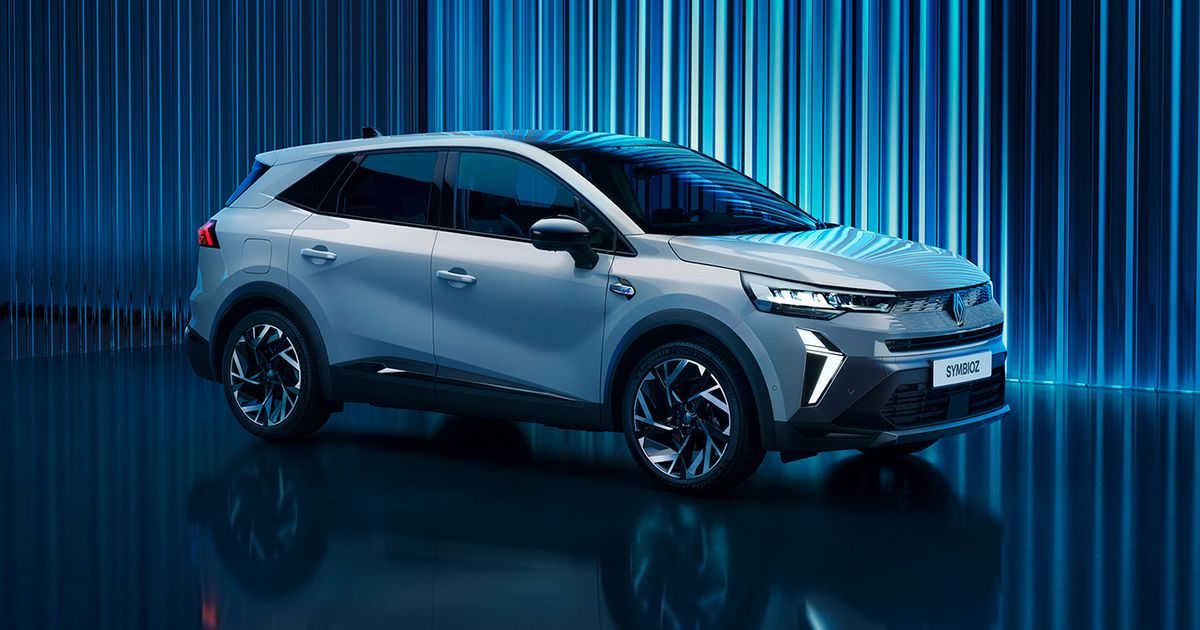
The Captur’s replacement is not a Captur
Renault Australia has chosen the Symbioz as its new small SUV rather than introducing the updated Captur. The decision closes a gap left after the Captur failed to receive its expected local update in late 2025.
Renault Australia general manager Glen Sealey said the Captur has not been ruled out permanently, but described the Symbioz as the stronger match for the brand’s current line-up. His comparison included the Duster, Arkana, Megane E-Tech and Scenic, each occupying a different position in Renault’s Australian showroom strategy.
That makes the change more than a simple model-year replacement. The Symbioz gives Renault a fresh vehicle with a larger footprint and electrified powertrains, while avoiding another small SUV that would sit too closely to models already available through the wider Renault-Nissan-Mitsubishi group. Sealey’s position was direct: Captur remains possible, but Symbioz is the model Renault will sell in Australia now.
Extra cabin space changes the contest
The Symbioz measures 4412mm long, while the Captur is 4238mm. That difference gives Renault a more substantial vehicle for buyers who want small-SUV dimensions without giving up useful interior room.
Boot capacity is almost 100 litres greater in the Symbioz, a practical distinction for luggage, shopping and everyday family use. It also moves Renault closer to vehicles such as the Toyota Corolla Cross Hybrid, rather than competing only in the smallest part of the SUV market.
Size matters particularly because Australian buyers have increasingly broad expectations of compact SUVs. A car that carries more cargo can cover duties that would expose the limitations of a smaller model, while its larger body gives Renault a clearer step between the Captur and the Duster. The result is a vehicle positioned around usable space as much as styling or badge appeal.
Hybrid power gives Symbioz a different role
The Symbioz is Renault Australia’s first model with a plugless hybrid powertrain. Its full-hybrid system uses a 1.4kWh lithium-ion battery and can drive the vehicle on electric power alone, while the range also includes a mild-hybrid version.
That combination gives Renault two forms of electrification without requiring charging equipment. The full hybrid targets buyers seeking lower fuel use in everyday driving, while the mild hybrid provides a simpler entry into electrified motoring. Renault has also emphasised real-world fuel economy and equipment as part of the vehicle’s local positioning.
Hybrid versions of the Captur exist overseas, but the Symbioz’s larger body made the newer model more attractive for Australia. The decision therefore links powertrain technology with vehicle size: Renault is not merely adding a hybrid small SUV, but choosing one with enough room to challenge established family-oriented competitors.
Price separates it from the related ASX
The Mitsubishi ASX already occupies the market position that an updated Captur might have filled. It is based on the newer Captur, creating an obvious overlap for Renault if both vehicles were introduced locally in similar form.
The Symbioz instead arrives with a lower starting price than the base ASX. Mild-hybrid Symbioz models begin at $36,990 before on-road costs, compared with $37,740 plus on-road costs for the entry ASX. That pricing gives Renault a clear distinction before equipment or powertrain comparisons begin.
The ASX nameplate also no longer carries the sales momentum associated with its earlier Australian success. Mitsubishi sold 1110 examples of the new Renault-based ASX in the first seven months of 2026, an 85.2 per cent year-on-year decline. Renault’s choice places a newer, larger hybrid SUV beside that result rather than directly reproducing the same proposition.