Could Contaminated E20 Be Behind Your Car’s Fuel-System Failure?
Chloride and moisture contamination has been linked to rising component failures, while manufacturers and regulators push for tighter fuel-quality controls.
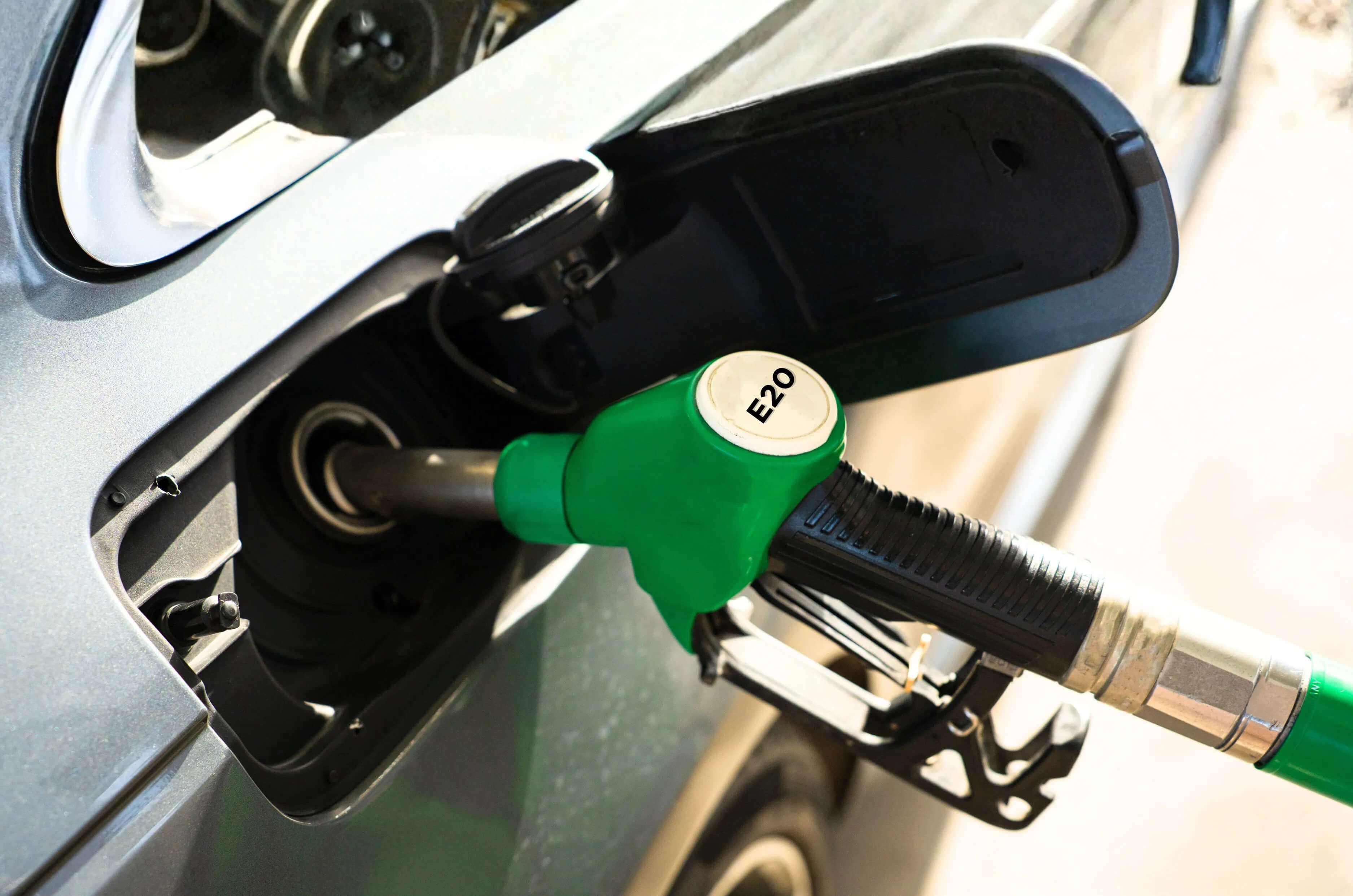
Can contaminated E20 damage a vehicle’s fuel system?
Yes. Automakers have reported a significant increase in replacement of fuel-system and exhaust-related components, with fuel injectors and fuel pumps among the parts identified in field findings. Excess chloride is a key contributor: combined with moisture, it can form an acidic mixture that corrodes precision parts exposed directly to petrol. Corrosion and wear can produce immediate damage or accumulate into longer-term deterioration, so the failure may appear as a component problem rather than as a visible fuel-quality fault. The reported concern involves E20 petrol, not a claim that every vehicle using the blend will fail. The issue has been associated with contaminated samples and specific pockets of the country. Automakers raised their findings during discussions involving the Ministry of Petroleum and Natural Gas and oil marketing companies, after replacement activity increased. The clearest repair signal is fuel-contact hardware, rather than a blanket diagnosis for every engine.
How can moisture create problems inside an E20 fuel tank?
Moisture can destabilise E20 by causing phase separation, in which the ethanol-water mixture settles at the bottom of the tank and may be drawn into the engine during operation. Industry assessments have reported water contamination above the permissible limit. Excess water therefore creates more than a storage-quality concern: it can change the composition of the fuel reaching the engine. Ethanol’s hygroscopic nature makes the blend more likely to absorb moisture from its surroundings, particularly when fuel-handling equipment allows water ingress. Once the separated mixture reaches the fuel system, the resulting exposure can add to corrosion and operating problems. The important mechanism is phase separation at the tank bottom, where the heavier ethanol-water layer can be picked up during vehicle use.
Where are chloride and water entering the fuel supply?
Ageing fuel infrastructure is the leading suspected route, with storage tanks, pipelines, fuel tankers and other handling equipment identified as possible contamination points. Water ingress can carry chlorides into the supply, while ethanol’s hygroscopic nature allows the blended fuel to absorb moisture. Petrol-pump operators have specifically raised concerns about older underground storage tanks during the monsoon and in coastal regions, where moisture exposure may be greater. The problem has appeared in certain pockets of the country, especially in the north, rather than as a uniformly reported national condition. That pattern points to local infrastructure and handling conditions as important variables. A contaminated vehicle tank does not necessarily establish where the contamination entered; the relevant chain includes storage, transport and retail equipment before the fuel reaches the car. The infrastructure age and surrounding conditions are therefore central to the investigation.
How widespread is the E20 contamination problem?
The petroleum ministry said only two cases of chloride contamination had been found across the country when it responded to the reports. Sales from both pumps were suspended immediately, according to the ministry’s statement. That national figure sits alongside industry findings that identified contamination in vehicle-tank and retail-outlet samples, with some reported chloride readings reaching hundreds of parts per million. The two statements describe different parts of the issue: the ministry’s figure concerns confirmed cases found through its checks, while industry investigations reported elevated readings in particular samples and locations. The available evidence therefore supports a serious but geographically concentrated contamination concern, not a finding that all E20 petrol is contaminated. The ministry also said strict action would follow any contamination or adulteration discovered at a retail outlet, with oil marketing companies instructed to look across the wider fuel supply chain.
What checks are being carried out at petrol pumps?
Oil marketing companies have been instructed to strengthen on-ground monitoring across the retail network. The ministry said water-ingress testing had been instituted between eight and twelve times a day at more than 87,000 outlets, alongside existing testing protocols. It also reported that more than 2,000 samples had been tested for chloride and sulphide. These checks are intended to identify contamination before affected fuel remains on sale, while the wider supply chain is examined for the underlying cause. The ministry said sales were suspended immediately at pumps where chloride contamination was found and that strict action would apply to contamination or adulteration. The testing response therefore has two tracks: repeated checks at outlets and proactive investigation of storage, transport and handling stages. The stated monitoring programme is broader than a single inspection after a vehicle failure.
What fuel-quality changes is the automotive industry seeking?
SIAM has urged the government to make chloride limits mandatory in BIS fuel specifications for commercial E20 and E85, as well as for anhydrous ethanol used in blending. The organisation said it had raised the issue with BIS for more than two years without implementation. SIAM has also called for regular audits of older fuel stations, stricter checks across the retail network and mandatory chloride limits for diesel, where the parameter remains optional. The proposals target both the contaminant and the infrastructure that may allow it into fuel. Mercedes-Benz India separately urged tighter fuel-quality checks after reporting contamination-related damage to vehicle components in some cases. Together, these requests reflect an industry push for a defined chloride requirement and more frequent scrutiny of ageing stations. The Centre has asked oil marketing companies to strengthen monitoring while investigations into the contamination’s root causes continue.