One-Second Shifts Can Create Years of Transmission Trouble
Moving between directions, selecting Park, and leaning on electronic safeguards can all impose avoidable stress on a vehicle's drivetrain.
Why transmissions do not all react alike
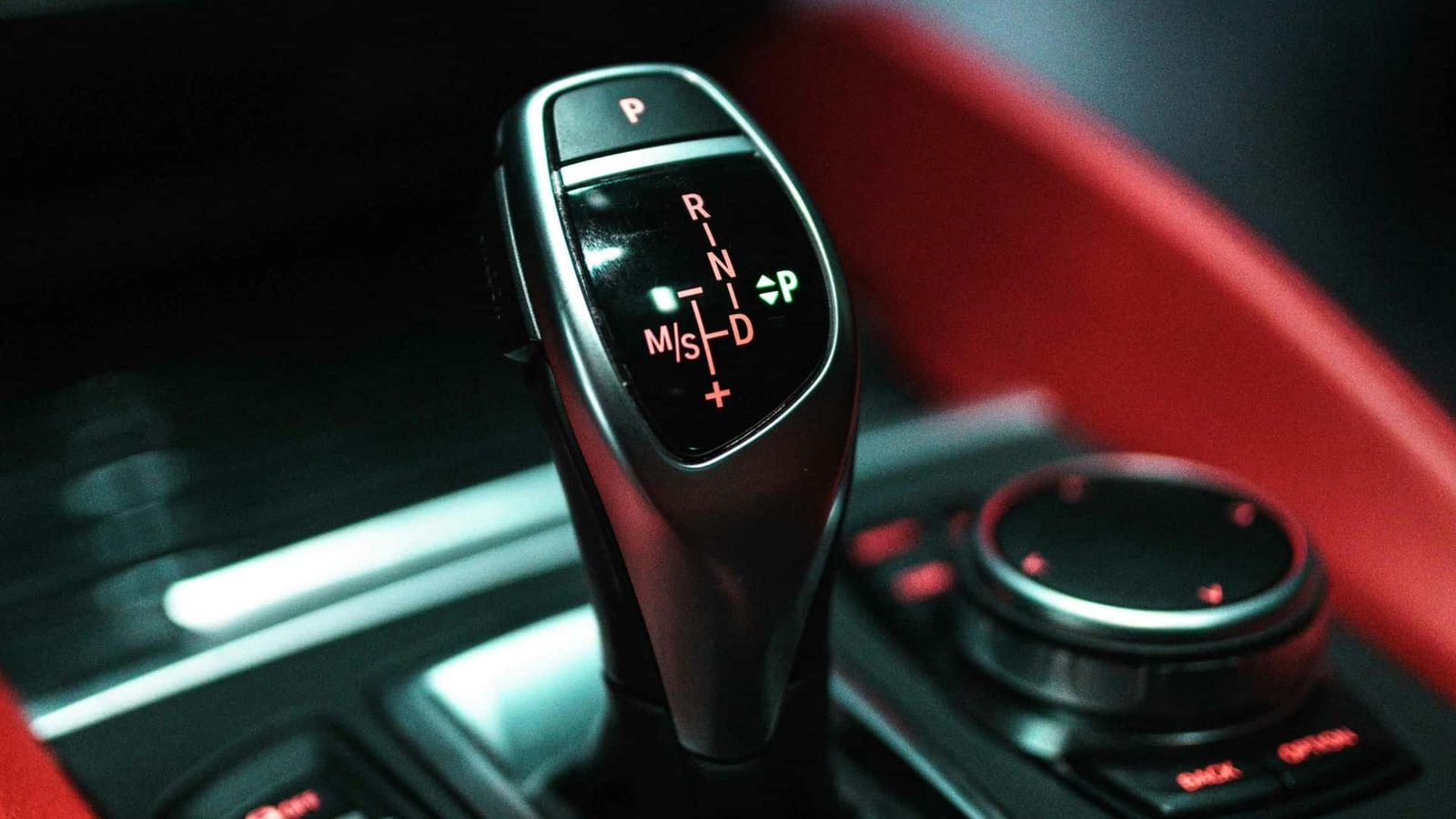
The mechanical response to a moving direction change depends on the vehicle. Traditional automatics, continuously variable transmissions, dual-clutch transmissions, and hybrids use different designs, so one vehicle may delay or block a command that another handles differently. That variation is no reason to guess: the consistent rule across many owner’s manuals is to stop completely before selecting the new direction.
Hyundai’s warning is unusually direct
Hyundai’s current owner information tells drivers to stop completely before selecting Reverse or Drive. It also warns that shifting back into Drive while the vehicle is moving can severely damage the transmission. The instruction targets a familiar parking-lot shortcut: allowing the vehicle to roll backward, then choosing forward motion before the tires have stopped. Hyundai’s guidance treats the pause as part of normal operation, not as an optional precaution for older cars.
Accidental input versus deliberate abuse
An accidental selection of Reverse while moving forward may be blocked by a modern automatic’s safeguards, preventing the commanded gear from engaging destructively. Deliberately shifting direction while moving and applying the throttle is a different case. Protective electronics are there to manage certain mistakes, not to make repeated abuse acceptable.
Park is not a moving brake
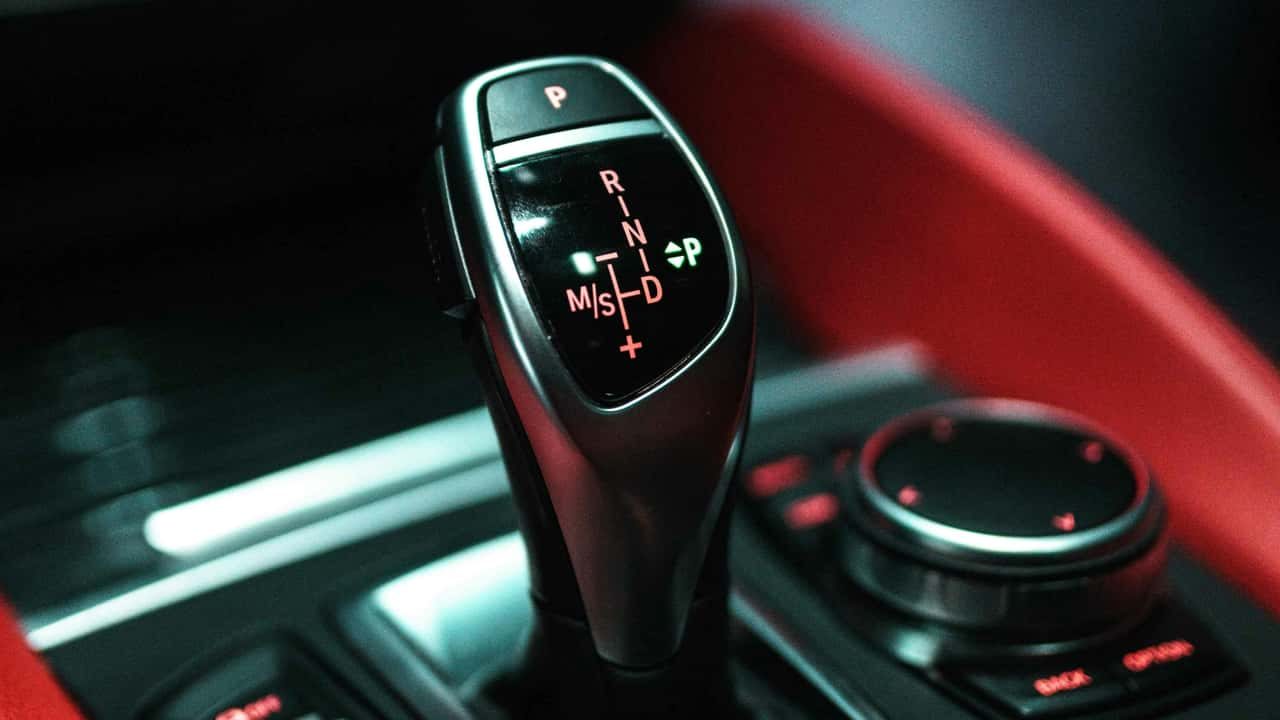
Park’s mechanism is meant to hold a stationary vehicle, not stop one that is still moving. Selecting Park while rolling therefore makes the parking mechanism restrain existing motion instead of simply holding the vehicle after it has stopped—a different failure mode from switching between Drive and Reverse.
Safeguards are not permission to test them
Modern transmissions use electronic controls and protective strategies that may delay or block some destructive gear commands. Automatic transmissions, continuously variable transmissions, dual-clutch systems, and hybrids can respond differently to the same selector input. Those differences make the vehicle’s own instructions more important, not less. A safeguard can limit the consequence of an accidental command, but repeatedly relying on it still treats a protection system as a driving technique.
Slow creeping is not the same as speed
A discussion on r/cars drew a useful line between barely perceptible movement and a faster reversal. Commenters argued that a healthy modern transmission is unlikely to be destroyed by an almost imperceptible creep, while deliberately selecting the opposite direction at several miles per hour and applying throttle is far more abusive. The distinction does not erase the stop-first rule; it explains why the severity of the mechanical load depends heavily on the vehicle’s speed and the driver’s input.
An accidental command may be blocked
In a separate r/MechanicAdvice discussion, commenters described how many modern automatic transmissions can prevent an accidentally selected opposite gear from engaging destructively while the vehicle is moving forward. That protection can explain why a driver hears no catastrophic noise after a mistake. It does not prove that deliberate misuse is harmless, nor does it show that every transmission responds identically. The immediate outcome can be uneventful even when the input was inappropriate.
Wear can outlast the mistake
Transmission abuse does not have to produce an immediate failure. Repeated harsh engagements can contribute to wear that remains unnoticed until months or years later, making the original driving habit difficult to identify when a problem finally appears. One accidental shift is not presented as an automatic death sentence for a transmission. The practical ownership issue is repetition: changing direction while the vehicle rolls adds stress that costs nothing to avoid by stopping first.