Ford Ranger Owners Face a New Airbag Campaign Across Dual-Cab Models
Ford is contacting owners over a potential safety issue affecting the deployment of side curtain airbags.
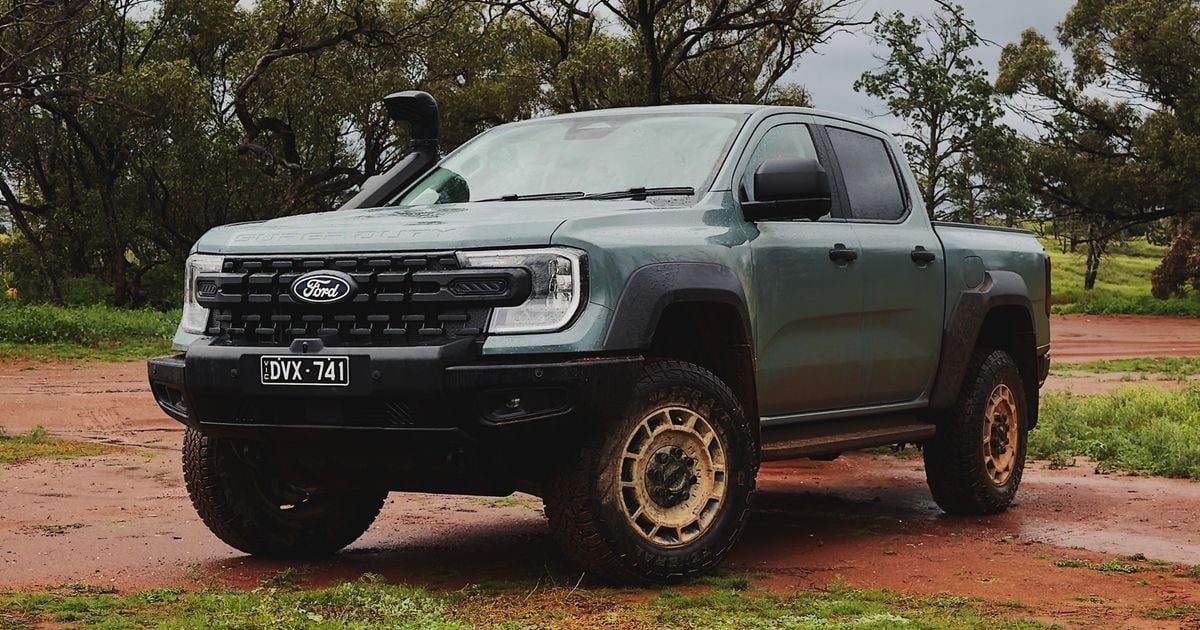
What exactly is the Ford Ranger safety problem?
A side curtain airbag may interact with the B-pillar trim while it is inflating. Ford Australia says the airbag may then fail to deploy as intended in a crash. If that interaction happens, the B-pillar ramp may detach and increase the risk of injury to occupants. The problem is therefore centred on the relationship between the curtain-airbag deployment path and the trim beside it, not on a general failure of every restraint system. That distinction matters when reading the campaign: the identified risk is conditional, arising if the interaction occurs during deployment. Ford’s wording describes a possible safety consequence rather than a reported crash outcome. The B-pillar is the trim area beside the occupants, making its position relevant to how the curtain airbag opens through the cabin. The campaign addresses that deployment condition before it becomes an injury event.
Which Ford Ranger models are covered?
Coverage is limited to dual-cab Ford Ranger variants built between late 2025 and mid-2026. Ford Australia includes the Ranger Hybrid, Ranger Raptor and Ranger Super Duty, alongside other dual-cab grades produced in that window. Single Cab and Super Cab models are excluded. A Ranger badge alone is insufficient to identify coverage because the cab configuration controls eligibility. The named grades show the campaign is not limited to conventional versions; hybrid, performance and heavy-duty variants are all expressly within it. Owners need the vehicle’s body style and build record, not merely its model name, to compare against the stated scope. Ford has not said earlier Rangers are included, nor has it extended the action to other body configurations. The practical division is between dual-cab vehicles in the stated build range and the two excluded cab styles, within the manufacturer’s published eligibility description.
Has Ford issued an official recall notice?
No formal government recall notice had been issued when Ford Australia began contacting owners. Ford said it identified the condition through routine vehicle testing and had recorded no customer incidents. That sequence makes the campaign manufacturer-led at the time of owner outreach, with company communication preceding formal government publication. The lack of a recorded customer event describes the known history; it does not remove the potential safety consequence being addressed. Ford’s account does not link the action to a reported crash or injury. The pending notice explains why an owner may receive a Ford message before finding a corresponding government entry. The company had moved from detection to communication, but the public recall record had not yet caught up. For readers tracking the campaign, the key distinction is between Ford’s direct owner contact and the separate government notice process. The available status was therefore active manufacturer outreach before formal government notification.
Who should Ranger owners contact?
Owners can contact their preferred Ford dealer or Ford Australia on 13 36 73 about the campaign. The dealer is the local route for handling the vehicle, while the manufacturer’s national number is the direct Ford Australia channel. Those are the two contact options identified for concerned Ranger owners. The campaign concerns a defined group of vehicles, so the conversation is about the manufacturer’s identified action rather than a general Ranger enquiry. A preferred dealer can address the vehicle locally; Ford Australia can handle the enquiry centrally on the listed number. No additional contact service is identified. Owners seeking information can start with the dealer they prefer or the national Ford Australia line. Both routes lead to the company responsible for communicating the campaign and arranging the next step for an affected vehicle. The published telephone number is the manufacturer route, not a dealer number.
How does this campaign compare with earlier Ranger recalls?
Seven recalls have involved the Ranger in the past 12 months. It has also been Australia’s top-selling model for the past three years, giving the latest campaign a place in a broader record for a high-volume vehicle. The most recent earlier action covered 2018-2020 Ranger and Everest vehicles fitted with the 10-speed automatic transmission. That campaign affected 136 vehicles nationally. Its transmission-based scope and smaller affected population distinguish it from the present action, which is a separate campaign. Recall counts should therefore be read alongside the component and vehicle group involved, rather than treated as one continuing fault. The earlier campaign was not a broad action across every Ranger and Everest; it was tied to vehicles with the specified automatic transmission. The current campaign adds to the model’s recall history, while the 136-vehicle figure belongs to the preceding transmission recall.