Ford’s Fathom Faces a Tougher Test Than Its Louisville Factory Reset
Ford’s affordable electric truck must close a capability gap while production volume and dealer markups determine whether its new manufacturing strategy can reach buyers.
Louisville’s Electric Reset Starts With the Fathom
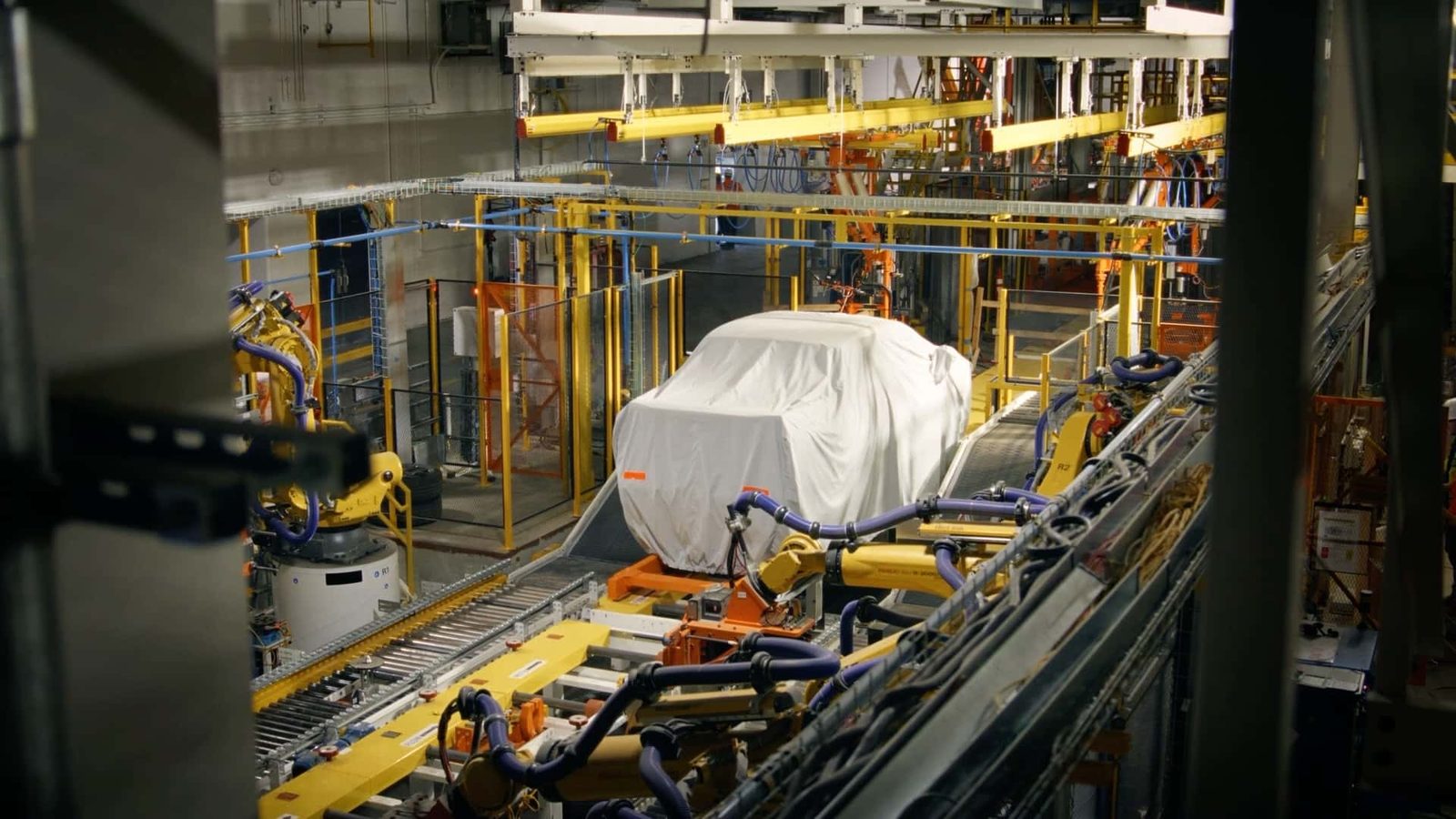
Ford is turning a 70-year-old Kentucky vehicle plant into the launch site for a truck intended to make electric pickups more accessible. Fathom prototypes are scheduled to begin rolling out of Louisville Assembly Plant in the first quarter of 2027, after the facility spent decades producing gasoline-powered vehicles including the Escape and Lincoln Corsair.
The shift matters because the Fathom is expected to start at $28,350, placing it near the territory occupied by compact gas pickups rather than premium electric trucks. That price also gives Ford a narrow margin for production mistakes. A low sticker can attract attention, but buyers will judge the truck on usable range, charging time, cargo capacity, and whether dealers can deliver it without long delays or inflated prices.
The Fathom is therefore more than another electric model. It is a test of whether Ford can combine a mass-market price with a manufacturing system designed specifically for battery-powered vehicles. The first answer will come from Louisville, not the showroom.
A Factory Rebuilt Around Separate Vehicle Sections
The Louisville conversion required a physical reset before the new truck could be assembled. Demolition crews removed 25,000 tons of legacy manufacturing equipment in more than 2,600 truckloads, while 230,000 square feet of new concrete floor space was prepared for Ford’s Universal EV Production System.
That system replaces the familiar single moving line with an “assembly tree.” Workers build the front and rear sections independently, while a third section carries the structural battery, seats, consoles, and carpeting. The three portions are joined near the end with bolts and adhesives.
The arrangement changes more than the factory floor. A seat can be installed on the rear section before the surrounding structure blocks access, and the dashboard can be fitted while operators stand directly in front of the front section. Ford chief manufacturing officer Bryce Currie said the process was designed to reduce twisting, turning, and bending. Ford expects net assembly time to fall by 15%, although the method must still prove itself against a moving-line process refined for more than a century.
Software Checks Move Earlier in the Build
Ford is installing and updating software on individual vehicle computers before they are installed. Faster factory internet lets workers test the modules during assembly, catching problems earlier than the old process, when fixing a software issue could take 10 minutes per vehicle.

Existing Electric Pickups Show the Capability Gap
The Chevrolet Silverado EV and Ford F-150 Lightning establish the performance range the Fathom will enter from below. The Lightning uses dual motors, standard all-wheel drive, and produces as much as 580 horsepower depending on configuration. Its extended-range battery can exceed 300 miles under suitable conditions, while its Pro Power Onboard system turns the truck into a mobile generator.
Chevrolet’s Silverado EV takes a different route. GM claims up to 400 miles of range, and the truck’s independent rear suspension is intended to improve ride quality. Its Multi-Flex Midgate can open the rear wall and extend the usable loading area into the cabin. Four-wheel steering and hands-free trailering add capability, but early Silverado EV availability is arriving in phases.
Those trucks are not direct price equivalents. They show what established electric pickups can offer in power, range, storage, and towing assistance. The Fathom will not need to match every figure. It will need to deliver enough range and work capacity that its lower price feels like a practical advantage rather than a compromise that appears every time the truck leaves town.
Production and Dealer Markups Could Decide the Outcome
Ford’s manufacturing redesign addresses one risk: building the truck efficiently. The other risk begins after production. A low-cost electric pickup succeeds only if customers can actually find one, order one, and buy one near its advertised price.
Preorders are not scheduled to open until early 2027, leaving Ford time to shape its retail strategy. Dealers could prioritize higher-priced F-150s and Expeditions instead of explaining the Fathom, limiting its visibility even when inventory exists. Markups create a separate problem: a truck advertised below $30,000 could approach $40,000 or more if retailers attach large premiums to early demand.
The F-150 Lightning’s production disruptions have already shown how quickly interest can be weakened when supply is inconsistent. The Fathom’s Universal EV platform may streamline assembly, but reliability at scale will matter more than the factory concept on launch day. Ford’s decisive task is simple: produce enough trucks, publish the capability details buyers need, and prevent the retail price from drifting far above the one that made the model newsworthy.