The Physics of Survival: Why Large SUVs Dominate the Zero-Death List
The IIHS's latest mortality study reveals the six vehicles with zero recorded driver deaths—and the smaller, faster models where risk multiplies.
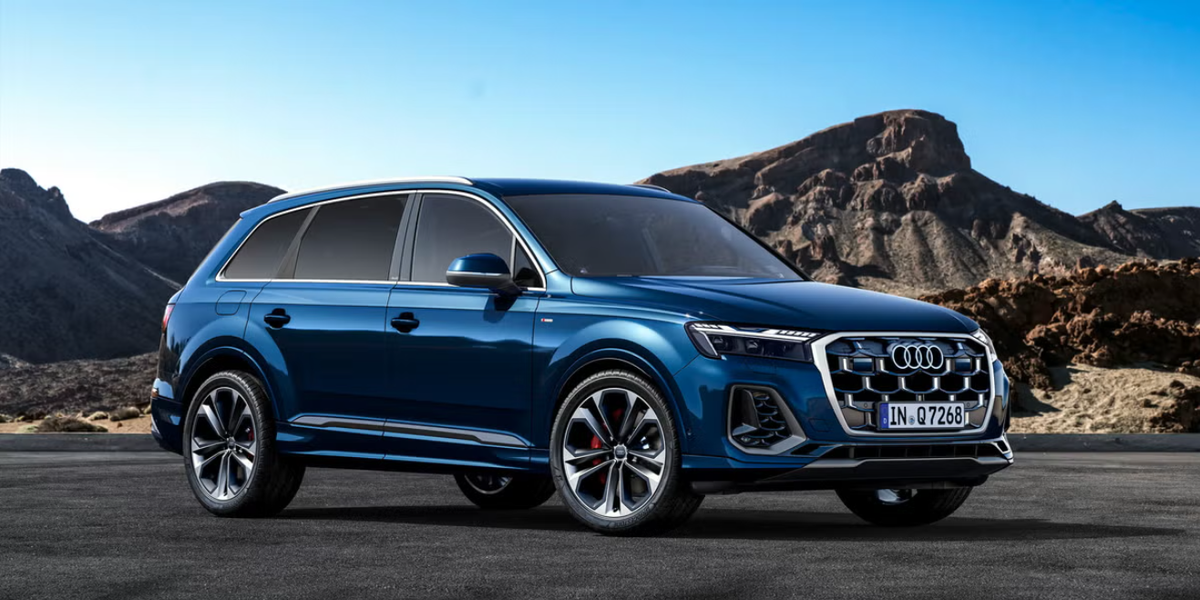
The Six with Perfect Records
When a buyer says they just want to be safe, the data now has a clear answer, and it's a heavy one. The Insurance Institute for Highway Safety's latest mortality study identified six vehicles with zero deaths over the 2021-24 model years. The list includes the Audi Q7 AWD, BMW X7 4WD, Chevrolet Tahoe 4WD, Mercedes-Benz GLB-Class 4WD, and Toyota Tundra CrewMax 4WD. Notably, the only non-4WD vehicle on the list is the Mercedes-Benz GLE-Class 2WD.
All but one are SUVs, and the outlier is a full-size pickup truck. That is not a statistical accident but a mechanical reality. IIHS President David Harkey framed it directly: "Size and power matter, as do vehicle crashworthiness and effective crash avoidance systems." The agency measures this using deaths per million registered vehicle years—meaning a single vehicle registered for three years counts as three registration years. For these six, that number is zero.
The Danger of the Sports Car Trade-Off
The statistics paint a grim picture for performance models. The Chevrolet Camaro posted 88 driver deaths per million vehicle-years, while the Corvette logged 82. More than half of the 2023 model-year vehicles with the highest driver death rates are classified as small cars, sports cars, or muscle cars. The IIHS analysis points to a specific cause: the drivers these vehicles attract, not just the physics of the cars themselves. Harkey attributed the risk to "powerful engines and marketing that attracts aggressive drivers," adding that they are "dangerous mainly because of how they're driven."
Even a commuter sedan suffers from driver behavior. The Chrysler 300 2WD had a driver death rate of 132 per million vehicle-years, while the Dodge Charger Hemi 2WD hit 127. The Kia Forte rounded out the high-risk list at 120. The common denominator is a combination of accessible power and demographics that push speed limits, a factor that no airbag count can offset.
The Weight of What You Hit
Safety has two sides: protecting the driver and protecting everyone else on the road. On the latter metric, Stellantis models dominate the list of the most lethal vehicles toward others. The Ram 3500 crew cab long bed 4WD holds the top spot with 204 deaths of other drivers per million vehicle registrations per year. The Dodge Charger Hemi 2WD follows with 161, and the Chevrolet Silverado 3500 crew cab 4WD registers 126. Even safe drivers in heavy trucks risk turning a routine path into a hazard for smaller cars. The Ram 2500 crew cab variants range between 102 and 113 other-driver deaths per million vehicle registrations per year. Even the Cadillac XT5 2WD, a luxury crossover, posts 100. Buying a vehicle that protects you absolutely often means the other vehicle's occupants pay the price physically.

Reading the Data's Blind Spots
The IIHS study is rigorous but not absolute. The agency adjusted the figures to account for age and gender, as men are involved in more crashes and older drivers are more likely to die in a given crash. However, the data does not adjust for speed, daily mileage, or impaired driving. An analyst at the IIHS noted that a greater proportion of new or inexperienced drivers may choose cheaper vehicles, and those working double shifts may log far more miles than affluent drivers.
This means the 170 rating for the Kia Rio reflects the environment in which that car is typically driven as much as the car itself. A luxury SUV buyer living a low-mileage suburban life sees different statistical weather than a rideshare driver navigating dense urban highways at all hours. The safest choice is not simply the vehicle with the safest sticker, but the one matched to the actual road conditions and miles the owner will face.