The Rivian R2 Drifts Like a BMW M3 — Then Blows a Tire on the Track
Kyle Conner took a new R2 to a track, switched off the nannies, and discovered an electric SUV that slides on command until the rubber gives out.
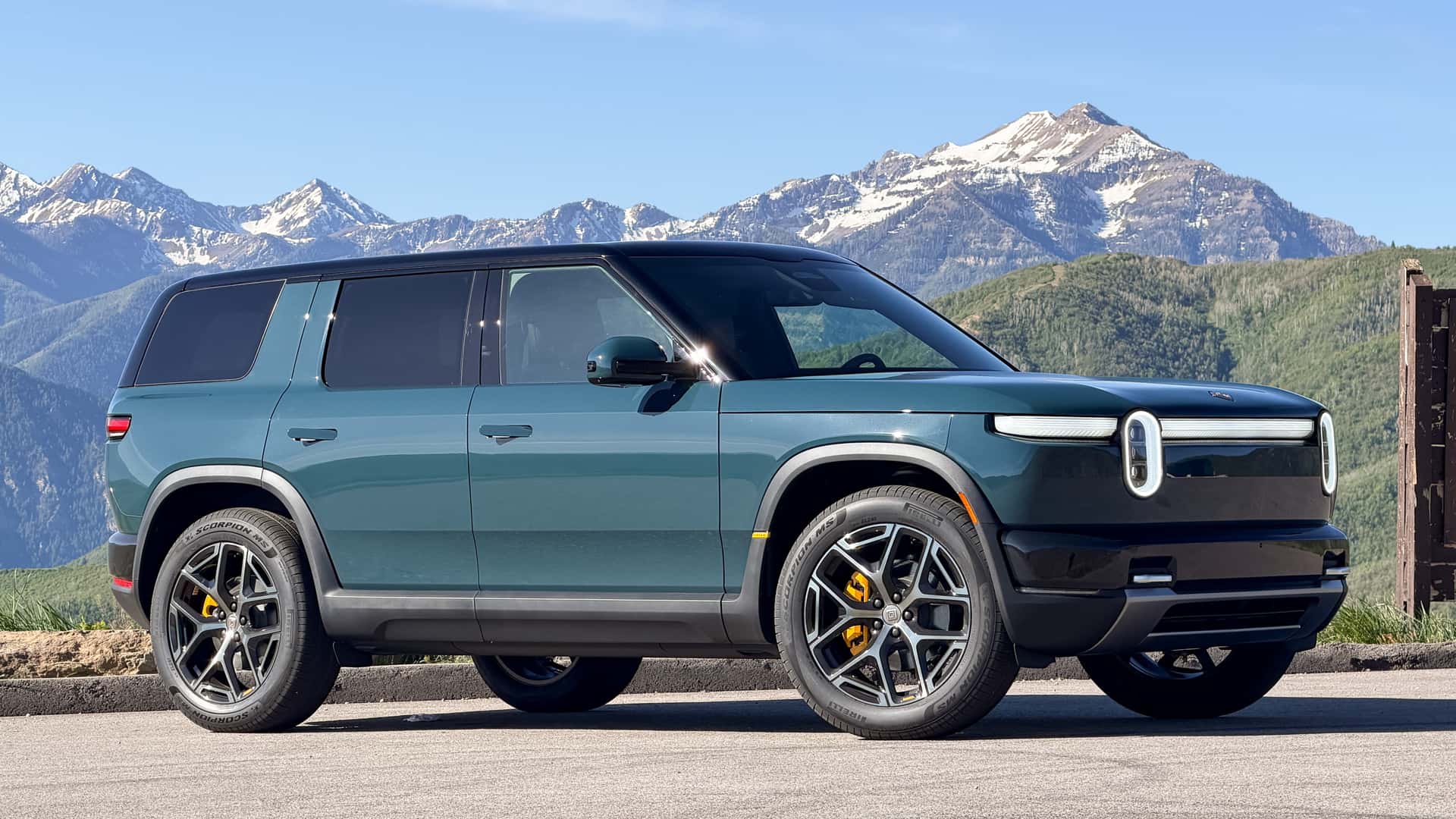
A Surprise at the Track
The Rivian R2 has a reputation for crawling over boulders and wading through mud, not for leaving smoky tire marks on asphalt. So when Kyle Conner of Out of Spec Studios borrowed one from its very new owner and headed to a pavement track, nobody expected an old-school BMW M3 impression. But that's exactly what happened. Conner has been testing the R2 for its real-world habits — earlier runs showed that while the highway range is nothing stellar, the 400-volt battery system charges remarkably well. This time, he wanted to see how the SUV behaves when the corners tighten and the surface turns to tarmac. He found a vehicle that flips the script on what an electric family hauler can do. With the stability control left in its default, calmest setting, the R2 is a safe, easy car to drive quickly. The traction systems meter out power so aggressively that you can pin the accelerator through a corner without drama. But Conner didn't stop there. He began dialing the safety nets back, and that's when the R2 started showing its other personality — one that would make even Chris Harris crack a grin.
Stability Control Off, Tail Out On Command
With the stability control wound all the way down, the R2 displays lift-off oversteer on demand. Enter a corner hot, lift off the accelerator, and the rear steps out in a balanced, manageable slide. Conner found he could hold any slip angle he wanted — straighten it out or keep it drifting, the R2 stays predictable and composed. For an SUV, it behaves more like a Miata on track than a tall, heavy electric vehicle. The key is how naturally the weight transitions. The R2 responds to throttle and steering inputs with a level of communication that most crossovers never approach. Conner could pick his drift, hold it, and then pull it back — no surprises, no panic corrections. That kind of adjustability is rare in any car, let alone an electric off-roader. The secret seems to be the low center of gravity from the battery pack and a chassis tuned with real care. Conner called it one of the most fun EVs he's ever driven, alongside the Porsche Cayenne EV. It's a bold statement for a machine whose primary job is carrying kids and cargo to a trailhead.
Heat, Temperatures, and a Tire That Gave Up
After several laps of sustained sliding, the instrumentation started showing rising battery and brake temperatures. The R2 wasn't complaining — it kept delivering consistent behavior — but the hardware was working hard. The passenger-side rear tire was the first to surrender. It tore itself to pieces, ending the day's drifting in a cloud of shredded rubber. The culprit is the rubber itself: the R2's economy-minded Pirelli Scorpion tires are designed for range and gravel, not for sustained track abuse. They have the grip to get you to a campsite, but they're not built to survive repeated lateral loads and heat buildup. A stickier set of performance tires would likely have lasted longer, though even then, few SUVs of any kind would hold drifts like this until the tires give out. The blowout wasn't a failure of the vehicle's dynamics — it was proof of how hard Conner pushed. For a production electric family SUV, the R2 took the punishment without mechanical complaint. The only casualty was a single tire, which was never meant for this sort of tomfoolery in the first place.
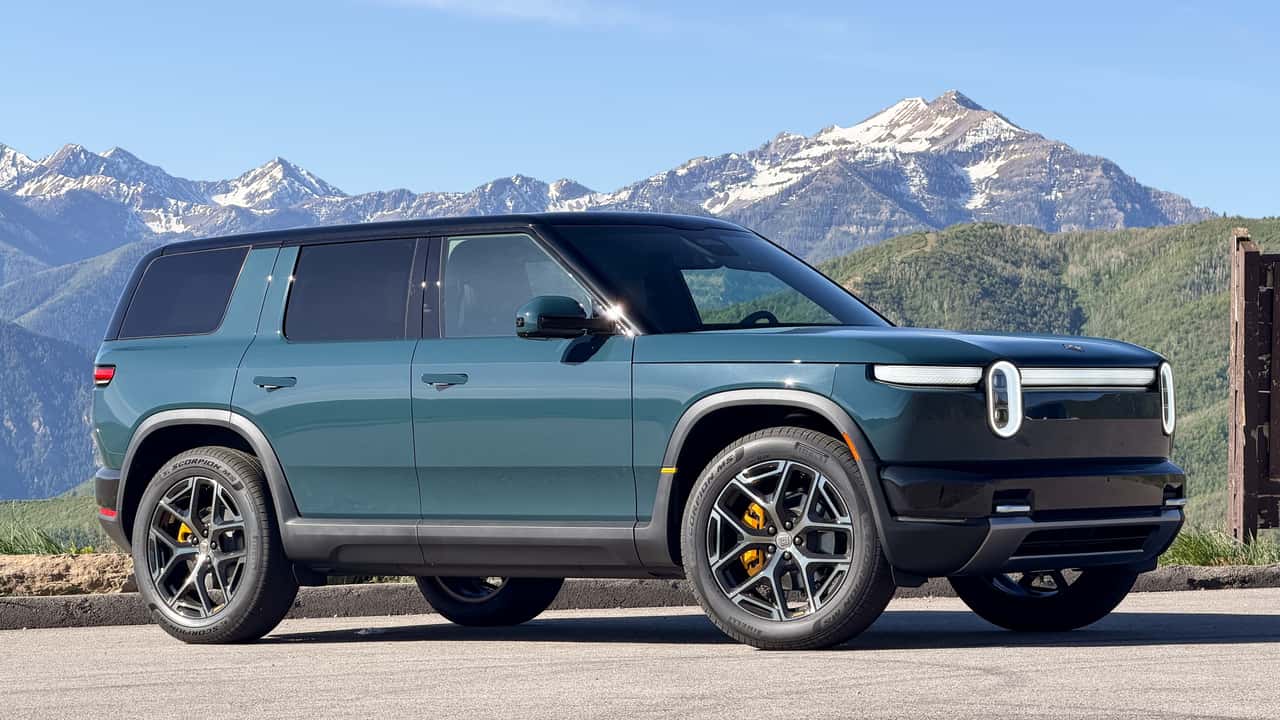
What This Means for Real Owners
Very few R2 owners will ever take their vehicle to a race track. But this test reveals something useful about the R2's engineering. The fact that it can drift, hold slides, and remain stable when the safety systems are off indicates a chassis with genuinely well-sorted weight distribution and suspension tuning. That translates directly to everyday driving — emergency lane changes, slippery road conditions, or simply having fun on a back road. The stability control offers a broad spectrum of intervention, from fully guarded to completely hands-off, allowing drivers to dial in exactly the level of assistance they prefer. Even with everything off, the car remains predictable and easy to read, boosting confidence in its handling limits.