The 2014–2016 BMW M235i Beats the GR86 on Value — But Only With Proper Service Records
A turbo-six, manual gearbox, and rear-drive charm undercut the modern sports car, and while maintenance is predictable, a documented history and the right model year make all the difference.
The Price Gap Is a Chasm, Not a Crack
TrueCar currently lists 138 first-generation BMW M235i coupes nationwide, with asking prices starting near $9,075. That's not a stripped, high-mileage disaster; it's a clean, running turbo-six coupe with a manual gearbox option. Even pristine, low-mileage examples rarely push past $30,000, and the overwhelming majority of mechanically sound cars trade well under $25,000—plenty change hands for less than $20,000. Compare that to a 2027 Toyota GR86 at $31,500 or a 2026 Mazda MX-5 Miata at $30,515, both before options, destination, and dealer fees, which push them comfortably past $32,000. The M235i undercuts both by thousands, often by half, while bringing more displacement, more cylinders, and meaningfully more power to the table. CarGurus' 2026 "Best Cheap Sports Cars" list called this exact math—the M235i lands on it because the new-car alternatives have drifted out of budget territory entirely. For a buyer chasing rear-drive, manual-transmission fun without a new-car payment, that value gap is the whole argument.
- Price$9,075
- TrueCar138 listings
- GR86$31,500
- Miata$30,515
320 Horsepower Versus 228 or 181 — No Contest
The M235i's N55 3.0-liter turbocharged inline-six cranks out 320 horsepower and 330 pound-feet of torque from the factory. That's a substantial jump over the GR86's 228 horsepower and the Miata's 181 horsepower. The torque advantage is even more decisive: 330 lb-ft arrives low and flat, while the naturally aspirated four-cylinders need revs to make anything close. The result is a car that feels genuinely quick in everyday driving—merging, passing, climbing a grade—not just on a track. The GR86 and Miata remain excellent momentum cars, but on paper and on the street, the M235i walks away from both. That's not a marginal advantage; it's the difference between a genuinely quick coupe and a merely adequate one. For anyone buying a sports coupe on a budget, that power difference is the difference between adequate and genuinely fast. The N55's twin-scroll turbo and forged internals contribute to a robust, tunable foundation, but even bone-stock, the M235i outguns every affordable new sports car on the market today.
- Horsepower320
- Torque330 lb-ft
- N553.0L turbo
Six-Speed Manual and Rear-Drive — A Dying Combo
BMW offered this compact coupe with a six-speed manual gearbox alongside the automatic, and it sends power to the rear wheels through a chassis honed over decades of compact BMWs. That combination—turbocharged inline-six, rear-drive layout, manual shifter, and a badge that still carries weight on a used lot—is nearly extinct at any price. The GR86 and Miata have the rear-drive and manual pieces, but neither has the six-cylinder muscle. Other used performance coupes that match the power often lose the manual or switch to all-wheel drive. This car checks every enthusiast box at once, which is why it keeps showing up in forum threads and car lists more than a decade after its 2014 debut. It's a formula almost nothing else touches at this price point, and that rarity is exactly why it holds up as a value pick in a market where new alternatives cost $30,000 or more.
- Transmission6-speed manual
- DrivetrainRWD
- Built2014–2016
The N55 Engine Tunes Hard and Owners Keep It
The N55 engine's tuning potential is a big reason this coupe remains relevant. It uses a single twin-scroll turbocharger, forged internals in key areas, and a factory tune that leaves real headroom on the table. That headroom allows for increased output through software and bolt-on upgrades, and the engine's architecture is robust enough to handle such changes. But the more telling sign is what owners actually do: they hang onto and build these cars rather than churn through them. Across tuning forums, track-day build threads, and long-term ownership write-ups, this engine—and its 1M/M2-adjacent siblings—shows up repeatedly as one people modify and keep, not flip. That owner-retention pattern is why it has developed a following instead of fading into used-car anonymity. It's informed enthusiast consensus, not factory data, but the volume of that consensus is undeniable. For a buyer, that means a well-sorted example is likely to have been cared for by someone who valued the platform, and parts and tuning knowledge are widely available. That practical support network is part of what makes it a sensible budget performance pick.
- EngineN55
- Communitytuning forums
Known Maintenance Points — They're Predictable, Not Fatal
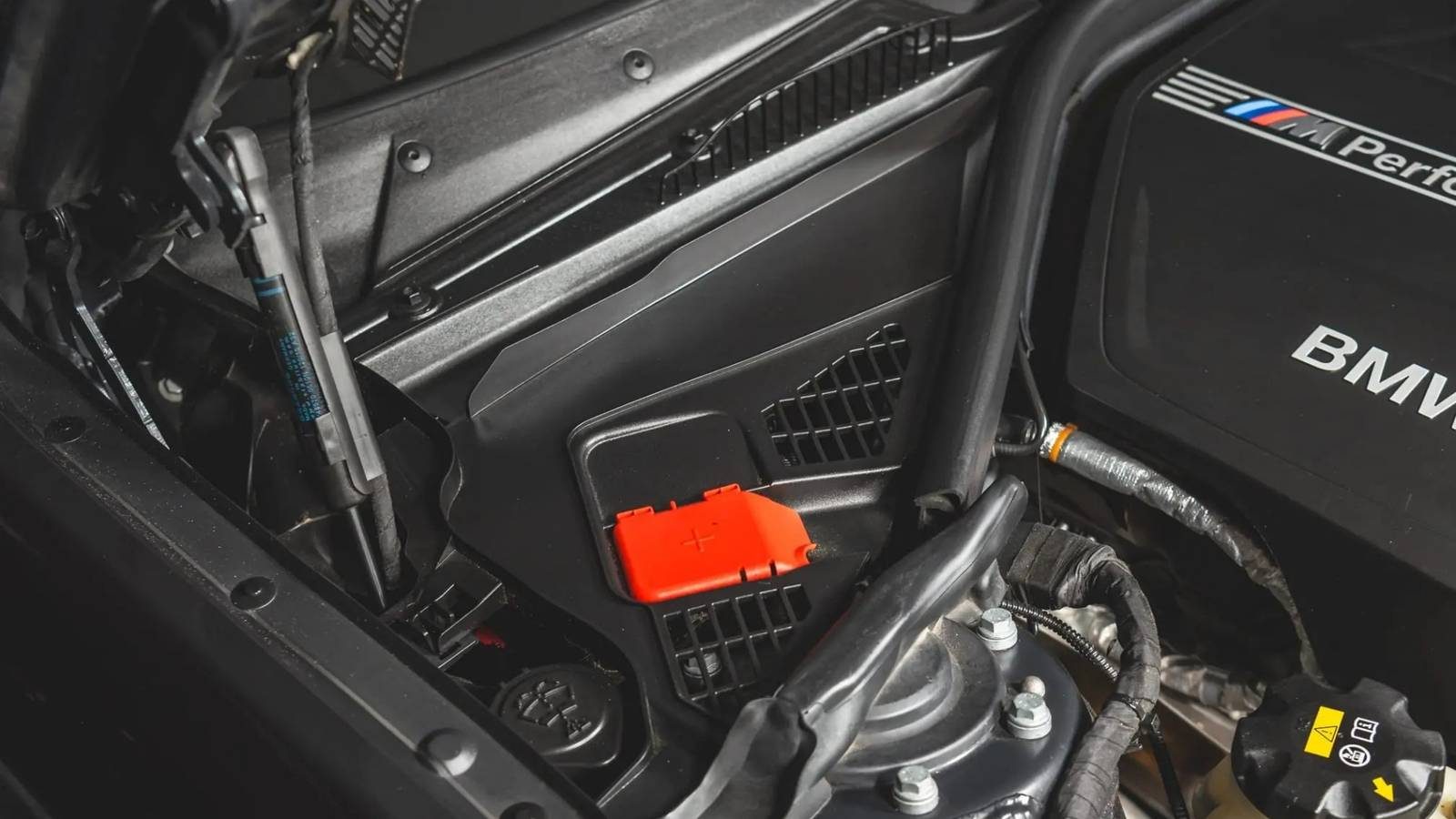
Every used N55 has a familiar list of aging issues. Valve cover gaskets seep, the electric water pump and thermostat housing eventually need replacing, and direct injection causes carbon buildup on intake valves—typically requiring a walnut-blasting service at higher mileage. None of these repairs is exotic or individually bank-breaking, but they add up if ignored. A car that's been neglected on any of these items can turn a bargain into an expensive lesson. The silver lining is that none of these are surprises; they're documented, well-known failure points that any informed buyer can plan for. A pre-purchase inspection by a shop familiar with BMW turbo sixes will quickly reveal which ones are imminent. Budget for gaskets, a cooling system refresh, and possibly a carbon cleanup up front, and the car just runs. The key is not to assume a clean Carfax means a sorted car—these are age-related wear items, not signs of abuse, and they're all addressable with normal maintenance.
- Maintenancevalve cover gasket
- Maintenancewater pump
- Maintenancecarbon buildup
Service Records Are the Difference Between Smart and Costly
A clean example of this turbo-six coupe requires full service records, evidence of oil changes on a shorter-than-stock interval, and a pre-purchase inspection from a shop that knows BMW turbo sixes specifically. A good Carfax alone is not enough; it won't show if the previous owner used the correct oil or ignored coolant leaks. The key is documentation. Buyers should expect to budget for at least one round of preventive maintenance after purchase—even on a well-kept car—because gaskets and cooling components degrade with time, not just miles. A car with complete records and a recent gasket and cooling refresh is worth paying a premium for, because it removes the most likely failure points before you ever turn the key. Without that paper trail, you're gambling on the previous owner's habits, and that's a risk a smart buyer doesn't take with a turbocharged German engine.
- Documentationservice records
- InspectionBMW specialist
Ownership Costs: Higher Than a Toyota, Lower Than a New Car Payment
Realistic annual ownership costs for this turbo-six BMW will run higher than a GR86 or Miata, simply because German parts and specialized labor cost more than Toyota or Mazda equivalents. But those costs are predictable if you plan for them. The known failure points—valve cover gaskets, the electric water pump and thermostat housing, and carbon buildup requiring walnut blasting—are not exotic or bank-breaking individually. Meanwhile, the purchase price leaves thousands in reserve compared to walking into a dealer for a new sports car. That reserve covers a preventive maintenance round up front, and still leaves you with a faster, more engaging car. The math only works if you do the homework: service records, a pre-purchase inspection by a shop that knows turbo BMW sixes, and a realistic budget for annual upkeep. For a buyer who does that, the total cost over five years lands below a new car's monthly payment plus interest, even with the higher parts and labor costs.
- Ownership costhigher parts
- Alternativenew car loan
The 2014–2016 Window Matters More Than You'd Think
Built from 2014 to 2016, this coupe was BMW's answer to a compact, driver-focused car before the nameplate shifted upmarket with the M240i. That short production run means every example is now more than a decade removed from its debut, and it has aged into something the new sports car market didn't anticipate. Because the N55 3.0-liter turbo inline-six was only available in this generation, buyers get a specific, well-understood engine — rated at 320 horsepower and 330 pound-feet of torque — that has proven to be a dependable base for both daily driving and modifications. The brief window also means no mid-cycle refreshes to confuse the spec: every car from this era has the same factory tune, the same rear-drive chassis, and, if you choose, the same six-speed manual gearbox. That consistency makes it a known quantity: the common maintenance items, from valve cover gaskets to carbon buildup, are already mapped out by the owner community, so a buyer can plan for them instead of guessing. It's a car that's already shed the new-car premium while remaining genuinely engaging, which is exactly why it earns a spot on any list of budget sports cars.
- Years2014–2016
- ModelM235i coupe