Alfa Romeo Bets on 147 DNA and Cell-to-Body Tech for Its Next Electric Hatchback
A compact EV with steer-by-wire, battery cells bonded into the body, and a GTA variant linked to the next Peugeot E-208 GTi signals how seriously Stellantis is taking Alfa's return to the C-segment.
The 147 Name Means Something Again
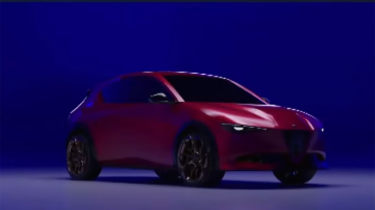
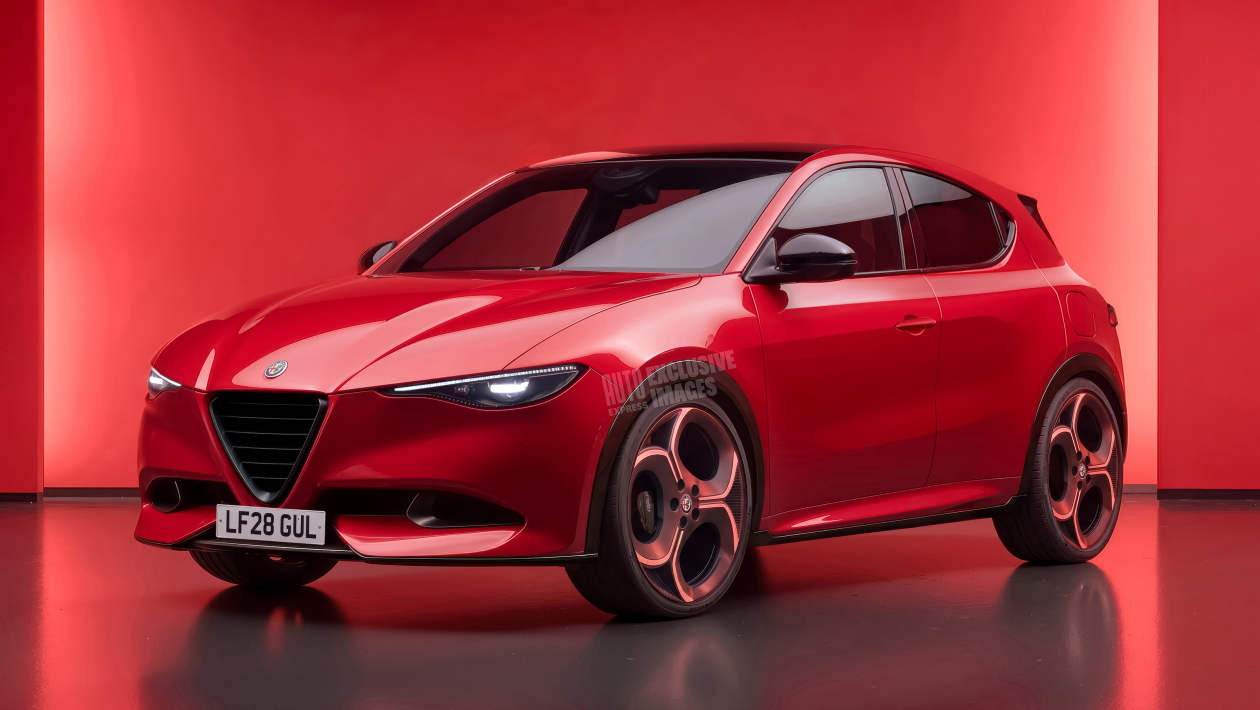
Alfa Romeo specifically referenced the 147 when it announced its forthcoming compact hatchback, a signal the brand wants buyers to connect this model to the iconic nameplate that defined its design language. The new car sits in the same C-segment space as the 147 and the later Giulietta, positioning Alfa to re-enter a class it has largely abandoned since the Giulietta's run ended. The company has released only a single blurry teaser image so far, but the deliberate invocation of the 147 name suggests Alfa is treating this hatch as a spiritual successor rather than a clean-sheet departure. That matters for buyers who associate Alfa's compact history with sharp styling and a driving character distinct from the Volkswagen Golf and Ford Focus norm.
STLA-One Brings Steer-by-Wire and a Brain That Thinks in Brand-Specific Ways
The hatchback will ride on Stellantis's STLA-One platform, a architecture capable of supporting steer-by-wire, the next-generation STLA-Brain computing system, and virtual cockpits that can vary significantly between brands within the Stellantis family. That last point is key: the same underlying platform can produce a Peugeot with one interior philosophy and an Alfa with another, without either brand compromising on how the driver interacts with the car. Steer-by-wire eliminates the physical steering column, replacing it with electronic signals that can be tuned for different feedback profiles—a feature Alfa could use to sharpen the hatch's steering feel beyond what hydraulic or electric power steering allows. The STLA-Brain handles over-the-air updates and vehicle-wide software integration, giving Alfa a path to add features after the car leaves the factory.
Cell-to-Body Construction Cuts Weight and Complexity
Alfa plans to use cell-to-body construction for this model, mounting battery cells directly into the vehicle's body structure rather than housing them in a separate pack that bolts to the floor. The approach reduces the number of intermediate parts—modules, housings, brackets—that conventional EV architectures require, which lowers assembly complexity and trims weight. For a compact hatchback with a relatively small footprint, every kilogram saved translates into either more range or a lighter, more responsive car. The STLA-One platform can accept hybrid powertrains in larger applications, but Alfa's compact dimensions make a pure-electric configuration the more likely fit. Cell-to-body also stiffens the body shell, which benefits ride quality and crash energy absorption—two areas where early EVs with heavy floor-mounted packs sometimes struggled.
A Classically Pretty Shape Against the Junior's Blocky Aggression
Alfa's design direction for this hatch will lean toward organic, classically pretty forms, a deliberate contrast with the Junior's aggressive two-tone body colours and blocky, angular shapes. The Junior uses design as its primary draw, but its visual language reads as urban crossover rather than sports hatchback. The new model will instead follow the styling philosophy Alfa previewed with its upcoming C-segment SUV, favouring flowing lines and a more sculptural silhouette. That choice matters in a segment where the Peugeot E-208, Renault Mégane E-Tech, and Cupra Born all stake out distinct visual territory. Alfa is betting that buyers in this class respond to a car that looks like it belongs on a winding Italian road rather than in a city car park.
A GTA Variant Tied to Peugeot's E-208 GTi
The hatchback's connection to the next-generation Peugeot E-208 opens the door to a high-performance GTA version. Peugeot has confirmed it will offer the upcoming E-208 in a GTi specification, and since both cars share the STLA-One underpinnings, Alfa has a ready-made performance blueprint to work from. The GTA badge carries Alfa's motorsport lineage—Gran Turismo Alleggerita, meaning lightweight grand tourer—and applying it to an electric hatchback would signal that Alfa sees this model as more than a commuter. For buyers weighing performance EVs in the compact class, a GTA variant with steer-by-wire tuning and cell-to-body weight savings could offer a driving experience distinct from the instant-torque-but-numb feel that characterises many electric hot hatches.
What This Means for the C-Segment Electric Landscape
Alfa's entry into the compact EV hatchback market arrives as Stellantis consolidates multiple brands around shared platforms. The STLA-One architecture lets Peugeot, Alfa, and potentially Citroën and Opel build cars that feel brand-specific without duplicating engineering costs. For Alfa, that means access to steer-by-wire, STLA-Brain, and cell-to-body tech without bearing the full development burden alone. The risk is that platform sharing blurs Alfa's identity—something the brand's invocation of the 147 name and its choice of a classically pretty design language are clearly designed to counter. Buyers considering the Peugeot E-208 GTi, the Renault Mégane E-Tech, or the Cupra Born will soon have an Italian alternative that promises sharper styling and a platform capable of genuine technological differentiation.