Three Kinds of Car Value: Discounts, Utes and Collector Oddities
Renault’s showroom incentives, Kia’s practical Tasman and BaT’s eccentric auction cars show how sharply automotive priorities can diverge.
Renault’s biggest saving sits in the Kiger
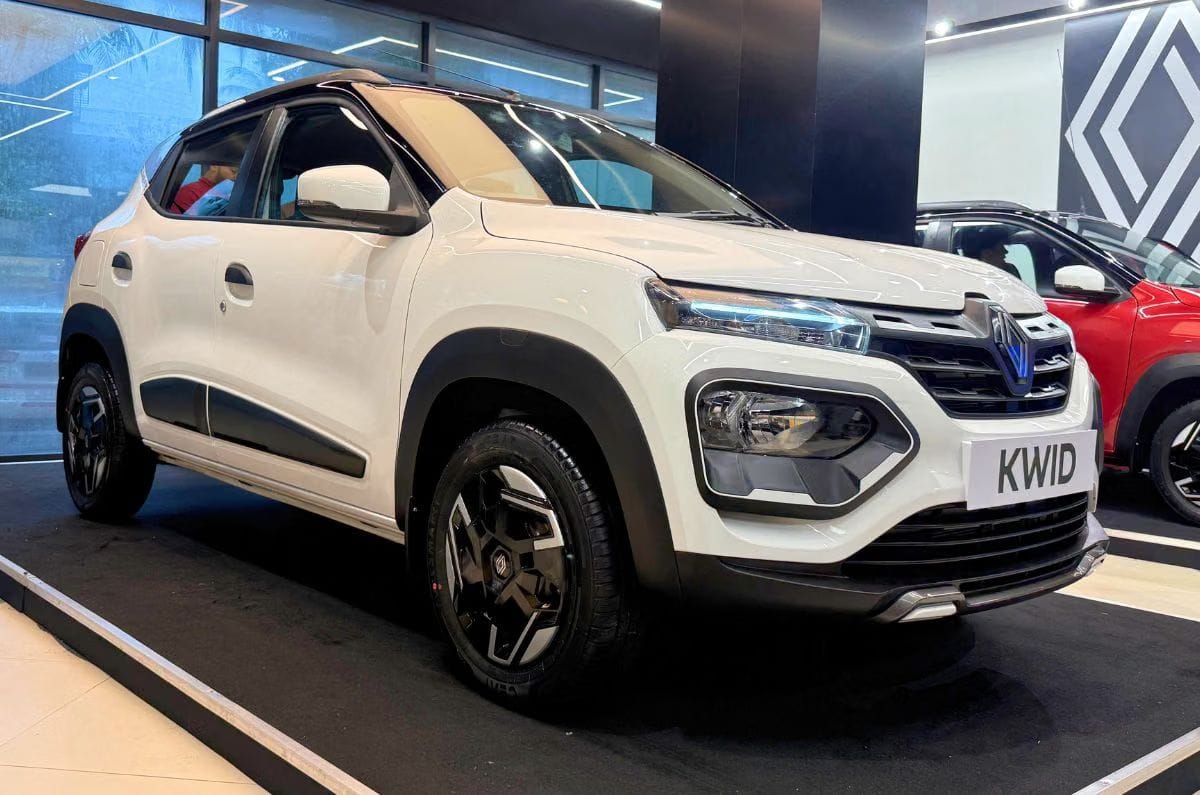
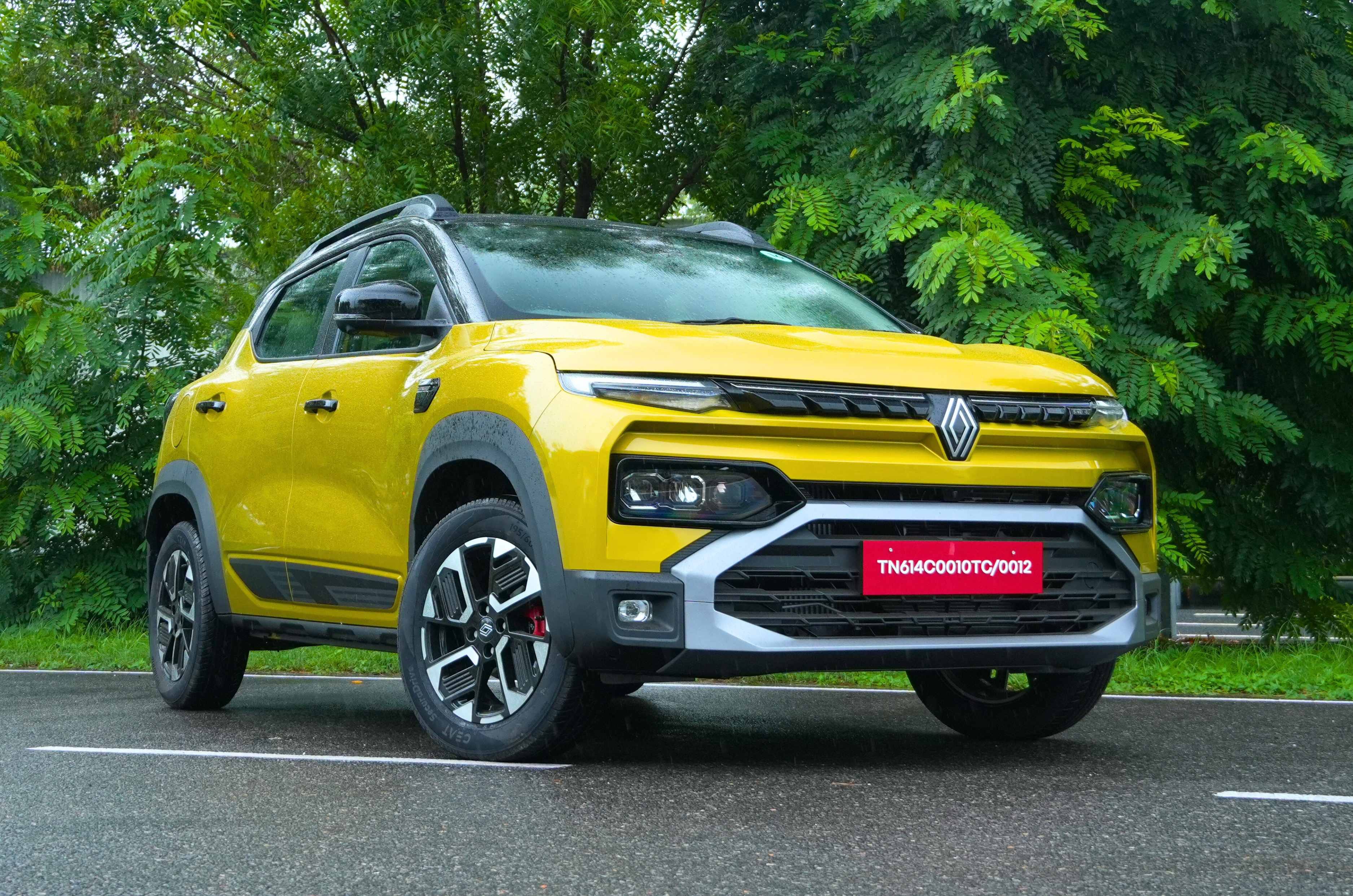
Renault’s August campaign is structured around several benefits rather than one universal rebate. Bookings made between August 1 and August 31 qualify for offers across the range, except the Duster. The Kiger leads with benefits of up to Rs 68,000 in most states: Rs 20,000 in cash, up to Rs 25,000 through exchange or scrappage, loyalty support worth up to Rs 18,000 and a Rs 5,000 corporate benefit.
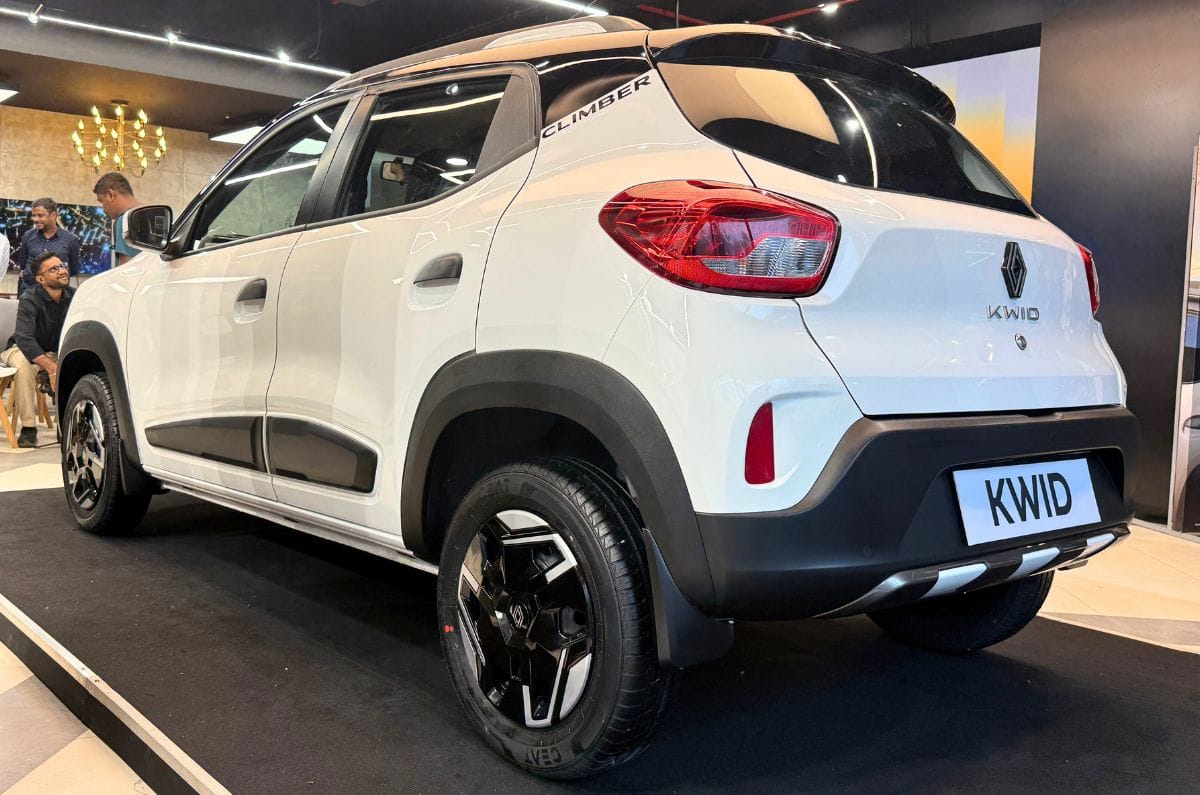
Kerala and Gujarat follow a different structure. There, the loyalty and corporate amounts remain unchanged, while cash and exchange incentives can each reach Rs 50,000. The Kiger’s ex-showroom price spans Rs 5.81 lakh to Rs 10.40 lakh. The Triber follows with benefits up to Rs 60,000 outside those two states, combining a Rs 15,000 cash offer, either a Rs 25,000 scrappage incentive or Rs 15,000 exchange benefit, and Rs 5,000 for eligible corporate buyers. The Kwid receives the smallest package, reaching Rs 40,000 through cash and scrappage support, with separate state exclusions for its cash offer.
The Tasman trades car-like comfort for ute hardware
Kia’s Tasman occupies a different part of the buying decision. Its range begins with a single-cab/chassis S 4x2 priced at $38,010 before on-road costs and reaches $74,990 for the X-Pro dual-cab pickup with four-wheel drive. Between those ends sit the S, SX, SX+, X-Line and X-Pro grades, with both work-focused chassis versions and family-oriented pickups available.
Every Tasman uses a 2.2-litre turbo-diesel four-cylinder producing 154kW and 440Nm, paired with an eight-speed automatic. Four-wheel drive and low-range gearing are available beyond the base rear-drive versions. The X-Pro combines an 80-litre fuel tank with a claimed 8.1L/100km economy figure, a 1013kg payload and 3500kg braked towing capacity. Its 5410mm length and 3270mm wheelbase give it substantial road presence, while the 1173-litre tub remains practical for equipment and cargo. The result is a ute positioned between traditional value models and more expensive segment leaders, with Chinese competitors adding further pressure.
The collector market rewards the gloriously impractical
The auction world offers a sharper contrast to showroom rationality. More than 1,400 listings appeared on Bring a Trailer’s pages, ranging from historically significant machinery to elaborate one-off constructions. A Lagonda LG45 began as an incomplete car before architect, engineer and racing driver Lee Duran’s custom riveted-aluminium boattail body was completed by marque specialist @LagondaJoe.
A Czech-service T-34/85 brought military history into the same marketplace. Its 85mm gun and three-person turret represented a major upgrade for the T-34 platform, while white identification stripes connected the vehicle visually with the Battle of Berlin. At the opposite extreme stood a rat rod built around a Z-ed Ford school bus frame, a chopped Autocar C-50 cab, military-tractor wheels and a homemade recovery boom.
The week’s Italian thread was just as varied. Steve Bonacker’s “Dragon” used an Alfa Romeo chassis and styling cues drawn from Ferrari, Maserati and OSCA sports cars. A recreation of a Ferrari 250 GT Speciale Spyder and a Maserati A6GCS Monofaro also appeared from the DFW Car & Toy Museum Collection, proving that provenance and craftsmanship can matter as much as originality.
Ownership costs expose the Tasman’s real proposition
The Tasman’s appeal extends beyond its equipment list, but its safety and running-cost details need separating by grade. ANCAP awarded the range a five-star rating, although the X-Line and X-Pro were excluded from that assessment because their off-road bumpers affect vulnerable-road-user performance. The tested model recorded 87 per cent for adult occupant protection, 85 per cent for child protection, 74 per cent for vulnerable road users and 80 per cent for safety assist.
Highway Driving Assist 2 and navigation-based adaptive cruise control become standard from the SX grade upward. The top versions add parking collision-avoidance assist, blind-spot cameras and a 360-degree parking view. Kia covers private buyers with a seven-year, unlimited-kilometre warranty; business coverage is seven years or 150,000km. Roadside assistance can continue for eight years when servicing stays within Kia’s dealer network.
Scheduled maintenance falls at 12 months or 15,000km. Capped-price servicing runs for seven years or 105,000km, with the X-Pro’s listed average annual service cost at $585 and its total capped-price bill at $4093. Inside, quilted leatherette, knurled controls and a wide screen give the cabin a more polished character than its commercial-vehicle shape suggests.