Can-Am's EV 'Automobile' Patent: Not a UTV, But Is It a Road Car?
BRP's latest filings call the machine an electric automobile, but the seats, doors, and cargo bay tell a different story.
The Patent That Says 'Automobile'
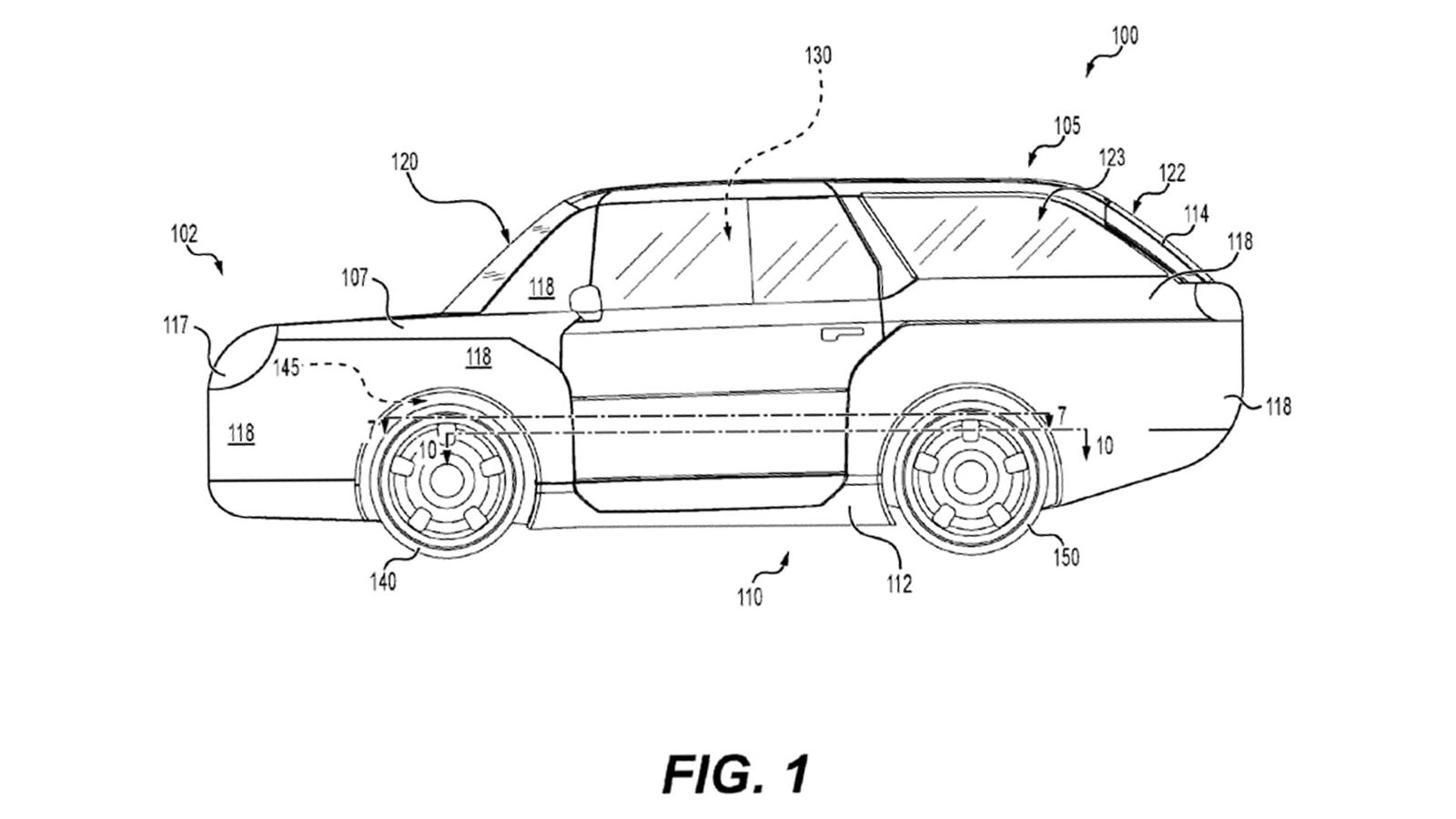
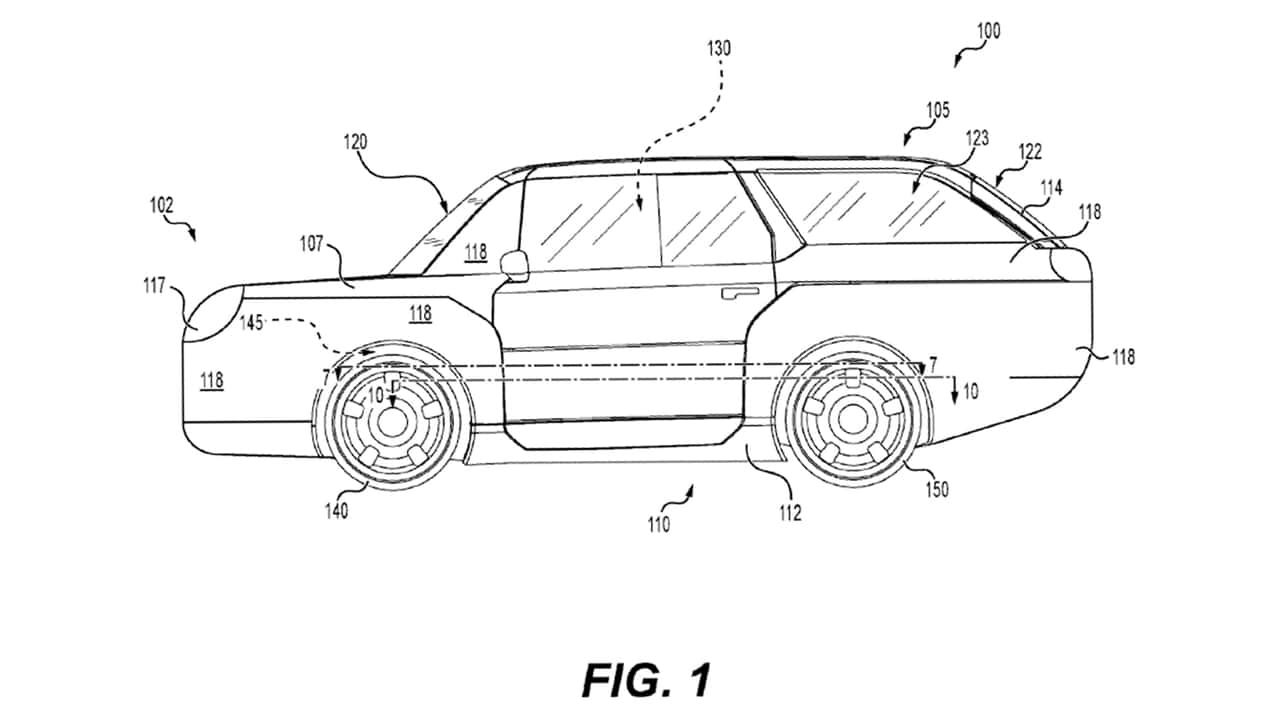
Two new patent filings from Bombardier Recreational Products (BRP) land in the database with a phrase that stops you cold: 'The present technology relates to vehicles, more specifically to electric automobiles.' That's not the language of a side-by-side or a UTV—those filings use off-road nomenclature. These patents stick to the exterior shape of the first BRP EV patent we found months ago and add interior drawings: dashboard, HVAC, steering wheel, seating layout. The platform is a skateboard type, with the body sitting on a floor that fully encompasses the battery. A patent that explicitly says 'automobile' and shows a Tesla-style battery floor is a long way from a snowmobile engine. It's still a patent, not a production vehicle, but the wording forces a second look.
A Floor That Holds the Battery
The skateboard layout is the most car-like part of the design. In modern EVs like the Tesla Model 3, the battery pack forms the entire lower floor, lowering the center of gravity and freeing cabin space. This vehicle shows the same arrangement: the battery is not a box tucked under a seat or behind a roll cage, but the structural base of the vehicle. The interior includes a steering wheel, an HVAC system routed through the dash, and a seating position that suggests a conventional car, not an upright UTV. Whether that floor actually carries the claimed range or charge speed is unknown—no battery chemistry or capacity is specified. But the architecture alone reveals an automaker's mindset, not an off-road builder's.
Maverick Seats, Defender Cargo, Road-Unsafe Doors
Look at the seats and you'd swear they came off a Can-Am Maverick or Sport UTV—same basic shell, though with added padding. The rear cargo space is lifted straight from the new HD11 Defender. Those are BRP's own components, reworked for a machine that might not need a roll cage. Then there are the doors. They pivot forward, like nothing on a modern road car, and the crash structure shown is not what you'd see on a vehicle built to meet federal safety standards. If this is an automobile, its doors don't pass the first glance. That's the tension in these patents: the language says automobile, the parts bin says UTV, and the door design says 'don't crash it.'
A Product Line With No Car
BRP's catalog runs to turbocharged two-stroke snowmobiles, jet skis that throttle like dragsters, 240-horsepower UTVs, two all-electric bikes, and an EV ATV. No car. No vehicle that could be registered for the street in most states. The EV ATV and the electric bikes show the company knows its way around a battery pack, but a four-wheeled passenger vehicle is a different regulatory and engineering world. That's why the earlier patent was easy to dismiss as a disguised side-by-side. But the new filings use 'automobile' three times, and they're more detailed than any UTV patent BRP has filed. It could be a design exercise or a hedge for a future market. It's not a promise. It's also not something you'd waste patent attorney hours drafting for a machine that would never exist.
What the Patent Doesn't Promise
Patents protect designs, not products. BRP could file this to block competitors, to test the market's reaction, or to keep options open for a machine that doesn't meet road standards. The door issue is the clearest giveaway that this isn't a road-ready EV, at least not yet. Forward-pivot doors and a nonconforming crash structure would need a redesign before anyone could register it as a car. That leaves two possibilities: either this is a high-performance off-road EV with a car-like body, or BRP has a road-going platform in the works and these patents capture an early iteration. Either way, the interior details show the engineering is serious. For anyone watching the compact EV market, the question is whether BRP will close the gap between a patent drawing and a vehicle you can insure. The answer isn't in the filing.