Coasting in Neutral: What Your Car Actually Does
Shifting to Neutral while driving changes how your car slows, burns fuel, and reconnects the drivetrain — here's the real story.
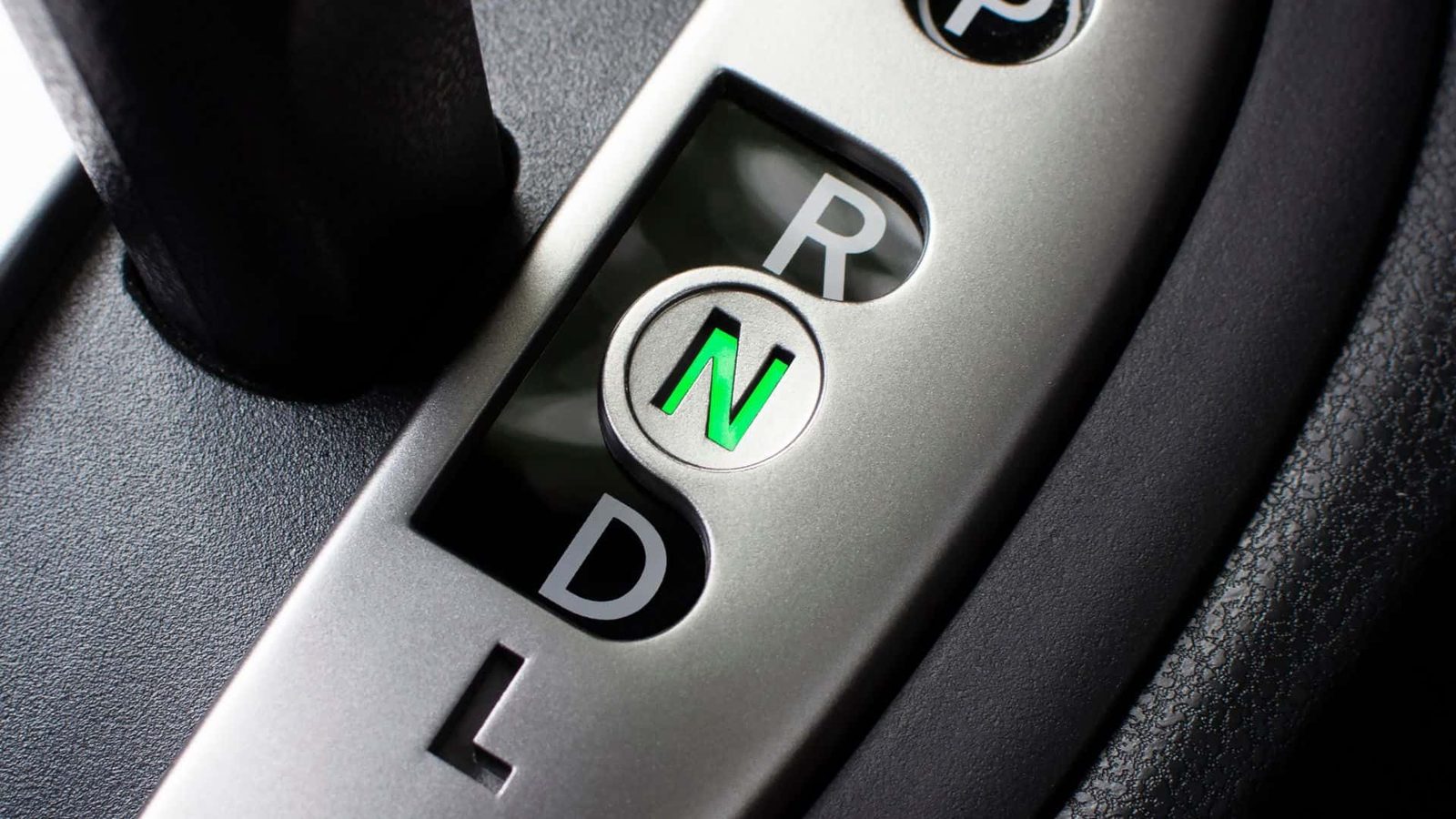
Does shifting into Neutral while driving damage the transmission?
An accidental shift into Neutral won't automatically destroy an automatic transmission, but the circumstances matter. In a Reddit r/MechanicAdvice discussion, a driver accidentally shifted an older automatic into Neutral while moving and then immediately back into Drive; the consensus was that the risk lies not in selecting Neutral itself but in how Drive is re-engaged. If the transmission reconnects at idle, the engagement is usually smooth. But if you rev the engine and slam the shifter into Drive, the sudden reconnection of engine and drivetrain at a mismatched speed can stress clutch assemblies and hydraulic components. Modern automatics use electronic controls and hydraulic pressure to manage this, so a single clumsy shift is rarely catastrophic. Treat Neutral as a momentary mistake, not a routine move.
Why does my car coast more freely in Neutral?
When you shift into Neutral, the transmission stops transmitting engine power to the driven wheels, but the wheels still turn, so the car keeps rolling. The engine disconnects from the drivetrain, which means it can drop to idle while the vehicle coasts. This is true across automatic, manual, CVT, and dual-clutch transmissions — the mechanical result is the same: the vehicle is no longer being driven by the engine. The immediate effect is that you lose engine braking, the natural resistance that occurs when you lift off the accelerator in gear. That resistance comes from the engine's compression and friction working against the drivetrain, which helps slow the car. In Neutral, that force disappears, so the car rolls more freely, and you have to rely almost entirely on the brakes to control your speed. On a long downhill, this can mean heavier brake use and sooner brake fade.
Does coasting in Neutral save gas?
No — in modern fuel-injected cars, coasting in Neutral usually increases fuel consumption. The old theory was that a disconnected engine would use less fuel, but modern engines are smarter. Many fuel-injected vehicles cut fuel injection entirely when you're in gear and off the accelerator during deceleration, because the wheels drive the engine. In Neutral, the engine still needs fuel to maintain idle speed, so it sips fuel just to keep running. The difference is usually small, but it's still a loss, not a gain. For example, a driver on Reddit admitted using Neutral on downhill sections at 18–22 mph in a dual-clutch transmission to save gas, but owner's manuals warn against it, and the potential savings are negligible. Even if there were a tiny benefit in some situations, it wouldn't outweigh the loss of engine braking and the added brake wear — so it's not a fuel-saving technique that makes sense for everyday driving.
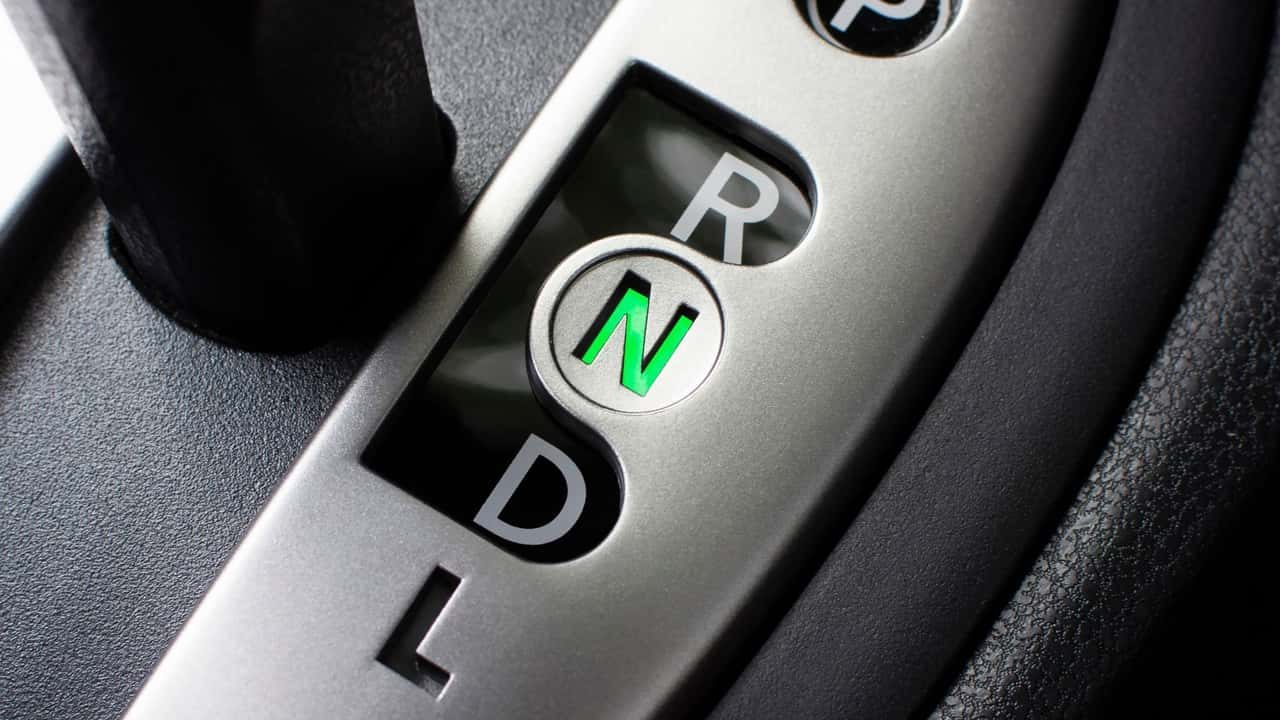
What is engine braking, and why do I lose it in Neutral?
Engine braking is the natural slowing effect you feel when you lift off the accelerator while your car is in gear — the engine's internal friction and compression work against the drivetrain to help reduce speed. In Neutral, the drivetrain is disconnected, so that resistance vanishes and the car coasts more freely. This is a key safety concern: Hyundai, for example, warns that shifting into Neutral while driving eliminates engine braking and can increase the risk of an accident. On a long downhill, keeping the car in an appropriate gear allows the engine to help control speed without forcing the brakes to do all the work. The drivetrain provides an additional method of controlling the vehicle, but it doesn't replace the brakes. When you shift into Neutral, you lose that method, and the brakes become the sole means of speed control.
What happens when you shift back into Drive while still moving?
When you shift from Neutral back into Drive at speed, the transmission has to reconnect the engine and drivetrain while the wheels are already turning. Modern automatics use electronic controls, hydraulic pressure, and clutch assemblies to make this engagement smooth, but the outcome depends on the vehicle and how you do it. If you simply push the lever back into Drive at a reasonable engine speed, the transmission can often match the speeds and engage without drama. But if you rev the engine while shifting back, the speed mismatch can cause a jolt and put unnecessary stress on the drivetrain. The same applies to manual transmissions — you'd need to select an appropriate gear before accelerating. A one-time accidental shift is unlikely to cause obvious damage, but repeatedly doing it aggressively can accelerate wear. The key is to release the accelerator and let the engine speed settle before re-engaging Drive.
Is Neutral ever useful, like during a car wash?
Yes, Neutral is part of normal vehicle operation in specific situations. Some vehicles have official procedures for using Neutral during towing or automatic car washes. Ford, for example, offers a dedicated Temporary Neutral Mode on some models specifically for situations like an automatic car wash, where the car needs to roll freely without the engine driving the wheels. This mode is designed to keep the transmission in Neutral without allowing the vehicle to be shifted into a harmful state. The takeaway is that Neutral is a tool for controlled scenarios — not a fuel-saving trick for daily driving. When you deliberately use Neutral in a car wash or during towing, you're following the manufacturer's designed procedure. But using it as a regular coasting technique during normal driving offers few advantages and can eliminate engine braking, which reduces your control over the vehicle. So, reserve Neutral for those legitimate uses.