Cool Paint Cuts Cabin Heat by 5°C — But the Real Win Is EVs and 45°C Summers
A two-particle metamaterial layer drops exterior surfaces 12°C and cabin temps 5°C, survives a year on tarmac, and shrugs off Australia's worst heat — with range and delivery-van benefits to match.
The 12°C / 5°C Reduction
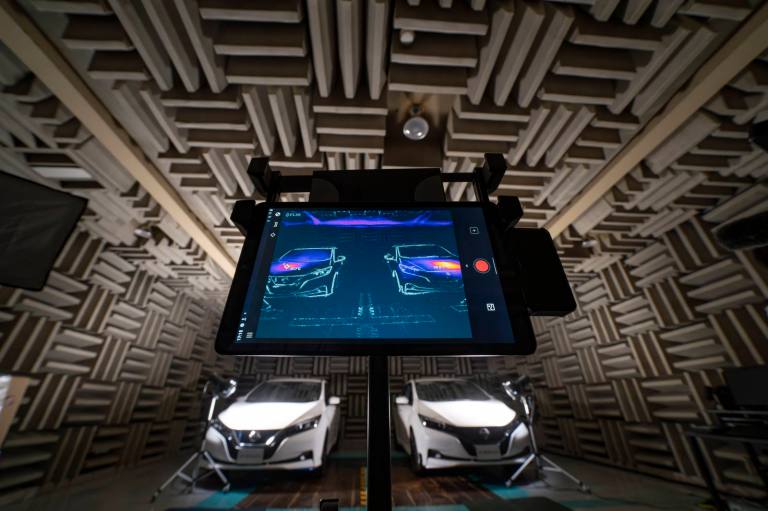
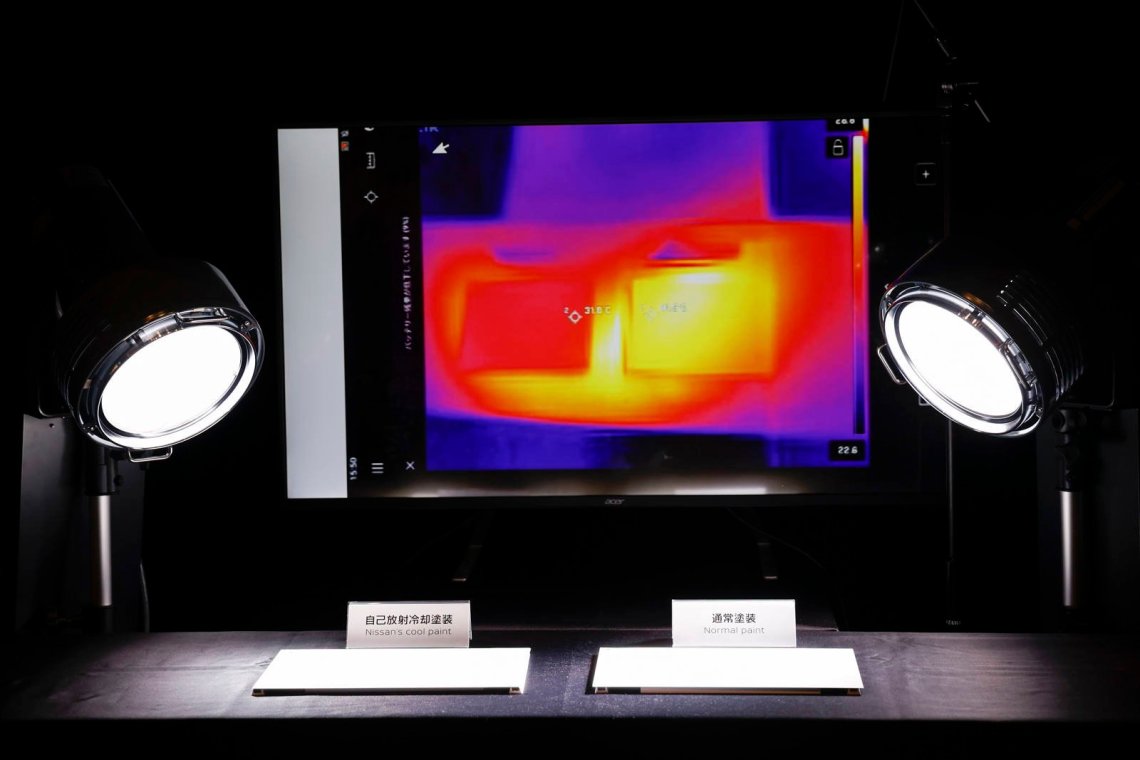
Nissan's testing has produced two headline numbers: exterior surfaces run up to 12 degrees Celsius cooler and cabin air up to 5 degrees cooler than a conventional paint job in the same sun. The measurements came from vehicles sitting in unfiltered sunlight, not a climate chamber. A 5-degree cabin drop might not sound dramatic, but it is the difference between a car that is merely oppressive and one that is tolerable after a few minutes. More importantly, the exterior drop reduces heat conduction through the body panels, which is the primary mechanism the paint is designed to attack. These are interim results from Nissan's development phase, not a final specification, but they are the first numbers from any major automaker for a radiative-cooling automotive coating.
- Temperature-12°C exterior, -5°
- PhaseInterim development
Cabin Temps Soar to 60–70°C in Minutes
Within minutes of parking in direct sun, a sealed cabin can reach 60 to 70 degrees Celsius. That heat builds as sunlight passes through glass and warms the seats, dash, and steering wheel, which then reradiate their warmth. For a child or pet left inside, those temperatures are a genuine medical emergency; even a few minutes can be life-threatening, which is why no one should be kept in a parked car. This is the problem Nissan's cool paint is trying to solve before it starts. If the cabin never gets as hot, the risk window shrinks. On a typical Australian summer afternoon, these internal temperatures are common, and they are the reason why the interior of a parked car feels like an oven long after the outside air has cooled. The paint's whole purpose is to cut that peak, reducing the danger before you even open the door.
- Cabin temperature60–70°C
- Health riskChildren and pets
The Two-Particle Metamaterial Trick
The paint's cooling action comes from a metamaterial developed with Radi-Cool, a specialist in radiative cooling. That material contains two distinct types of microstructure particles, each performing a separate job. The first type reflects near-infrared rays, the part of sunlight that traditional paint absorbs as heat. The second type generates electromagnetic waves that counteract the sun's rays, pushing absorbed energy away from the vehicle and out toward the atmosphere. Working together, these two mechanisms prevent heat from ever being conducted into the body panels. Unlike a pigment that simply changes color, this is a physical coating that alters how the surface interacts with solar radiation. The same technology has been used on building exteriors, but for cars Nissan is adapting it into a thin, sprayable layer that still delivers the full radiative-cooling effect.
- MaterialMetamaterial
- DeveloperRadi-Cool
- MechanismReflects near-infrare
A 12-Month Test on an Airport Tarmac
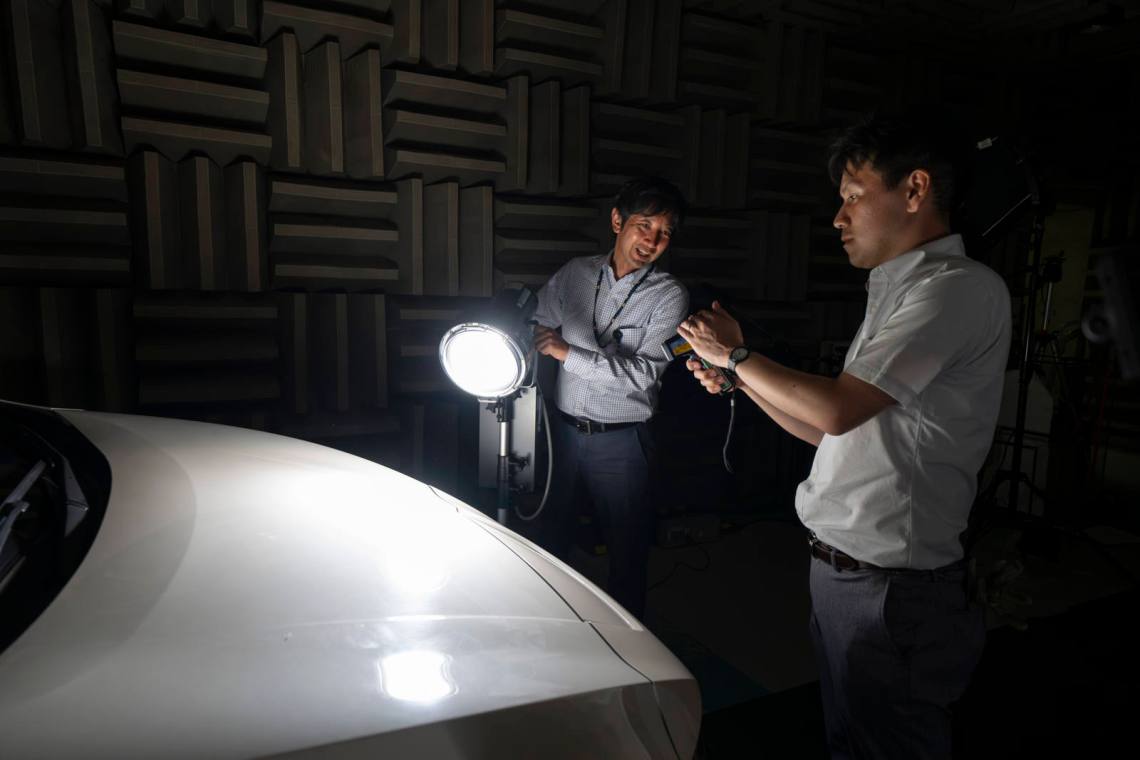
Nissan began a 12-month trial at Tokyo International Air Terminal at Haneda, applying the paint to a Nissan NV100 service vehicle. The airport's wide, sun-exposed tarmac is an ideal stress test because it offers hours of unobstructed sunlight, radiant heat from concrete, and no shade. The trial is designed to measure how the coating holds up to real-world wear, UV exposure, and repeated washing, not just how much heat it blocks in a laboratory. By using a service vehicle that sits in the sun between runs, Nissan gets data on both parking and driving conditions. The NV100 is a small commercial van, so the trial also tests the paint on a shape that has large flat surfaces, a good approximation of what a delivery fleet would experience.
- LocationHaneda airport
- Duration12 months
- VehicleNissan NV100
From Rollers to Spray Guns: 120 Microns Thick
Radiative-cooling paint was originally designed for buildings, where it is typically applied with a thick roller and left without a clear topcoat. For cars, that approach would not work—a car needs a smooth, durable, high-gloss finish. Nissan reformulated the paint so it can be sprayed on and then covered with a clear topcoat. After testing more than 100 samples, the company settled on a total paint thickness of 120 microns, about six times thicker than typical automotive paint. That extra thickness adds significant weight to the vehicle, a trade-off for the cooling benefit. The paint’s metamaterial uses two types of microstructure particles: one reflects near-infrared rays that generate heat in traditional paint, while the other creates electromagnetic waves that redirect the sun’s energy into the atmosphere. In a 12-month trial at Tokyo’s Haneda airport on a Nissan NV100 service vehicle, the treated paint cut exterior surface temperatures by up to 12°C and interior temperatures by up to 5°C compared with conventional paint. For drivers, that means a noticeably cooler cabin on a hot day, less strain on the air-conditioning system, and improved fuel or battery efficiency—especially valuable for light commercial vehicles that sit in the sun all day. The research team is still working to reduce the thickness without losing performance, but for now, the thicker film is what delivers the heat rejection.
- Thickness120 microns
- Samples tested100
- ApplicationSpray with clear to
Why Australia's 45°C Extremes Make This Paint a Fit
Much of Australia sees summer averages of 30 to 40 degrees Celsius, with parts of Western Australia topping 45 degrees. The caveat is that few EVs are driven outside major cities, but for city dwellers and regional drivers alike, the insulation value of cool paint matters. A car sitting in an Australian summer sun is exposed to hours of direct irradiation, which drives the internal temperature even higher than the ambient reading. Nissan's cool paint is not a replacement for air conditioning, but it reduces the initial heat load so the AC has to work less. For anyone who parks in the sun—which in Australian suburban and rural parking lots is most people—the coating could make the difference between a car that is bearable after a short cooldown and one that requires five minutes of running the blower on full.
- Climate30–40°C average, 45°C+
- EV adoptionLow outside cities
Longer EV Range and Cooler Delivery Vans
Because the paint lowers cabin temperatures, the air-conditioning system doesn't have to work as hard. In an electric vehicle, that means less battery draw for cooling, which extends real-world range. The practical payoff is biggest for light commercial vehicles—vans and trucks that sit in unshaded lots for hours and have large panels that collect heat. A delivery driver climbing back into a van that has been baking all afternoon would traditionally crank the AC to bring the temperature down; with the cool paint, the starting point is lower, so the cooldown is faster and the energy spent is less. For an EV van, that saved energy could mean several extra stops per charge. For a petrol truck, it's fuel saved. Nissan's work on this coating is aimed squarely at these fleet applications.
- BenefitReduced AC load
- TargetLight commercial vehicle
- EV rangeExtended
