Why EVs Skip the Grille—and Where the Cooling Went
Electric cars trade the open nose of a combustion vehicle for smoother aerodynamics, targeted cooling, and new ways to preserve a recognizable face.
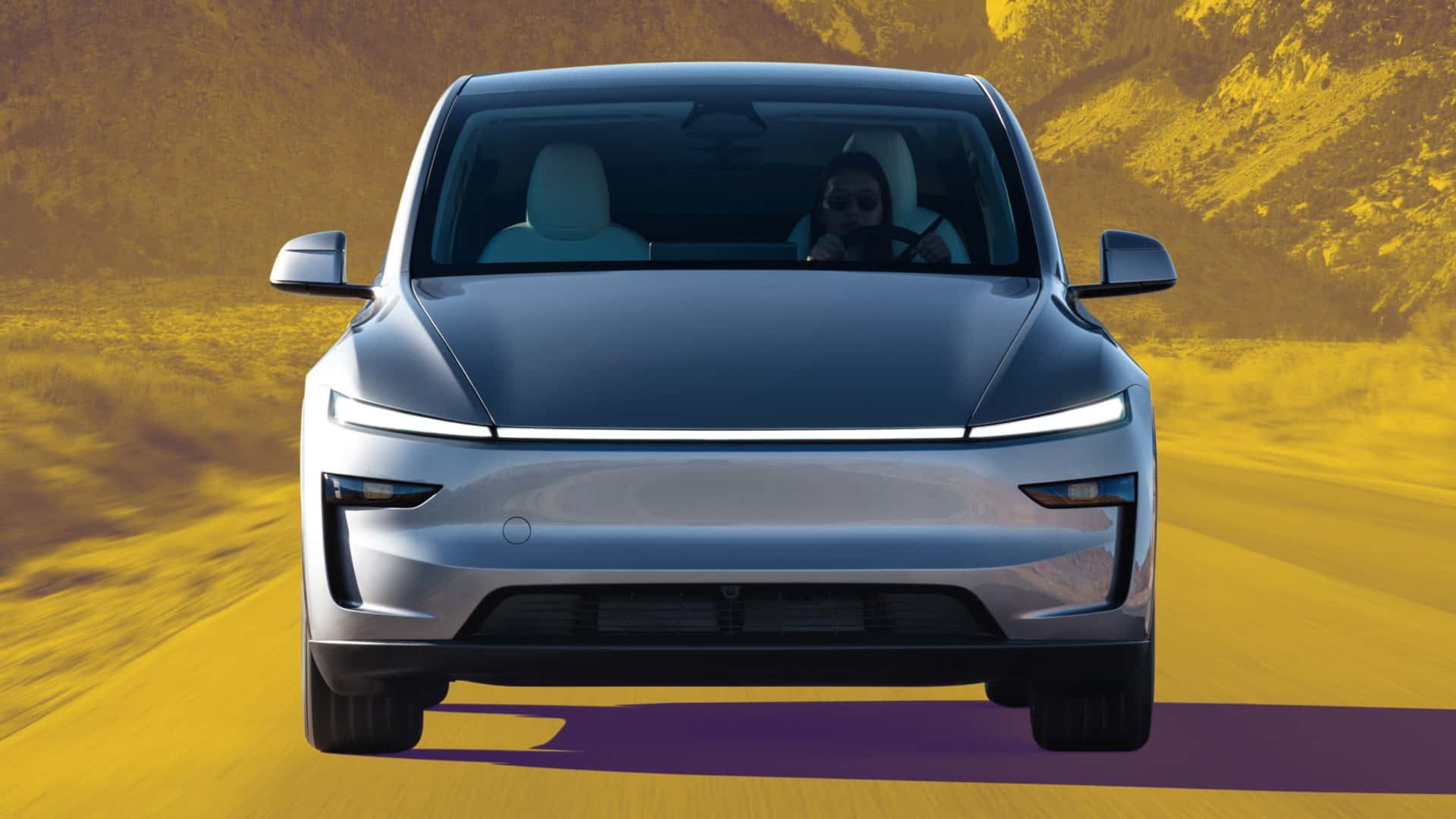
Why don’t most electric cars have a traditional grille?
Most electric cars do not need a traditional grille because their motors do not draw air for combustion. A gasoline engine depends on intake, compression, combustion, and exhaust; its radiator also needs outside airflow to carry heat away. That is why a conventional car sends air through a large opening at the front. An EV replaces that arrangement with electric motors, batteries, inverters, and other components that use different cooling systems. Closing the upper nose also reduces the disruption caused when air enters the engine bay, strikes the radiator and surrounding hardware, and eventually exits. A smoother front lets more air pass around the body cleanly. The effect matters most at highway speeds, when an EV continuously spends energy pushing through air. A closed front is one part of a larger aerodynamic package that can include flush door handles, flat underbody panels, shaped mirrors, and specialized wheels.
Do electric cars still need cooling air?
Yes. An EV still needs thermal management for its battery, electric motors, inverter, charging equipment, electronics, and cabin climate system. The U.S. Department of Energy identifies temperature control as important to the performance and reliability of electric motors and power electronics. Instead of leaving a large upper opening open all the time, many models use smaller intakes in the lower bumper. Those passages send air toward heat exchangers while the upper nose remains smooth. Some vehicles add active flaps that open only when the cooling demand rises. Hyundai’s Ioniq 5 uses active air flaps in its front bumper; Hyundai says closing them improves energy efficiency, while opening them supports battery-temperature control. The design is therefore selective rather than sealed in the literal sense. Air enters where the thermal system needs it, and the vehicle avoids exposing the entire front face to unnecessary airflow.
Why do some high-performance EVs have large front openings?
High-performance EVs have larger openings because repeated hard acceleration, high-speed driving, rapid charging, and track use create heavier cooling demands. Their batteries and motors must shed more heat under those conditions, while performance driving can also place greater demands on the brakes. The Hyundai Ioniq 5 N shows how that changes the front-end design. It uses functional front mesh, cooling vents, air curtains, and active air flaps rather than relying on a nearly featureless nose. Those parts balance airflow management with the heat produced during demanding operation. An efficiency-focused commuter model can often use smaller passages because its cooling load is lower in ordinary driving. A performance model cannot be judged by appearance alone: visible openings may represent a deliberate engineering requirement, not a return to the cooling layout used by gasoline cars. The Ioniq 5 N’s front end is built around sustained performance rather than minimum airflow.
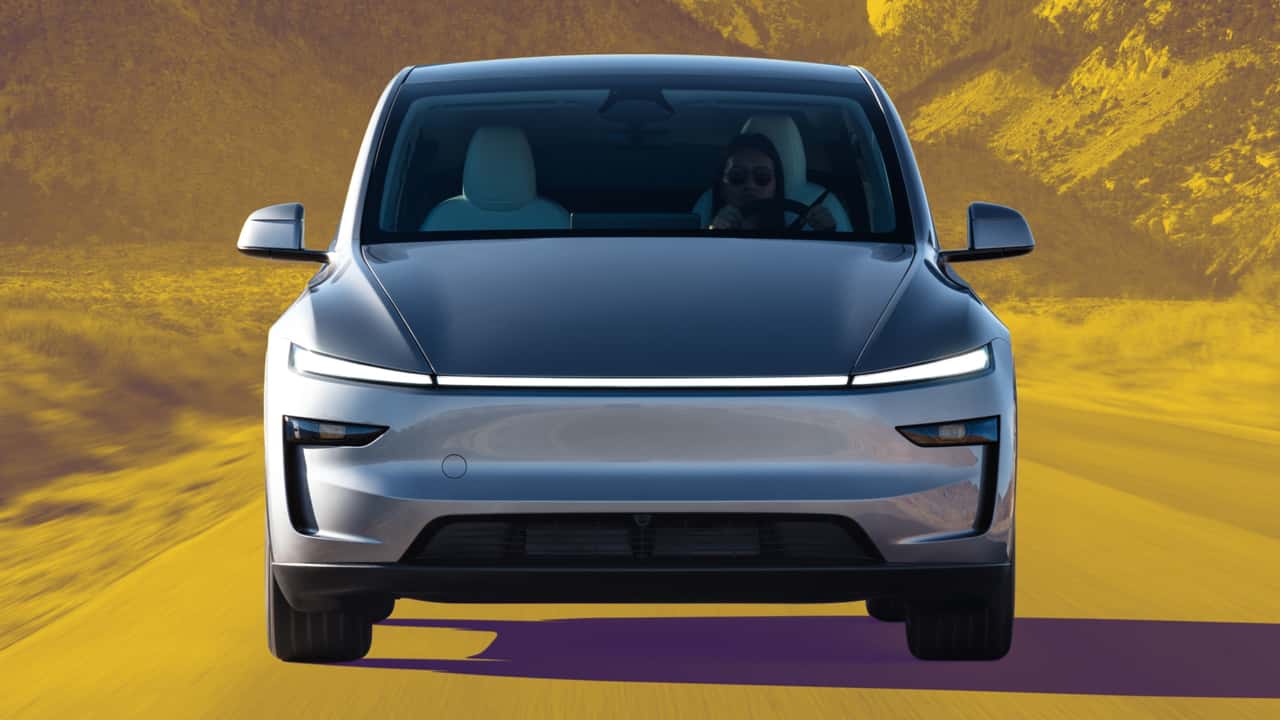
Can an EV have a sealed front and still look like a familiar brand?
Yes. Automakers can retain a grille-shaped design even when the panel no longer functions as a large air intake. BMW’s iX uses a closed kidney-shaped panel that BMW describes as an “intelligent panel.” It houses sensor technology and requires only a small supply of cooling air, so the familiar outline remains without recreating the opening used by a combustion engine. Other manufacturers use textured surfaces, body-color inserts, lighting elements, or narrow black trim to create a recognizable front graphic. This gives designers freedom to improve airflow while preserving visual cues that customers associate with a marque. The result may resemble a grille, but its job can be sensing, lighting, styling, or protecting equipment rather than feeding air to a radiator. On an EV, the most prominent front panel may therefore be a technology housing disguised as a traditional brand signature.
How does a grilleless nose affect EV driving range?
A grilleless nose can improve efficiency by reducing aerodynamic drag, but the benefit is not a fixed amount for every model. It becomes especially relevant during highway travel, when air resistance consumes a large share of the energy needed to maintain speed. An open grille forces air into the front structure, where it encounters cooling hardware and other components before leaving the vehicle. A smoother fascia keeps more of that flow attached to the exterior. Engineers pursue the same objective with flush door handles, flat underbody panels, aerodynamic wheels, and carefully shaped mirrors. Each change may appear modest, yet the vehicle’s energy use reflects their combined effect. The closed nose is therefore not a standalone range upgrade with a fixed number attached; it is one aerodynamic decision within the broader design of an EV.
Do electric trucks and SUVs need more visible front openings?
They can. Electric trucks and large SUVs may require more visible openings when their designs prioritize towing, hauling, or operation in extreme temperatures. Those conditions can increase the heat that the battery, motors, and electronics must manage, so the front-end airflow is shaped around the vehicle’s actual workload. A smooth commuter-car nose is not a universal template for every electric vehicle. The same principle applies to vehicles designed for repeated fast charging or demanding use: cooling capacity can take priority over a fully closed appearance. The openings do not exist simply because cars traditionally carried grilles. They direct air to the heat exchangers and other thermal hardware sized for the model’s intended job. Buyers comparing an efficiency-oriented EV with a heavy-duty electric truck will therefore see different front treatments for a functional reason. The visible opening signals a different operating brief, not an outdated styling choice.
Why do some EVs use fake grilles?
Some EVs use grille-like panels because the front of a car has long carried brand identity, even after its mechanical purpose changes. Removing the opening entirely can make a vehicle harder to recognize, so designers preserve familiar shapes with sealed surfaces, trim, lighting, or texture. The tradeoff sparked debate in an r/cars discussion titled “Electric Cars Should Stop Having Fake Grilles.” Some commenters viewed a sealed grille as a useful link to an established marque, while others saw it as a covered-over remnant from gasoline-car design. The disagreement reflects a real design problem: a recognizable front can support brand continuity, but a decorative opening may look less honest than a new visual language. Electric propulsion gives automakers room to rethink the nose, yet customers still read shapes as badges. The grille has not necessarily disappeared; in many models, it has become a graphic, sensor panel, or styling signature instead of an air passage.