Mercedes Admits the Buttonless Cabin Was a Mistake. Here's What It's Bringing Back
After a decade of touch-only controls, the automaker's CEO confirms a return to physical switches — and explains what went wrong, what changes, and what stays on screen.
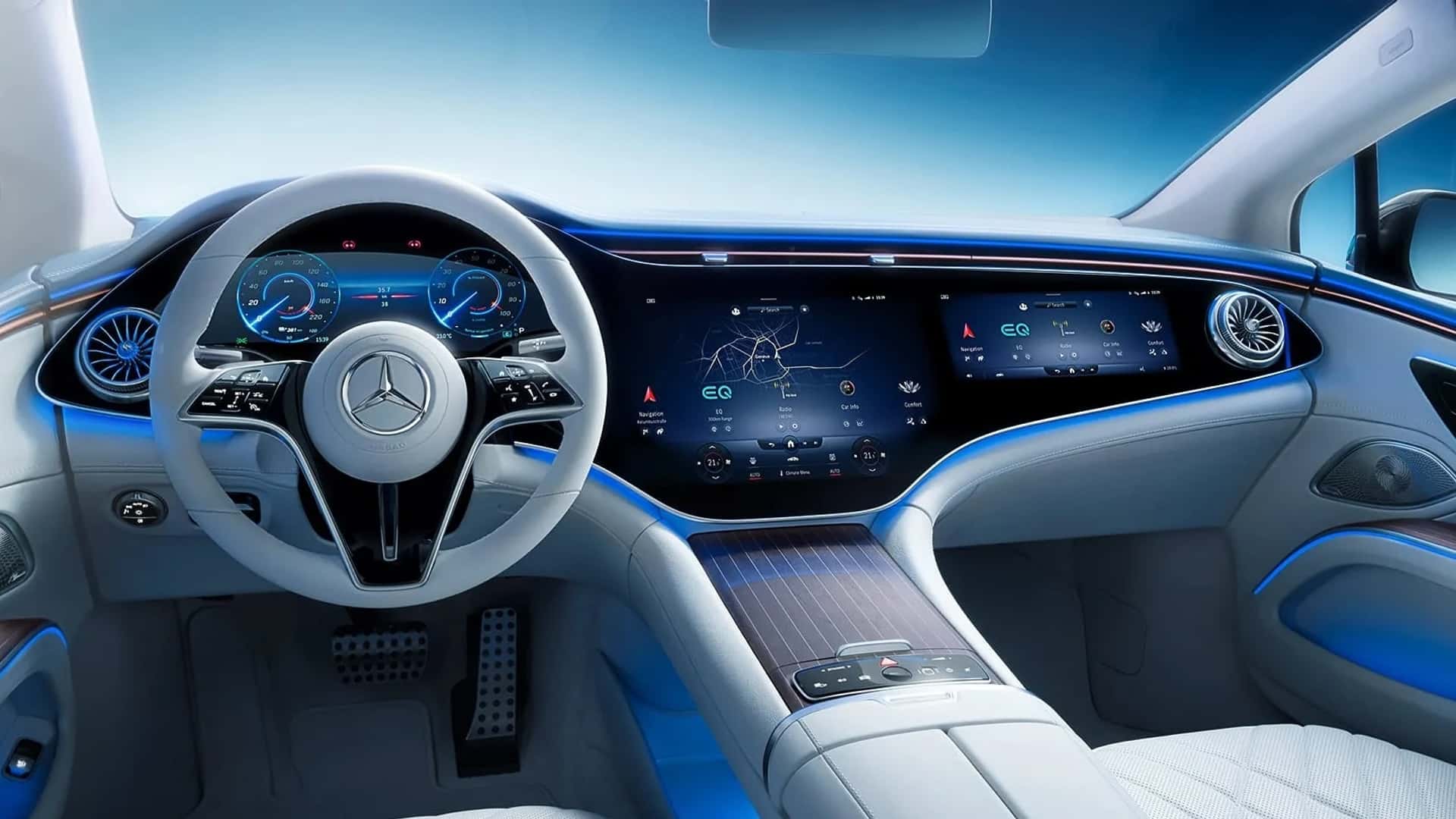
The CEO Says the Industry Overcorrected
Mercedes-Benz CEO Ola Källenius said the industry went 'a little bit too far' toward digital controls. He admitted the company itself pushed the trend further than most, with the MBUX Hyperscreen — a single glass panel over four and a half feet wide — replacing nearly every tactile switch. He acknowledged losing focus during that transition. The screens are not going away: the 2028 GLA will still feature a wall of screens. But Källenius promised, 'From now on, you will see us reintroduce the most sensible buttons.'
Why the Touchscreen Experiment Failed
Drivers shifting from a car with a volume knob to one with a slider buried inside a menu had to relearn a system while keeping their eyes on the road. Passengers — who did not spend days learning the UI — are left to ask for instructions rather than just adjusting the fan speed. Voice controls were meant to solve that, but they remain awkward. A driver can't pause a conversation to tell the car to raise the temperature by two degrees. Källenius says the company is still improving its voice recognition systems, but even a perfectly working voice assistant doesn't help the person in the passenger seat who doesn't know the right phrases. A dial, by contrast, requires no instruction. The frustration of fumbling through menus for basic adjustments is why safety regulators now penalize cars that omit physical controls, and why automakers like Volkswagen, Hyundai, and Porsche are backtracking to more tactile interfaces.
Other Automakers Are Walking the Same Path
Mercedes is not alone in the retreat. Volkswagen, Hyundai, and Porsche are all pulling back from full-screen interfaces and restoring manual controls to their vehicles. The shift is a response to years of criticism from owners who found the digital cabins frustrating to operate while driving.
Scout Motors has gone furthest in the opposite direction, building an entire brand around the retro aesthetic — complete with generous arrays of physical switches and knobs. The German brands moved first toward screens, and now they're following each other back to buttons.
The trend is also being enforced from outside the showroom. The European New Car Assessment Programme, which operates the NCAP safety rating system, is now penalizing automakers that strip out physical controls for essential functions. If a vehicle buries the hazard lights or climate controls inside a touchscreen menu, it loses points in the safety evaluation.
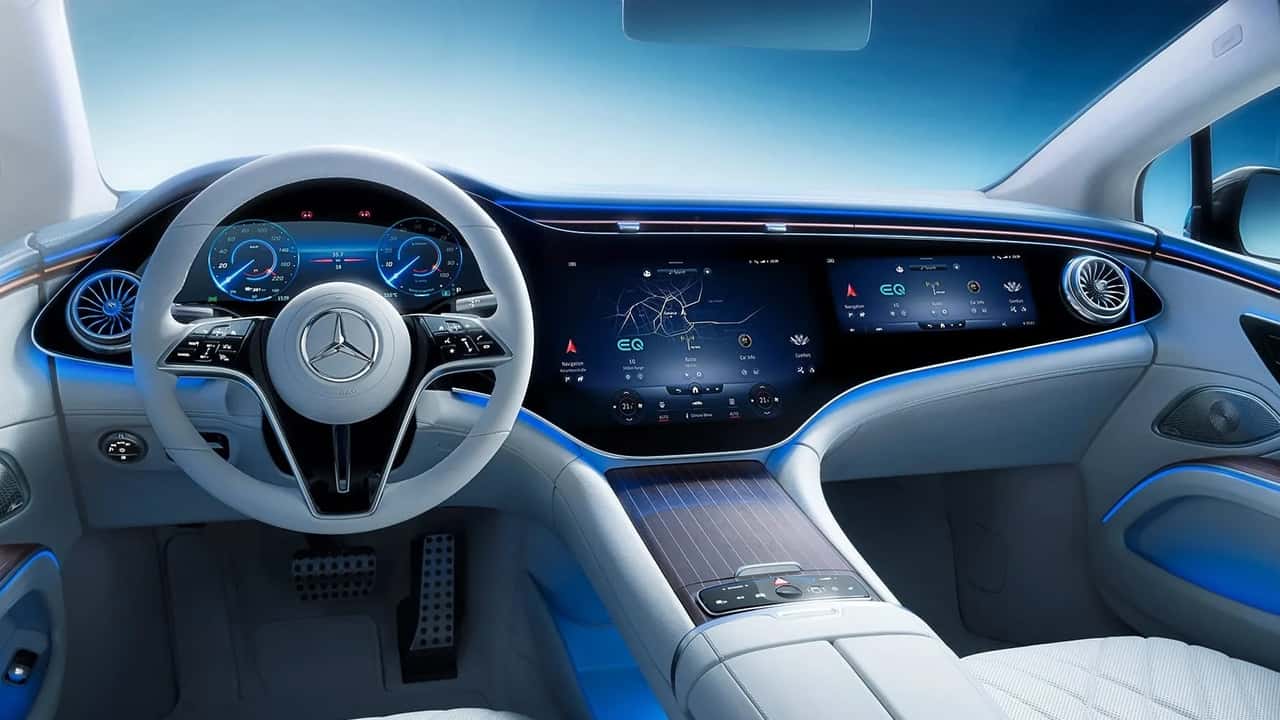
The Path Forward in a Screen-Centric Industry
The company's near-term solution is to pair its digital interface with physical controls where they matter most. Other manufacturers are taking the same path — Scout Motors is building a brand around a retro cabin with a generous assortment of buttons and switches. At the same time, Mercedes continues to refine its voice control system, aiming to handle tasks that are less suited to buttons. The challenge for designers is determining which functions deserve tactile switches and which are better managed through menus—a balance the company is now actively recalibrating.