The Next Affordable Sports Car May Win With Shape Before Speed
From the MG Cyberster to the Chrysler 300C SRT8, the strongest attainable performance cars prove that design, engineering and price still belong in the same conversation.
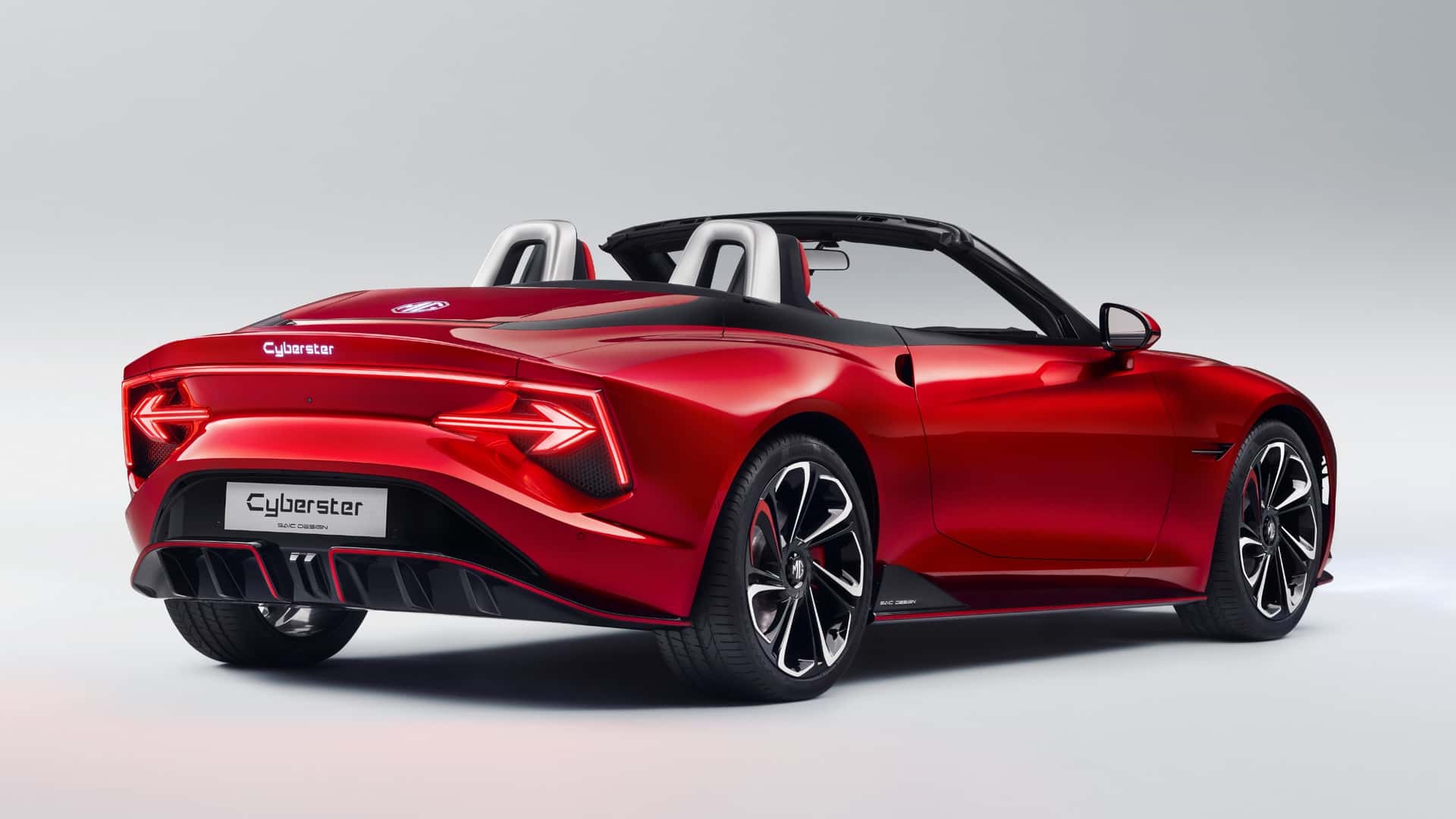
A Sports Car Has to Look the Part
A sports car makes its case before the engine starts. The long hood, low roof, compact cabin and wheels pushed toward the corners signal a different set of priorities from the tall, broad proportions of an SUV. Those choices also have mechanical consequences: a lower center of gravity, reduced frontal area and a body shaped to manage airflow.
The MG Cyberster applies that formula to an electric roadster. Its battery pack makes it neither especially small nor especially light, yet the low-slung, open-top body keeps the car visually tied to the traditional sports-car idea. MG reinforced that direction with the Cyber GTS Concept, revealed at Goodwood in 2026 as a preview of how the same attitude might translate into a coupe.
A power figure alone cannot create that impression. The Cyberster's stated 510 horsepower matters, but the surrounding design determines whether the number feels connected to the driving experience. A convincing sports car turns its proportions into a promise: less mass to disguise, less body to control and a seating position built around the road rather than cargo.
History Favors the Cars With a Clear Purpose
Economic pressure has repeatedly pushed sporty cars toward practicality. After the oil crisis of the 1970s, Fiat replaced the 128 Sport Coupe with the more versatile 128 3P, while Lancia added the Beta HPE alongside its Beta Coupe. Longer rear sections and hatchback access made the silhouette easier to justify without removing every trace of style.
The 1990s produced a sharper compromise. Opel's Tigra and Ford's Puma used ordinary hatchback foundations but lowered the roof, tightened the body and created cars that felt more distinctive than their mechanical relatives. The Opel Calibra, Ford Cougar and Fiat Coupe expanded the idea for buyers who wanted a genuine two-door identity without entering supercar territory.
Alfa Romeo understood the branding power of that approach decades earlier. The Giulietta Sprint arrived before the sedan in the 1950s, making the coupe a statement about the entire marque rather than a niche derivative. The lesson is practical as well as historical: a special shape can add value to familiar hardware, provided the chassis and driving position support the visual claim.
Small Dimensions Can Produce Big Character
Japan's kei-car rules demonstrate that strict limits do not dictate a single design outcome. The segment's tiny dimensions and engine restrictions created upright city cars that used space with exceptional efficiency, but the same boundaries also produced the Suzuki Cappuccino, Honda Beat, Autozam AZ-1 and Daihatsu Copen.
The Copen's arrival in Europe made the point especially clearly. Compact size did not force designers into a purely utilitarian shape; it left room for a small roadster with its own proportions, roofline and sense of occasion. The difference came from what the engineers and stylists chose to prioritize.
That approach could matter even more as electric drivetrains reshape affordable performance cars. A modest battery pack in a compact, low body would avoid some of the bulk associated with high-output electric vehicles. The resulting car would not need supercar acceleration to feel special. A snug cabin, clean surfacing, useful wheel placement and responsive controls could provide the character that a large power figure cannot supply by itself. The kei sports cars remain proof that constraints can sharpen an idea instead of erasing it.
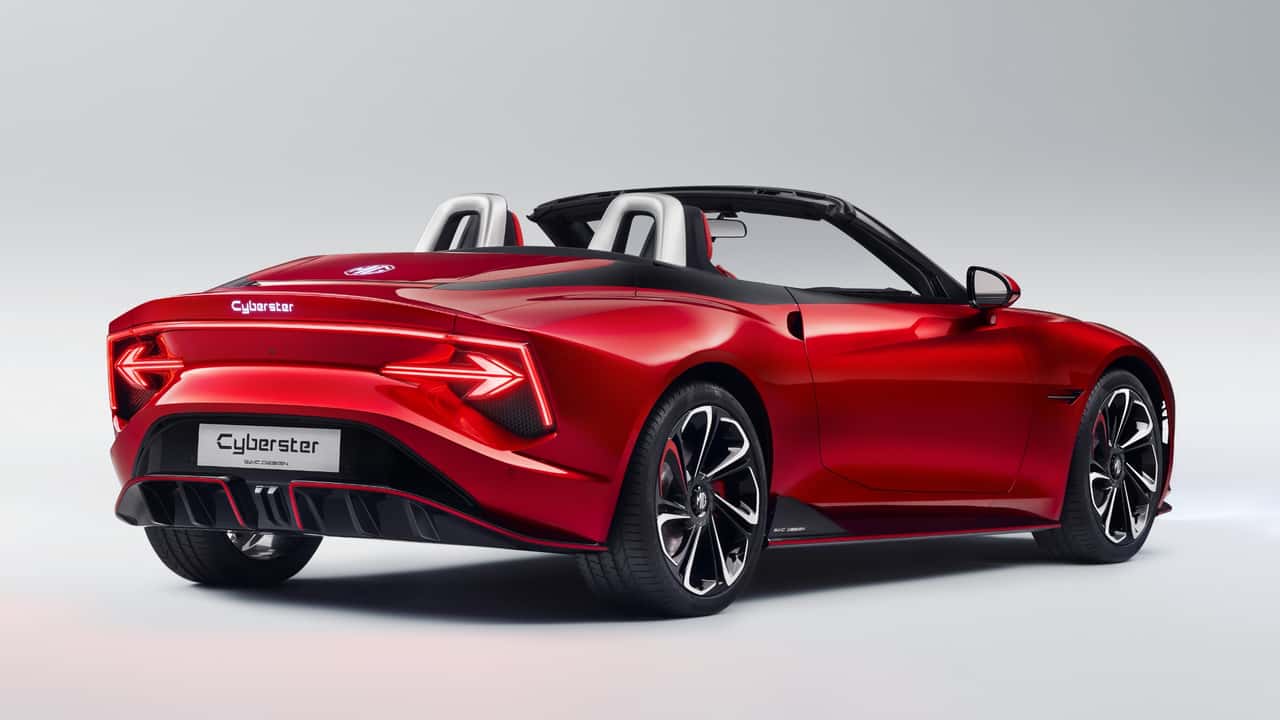
Design Keeps Affordable Sports Cars Relevant
Design gives an affordable sports car a purpose beyond its power figure. A low ride height, low center of gravity, compact cabin, and wheels pushed toward the corners can improve stability, aerodynamics, and driver engagement. The MG Cyberster shows how that idea can survive in an electric car: despite carrying substantial EV weight, its low-slung roadster shape makes its 510 horsepower feel credible without turning it into a supercar.
The Future Needs More Than Autonomous Pods
Two paths are emerging. Cars may become efficient autonomous pods for routine trips, or remain compact, human-centered machines built around driving. The latter could use modest battery packs, low aerodynamic bodies, wheels pushed to the corners, snug cabins, and uncluttered controls. The Honda Prelude represents a hybrid balance-focused approach, while the Toyota GR86 and Subaru BRZ continue the lightweight coupe formula.